| Item | Description |
|---|
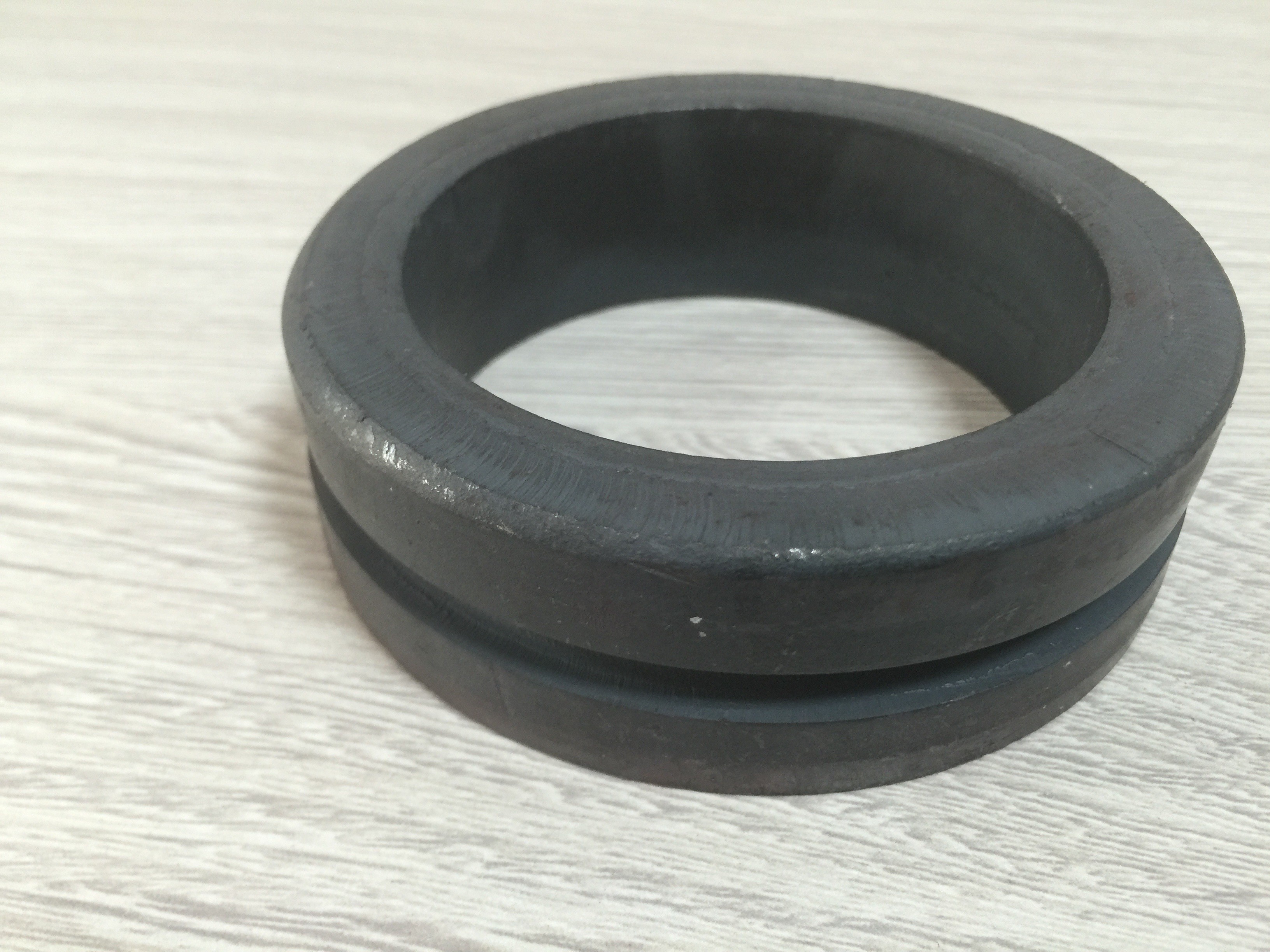
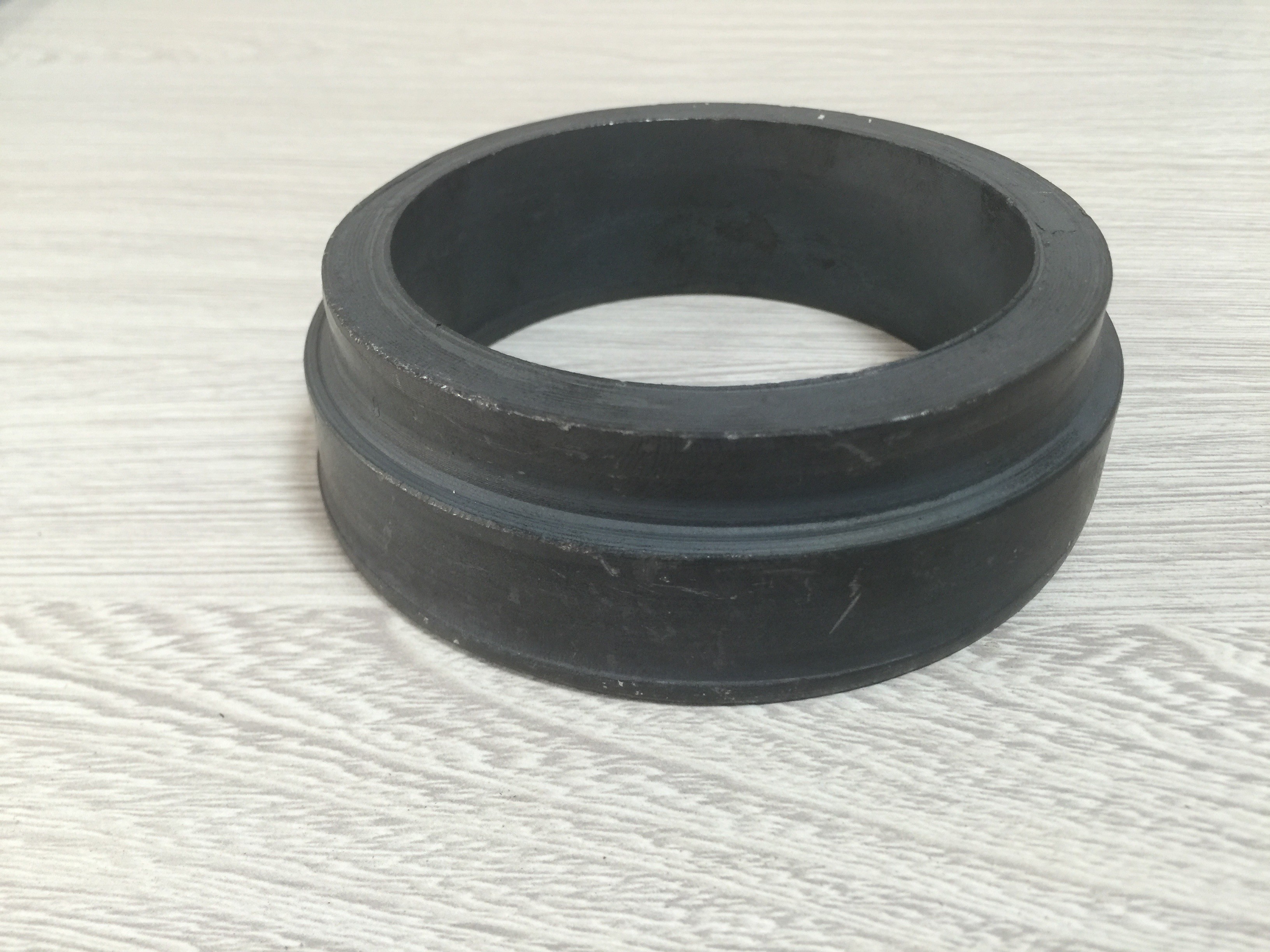
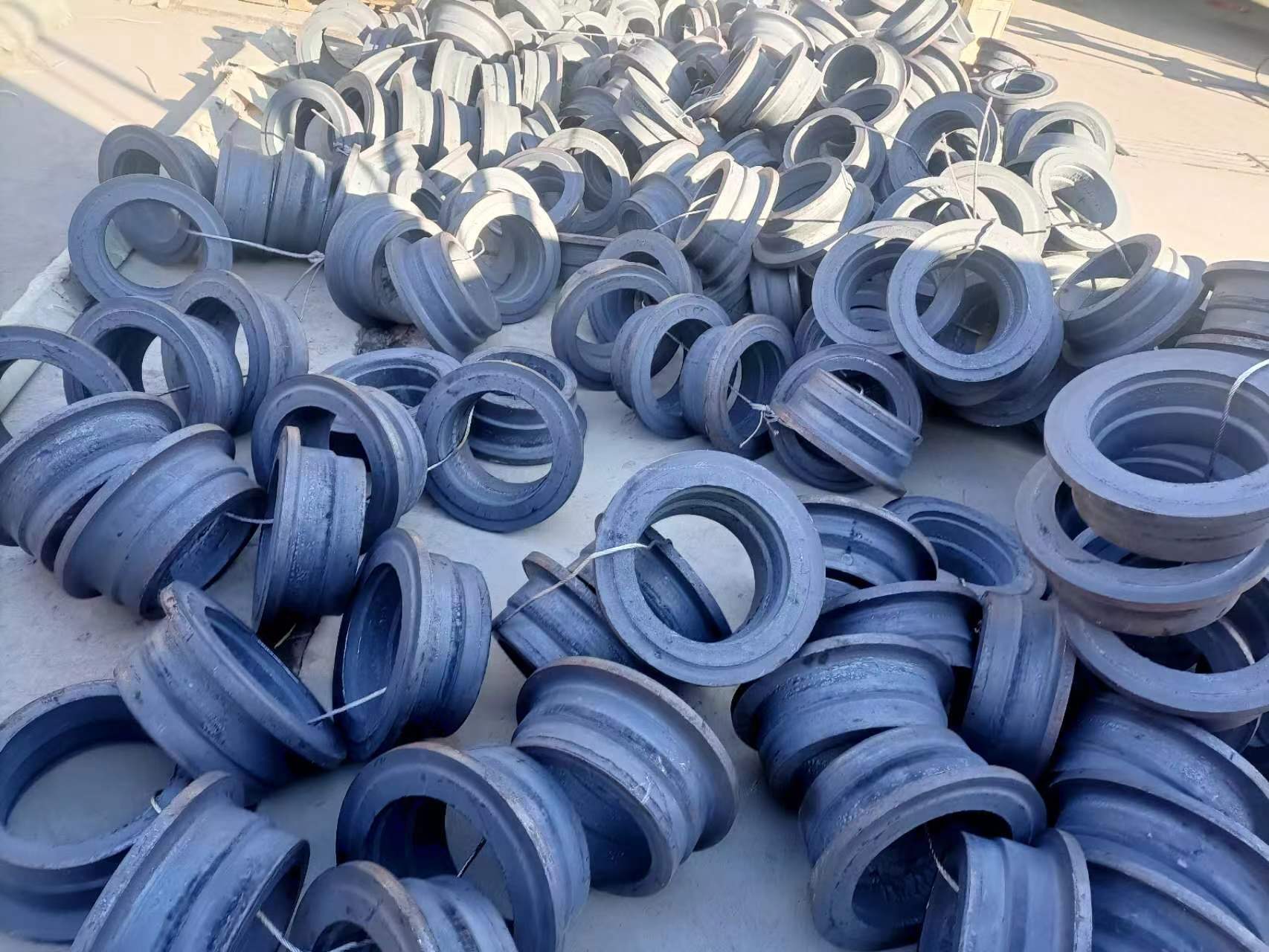
| Product Name | Ring forgings, rolled ring forgings, seamless rolled rings, annular forgings, ring blanks |
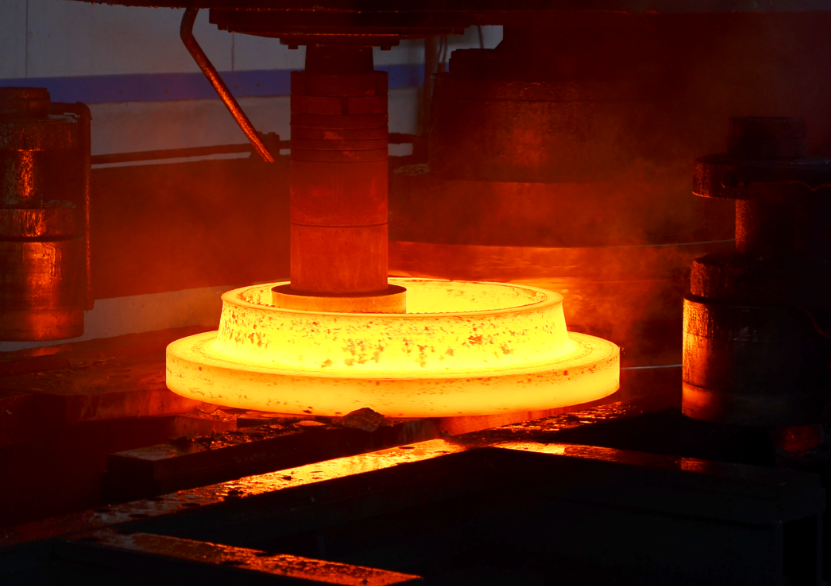
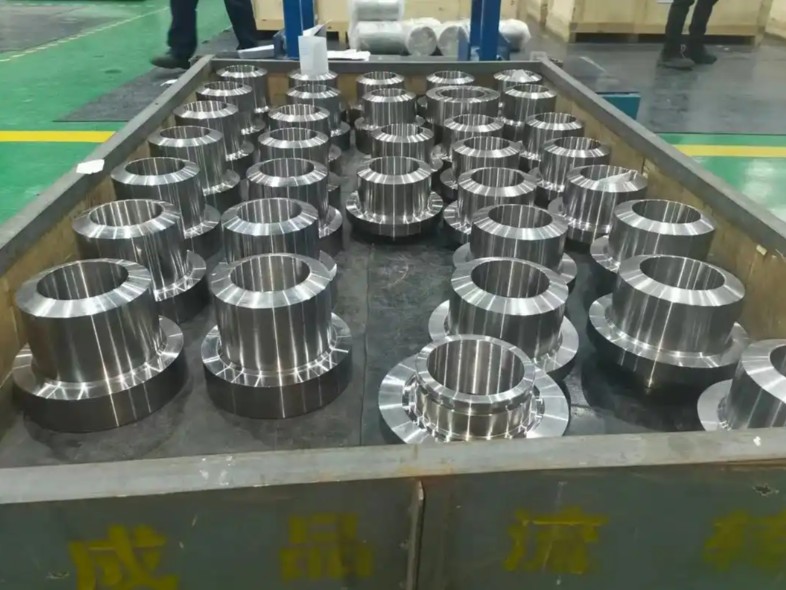
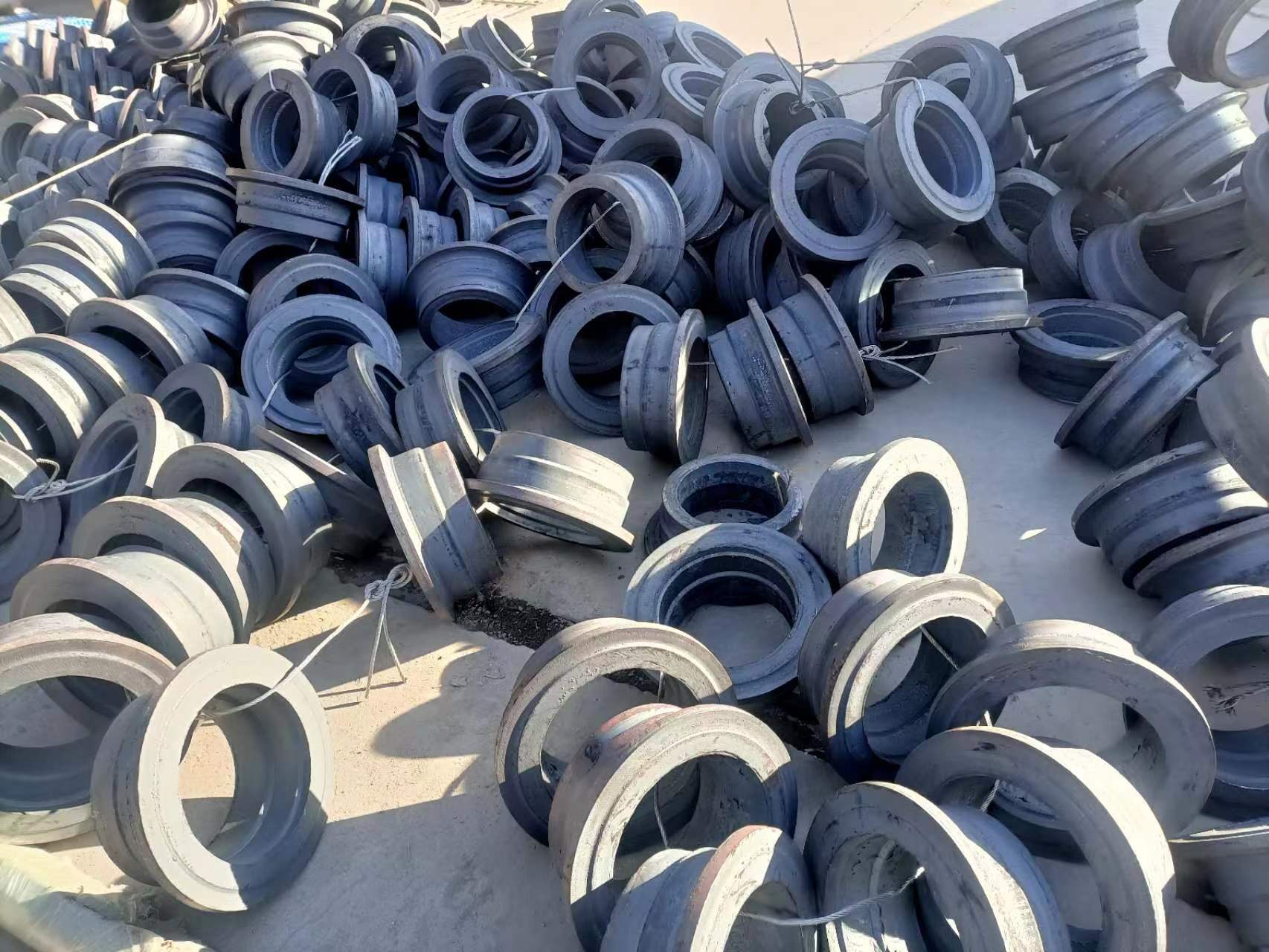
| Overview | Ring forgings are annular blanks formed by ring rolling (radial-axial rolling) or open-die forging with mandrel expansion. They feature continuous circumferential grain flow, dense internal structure, and excellent concentricity. Compared with cast rings or rings cut from plate, rolled ring forgings eliminate center porosity and segregation, offer high material utilization, and provide uniform mechanical properties in all directions. Widely used in slewing bearings, flanges, gear rings, bearing rings, wind power rings, pressure vessel flanges and more. |
| Common Materials | Carbon steel: 45#, Q235, Q345, 20#Alloy steel: 40Cr, 42CrMo, 35CrMo, 4140, 4340Stainless steel: 304, 304L, 316, 316L, 410, 420Special materials: 20Mn, 40Mn, 65Mn (spring steel rings), GCr15 (bearing steel) |
| Weight Range (per piece) | 5 kg – 2000 kg |
| Outer Diameter Range | 150 mm – 2500 mm |
| Inner Diameter Range | 80 mm – 2200 mm |
| Section Height | 30 mm – 500 mm |
| Main Product Forms | Slewing bearing rings (inner/outer), flange rings, gear ring blanks, bearing rings, tire mold rings, wind turbine yaw/pitch bearing rings, pressure vessel flange rings, construction machinery swing rings, sealing rings, spacer rings |
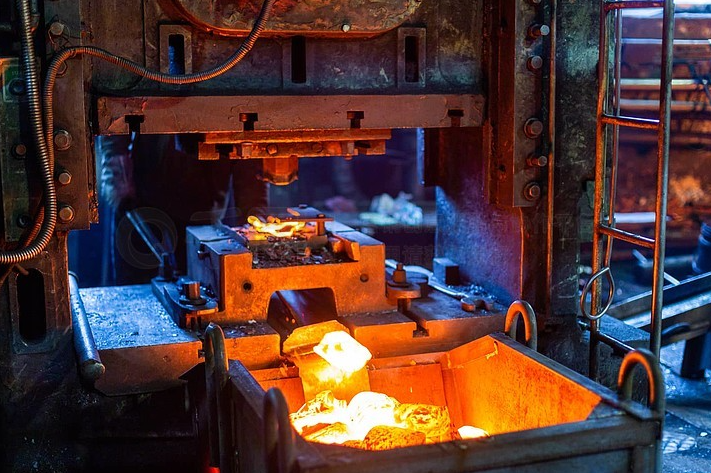
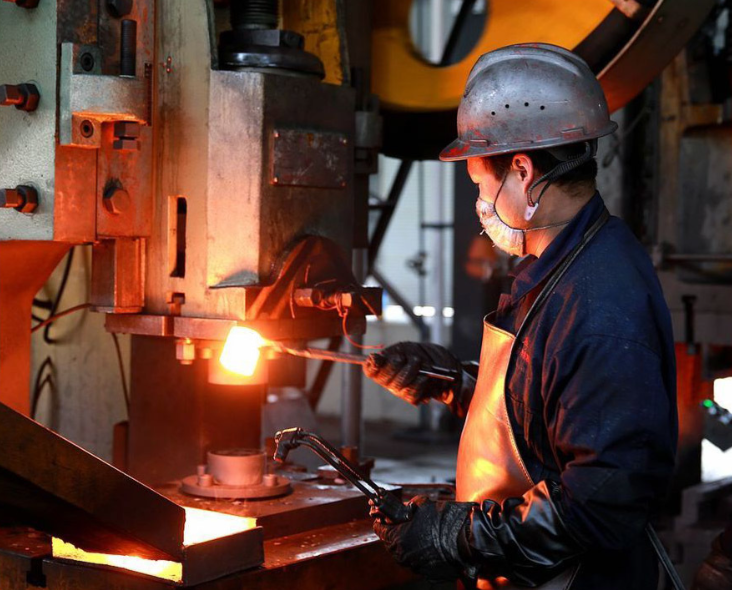
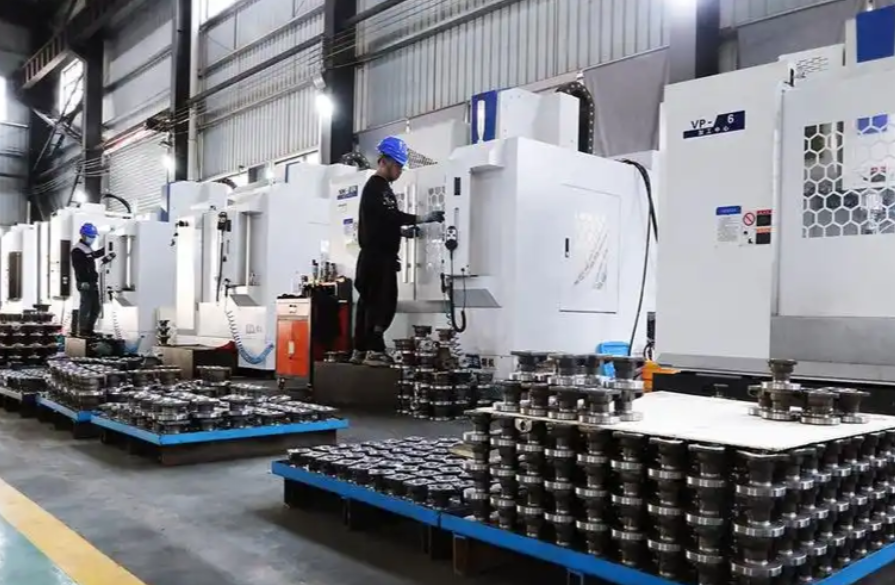
| Forging Process | Radial-axial ring rolling / Open-die forging + mandrel expanding / Closed-die forging (for small sizes) |
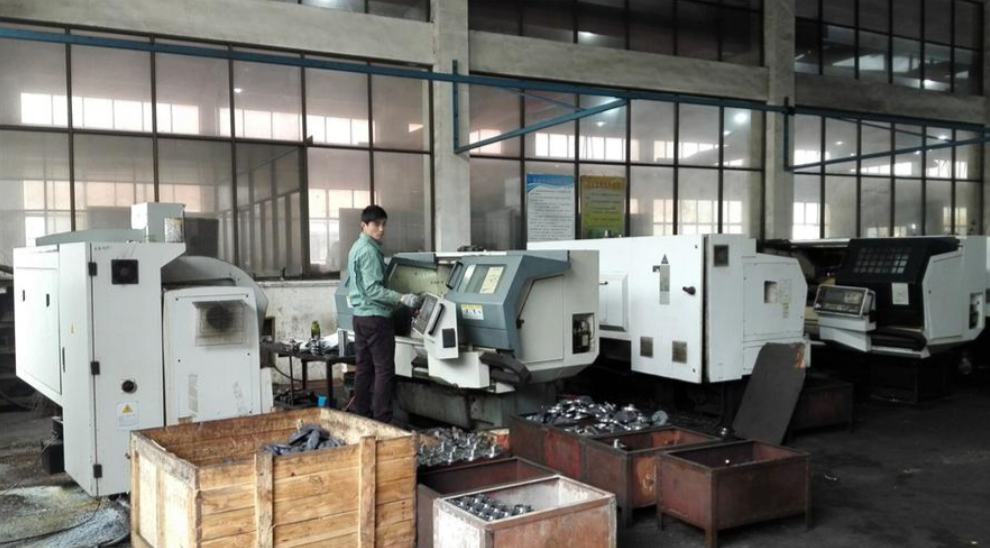
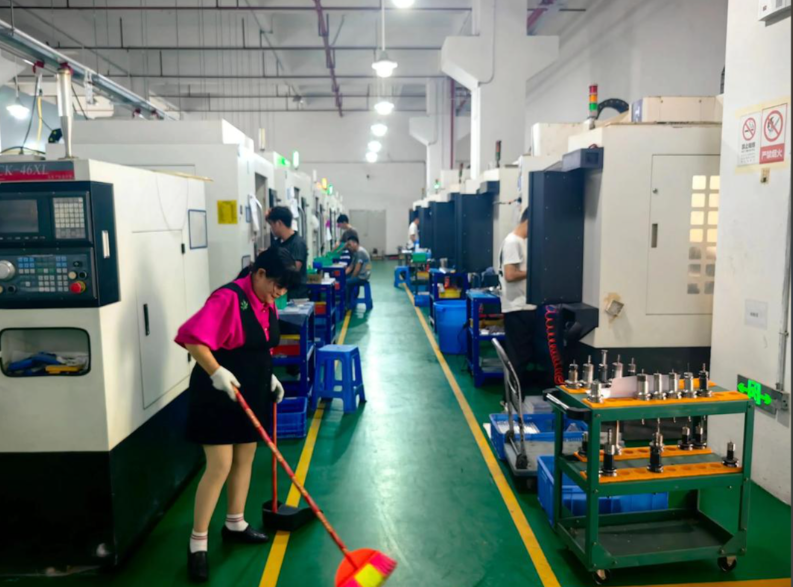
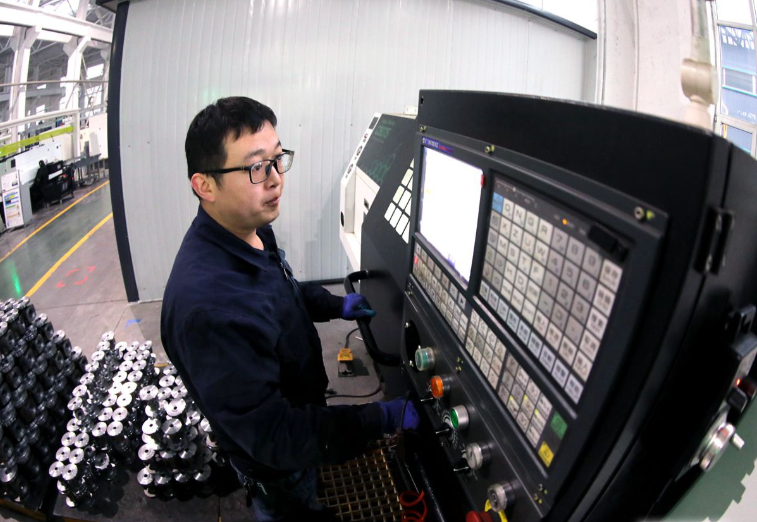
| Subsequent Operations (optional) | Normalizing / Annealing / Quenching & tempering / Carburizing & hardening / Induction hardening + rough turning / finish turning / grinding / gear cutting |
| Typical Applications | Slewing bearings (excavators, cranes, wind turbines), wind power flanges, large gear rings, bearing races, chemical pressure vessel flanges, oil pipeline flanges, tunnel boring machine (TBM) components, aerospace rings |
| Applicable Standards | GB/T 1220, GB/T 3077, ASTM A105, ASTM A182, ASTM A694, DIN 17240, EN 10222, or customer drawings |
| Key Advantages | 1. Ring rolling creates continuous circumferential grain flow – no interruption, excellent fatigue and impact resistance2. Dense internal structure – meets ultrasonic testing requirements (GB/T 6402 or SEP 1921)3. Good concentricity – high coaxiality reduces subsequent turning allowance4. Material utilization up to 80%-90% – much higher than open-die forging or plate cutting5. Wide size range – max OD up to 2500mm, max single weight 2 tons6. Machining allowance and test allowance can be reserved as per drawing7. Various cross-sectional shapes available (rectangular, profiled, stepped rings) |