| Item | Description |
|---|
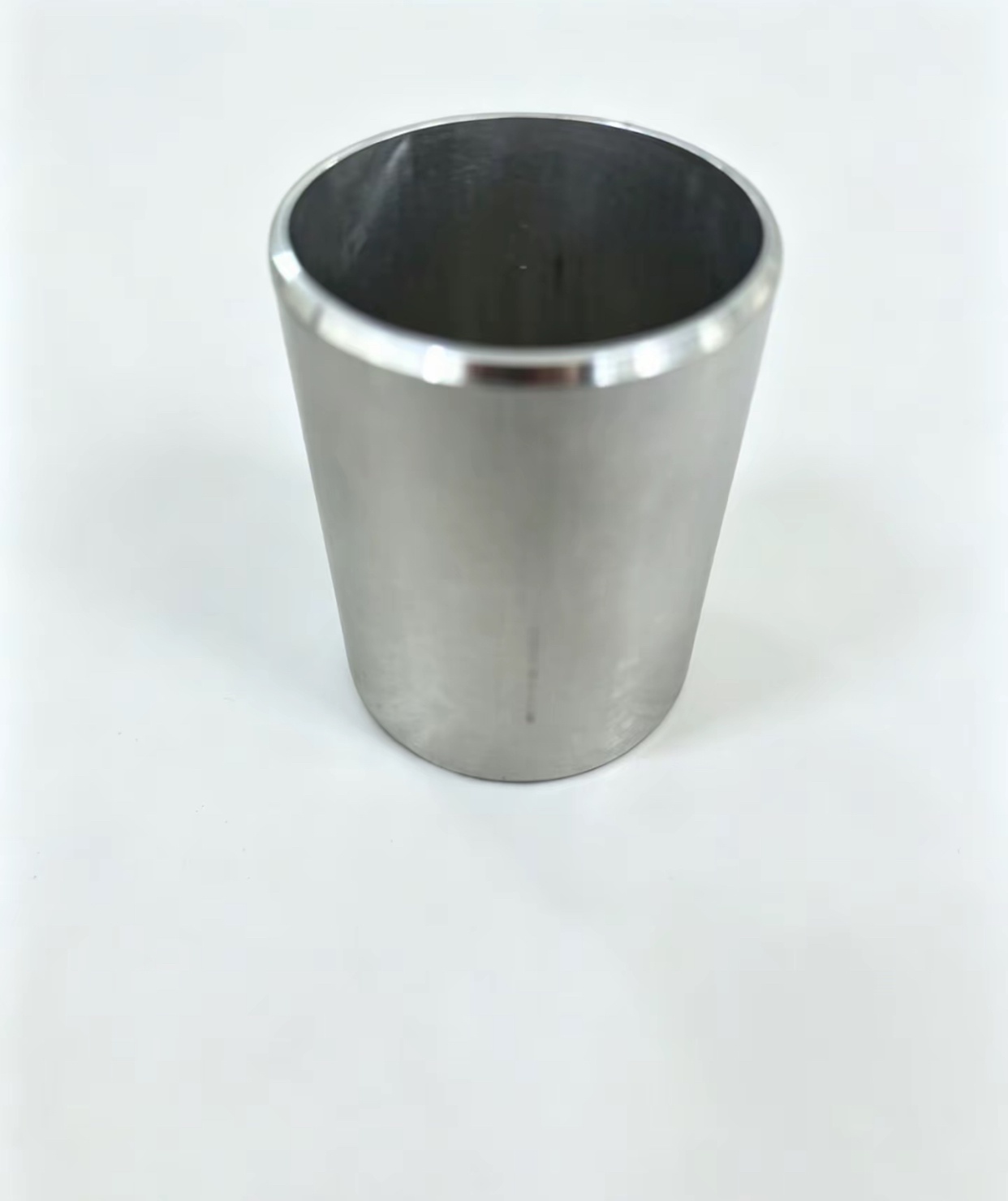
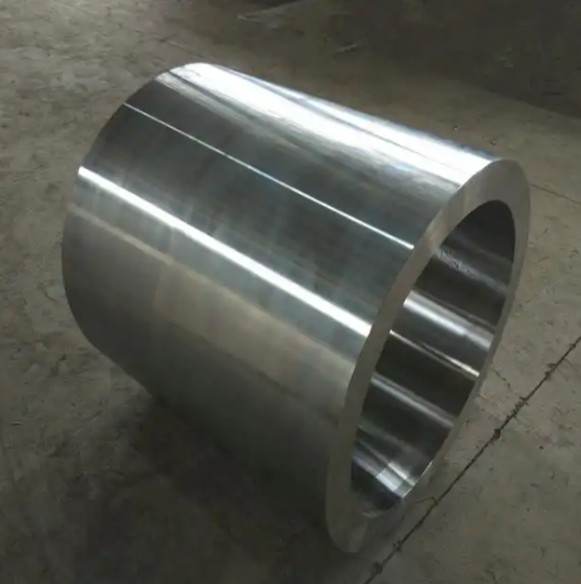
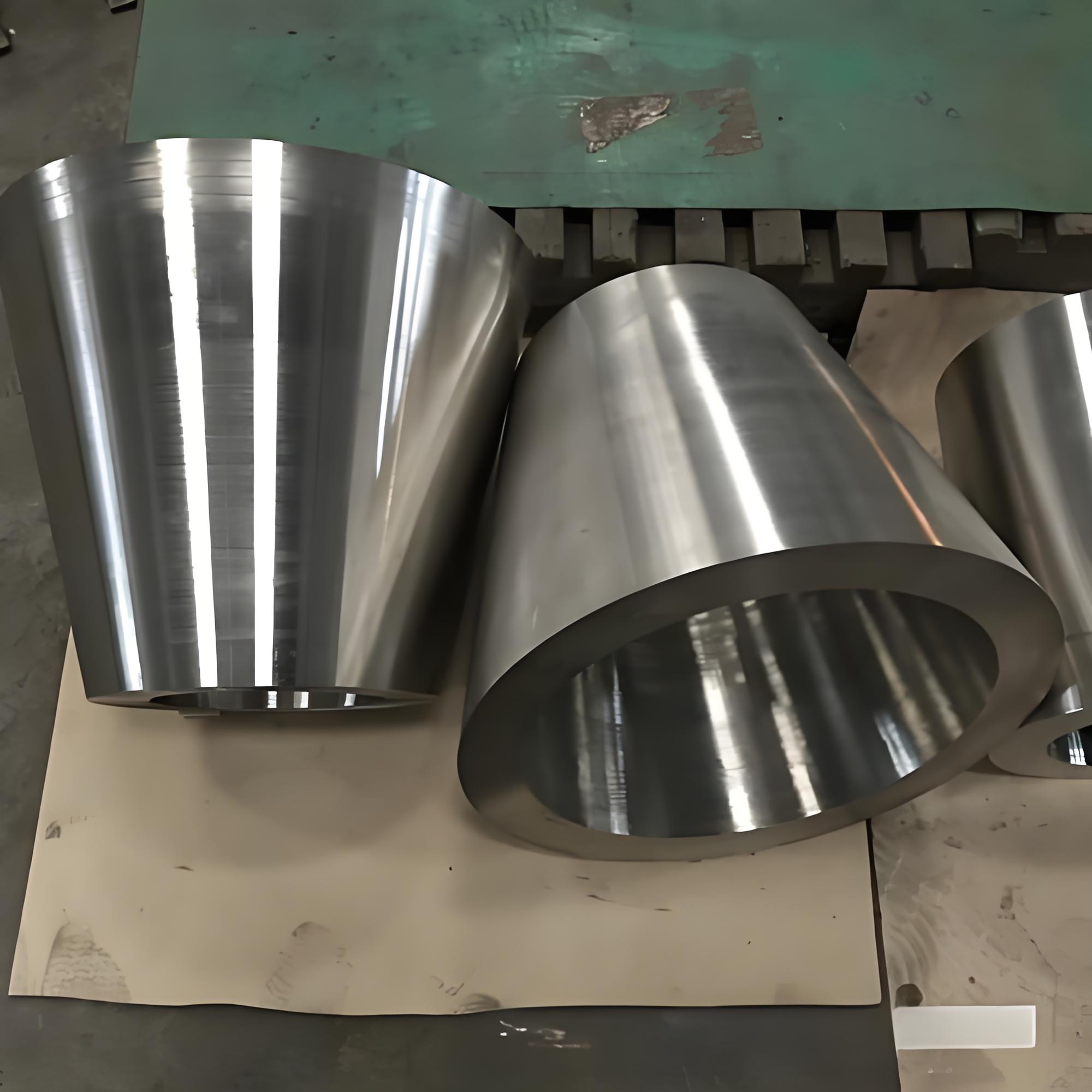
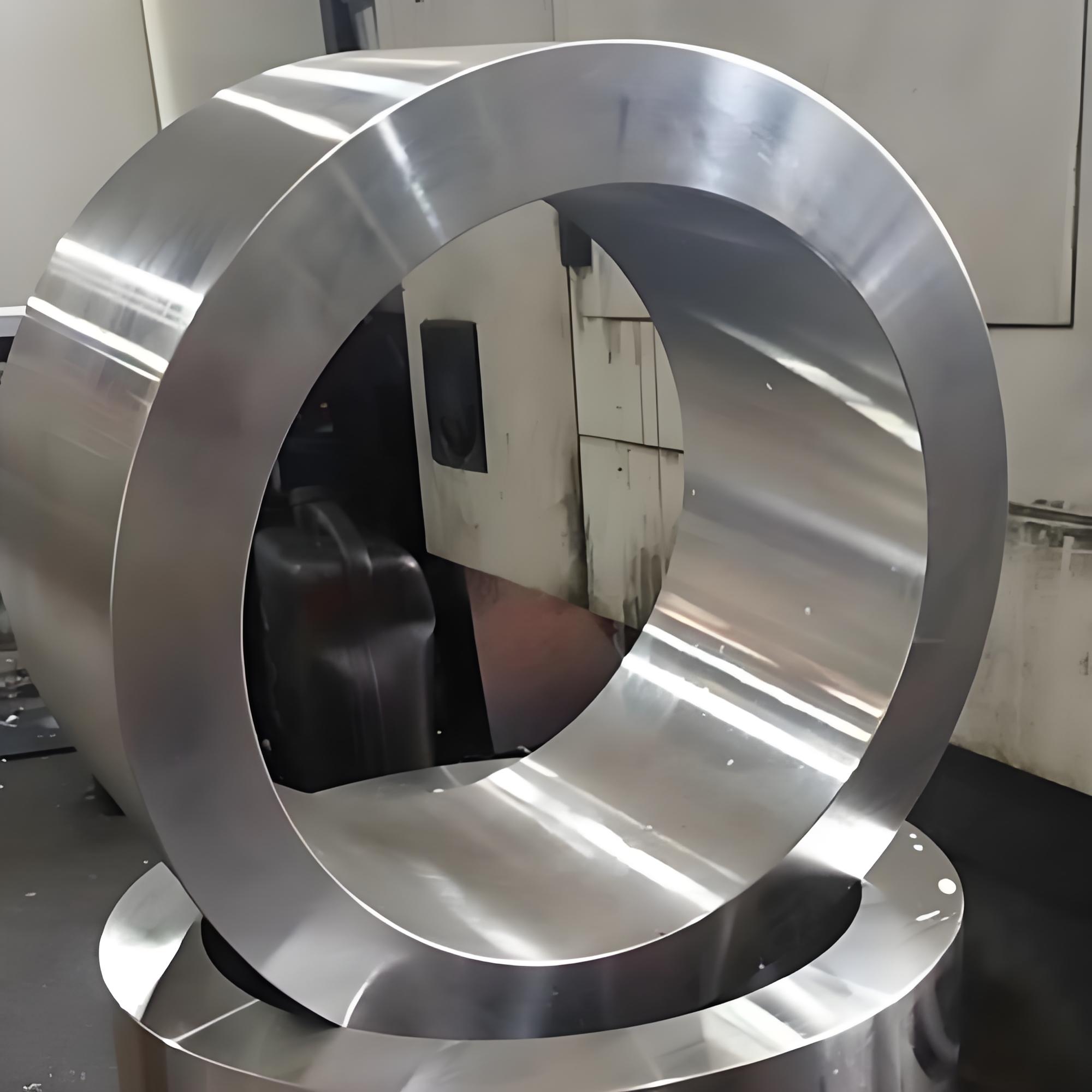
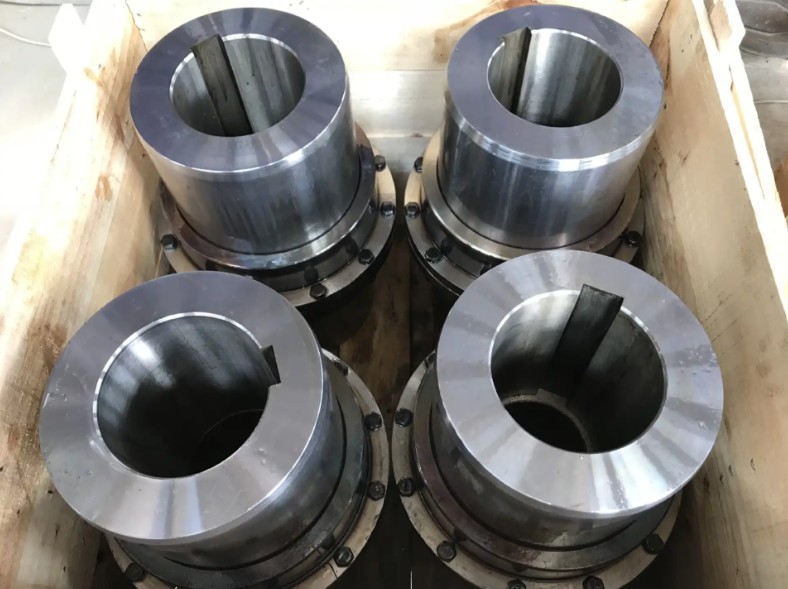
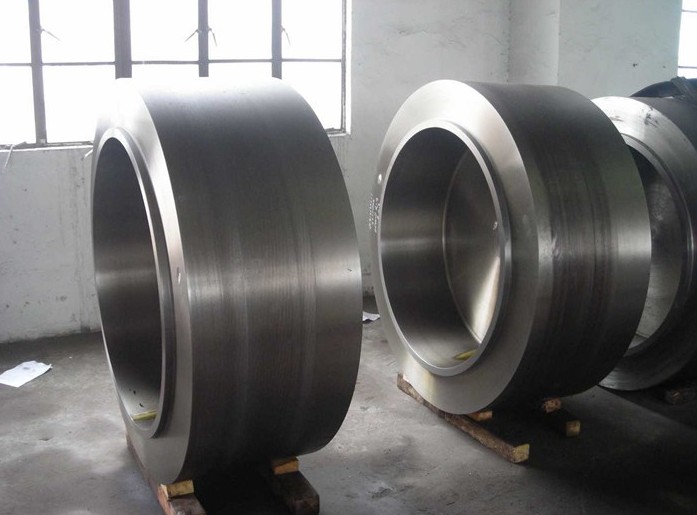
| Product Name | Cylindrical forgings, round forgings, shaft blanks, bar forgings, column forgings |
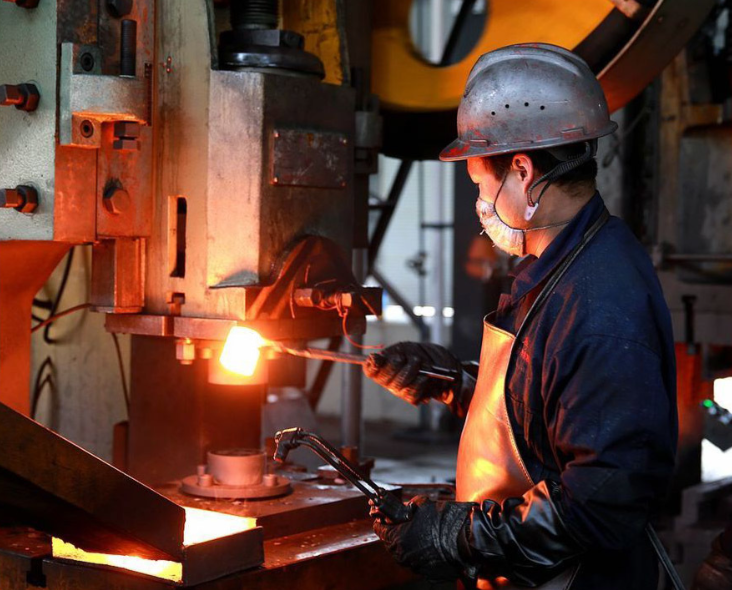
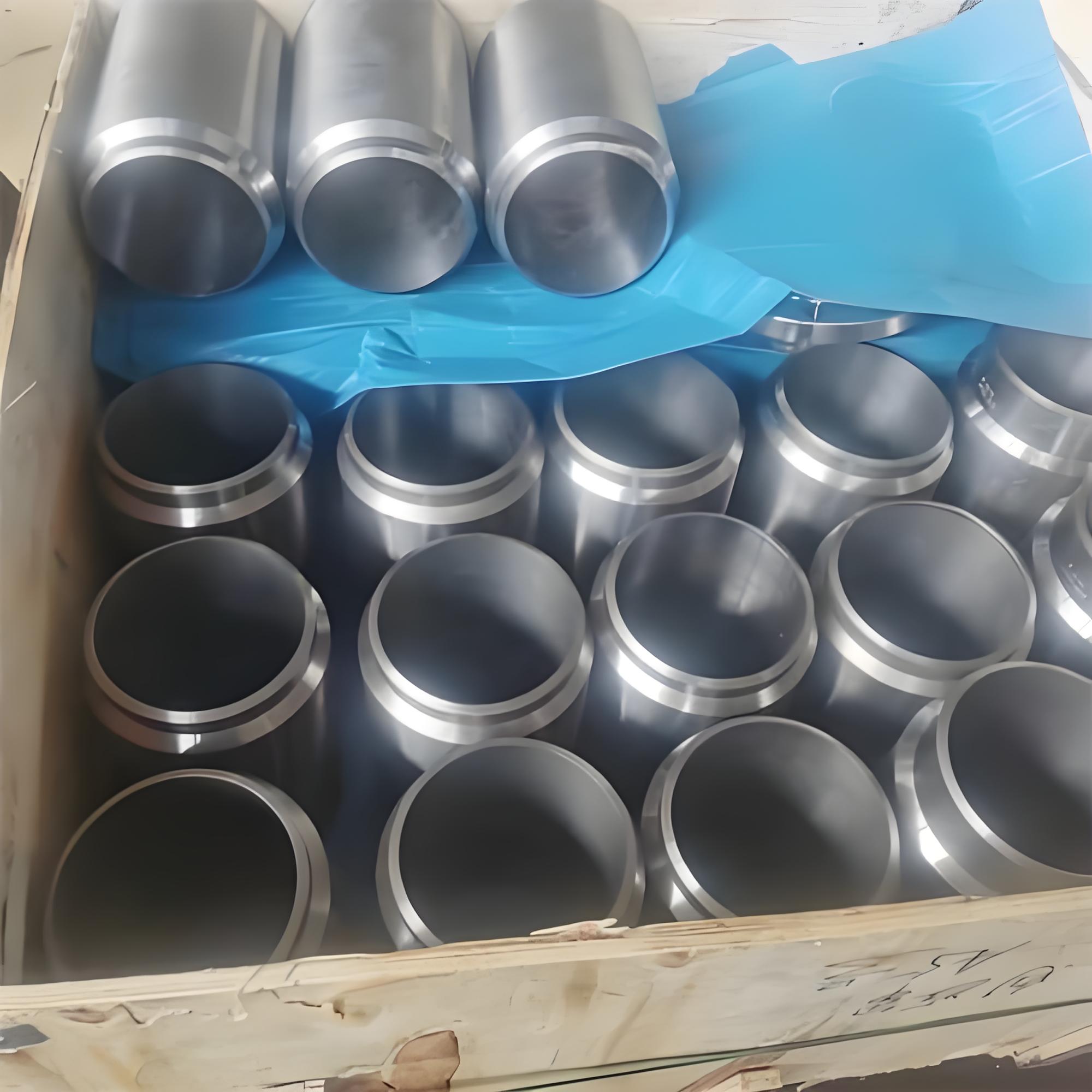
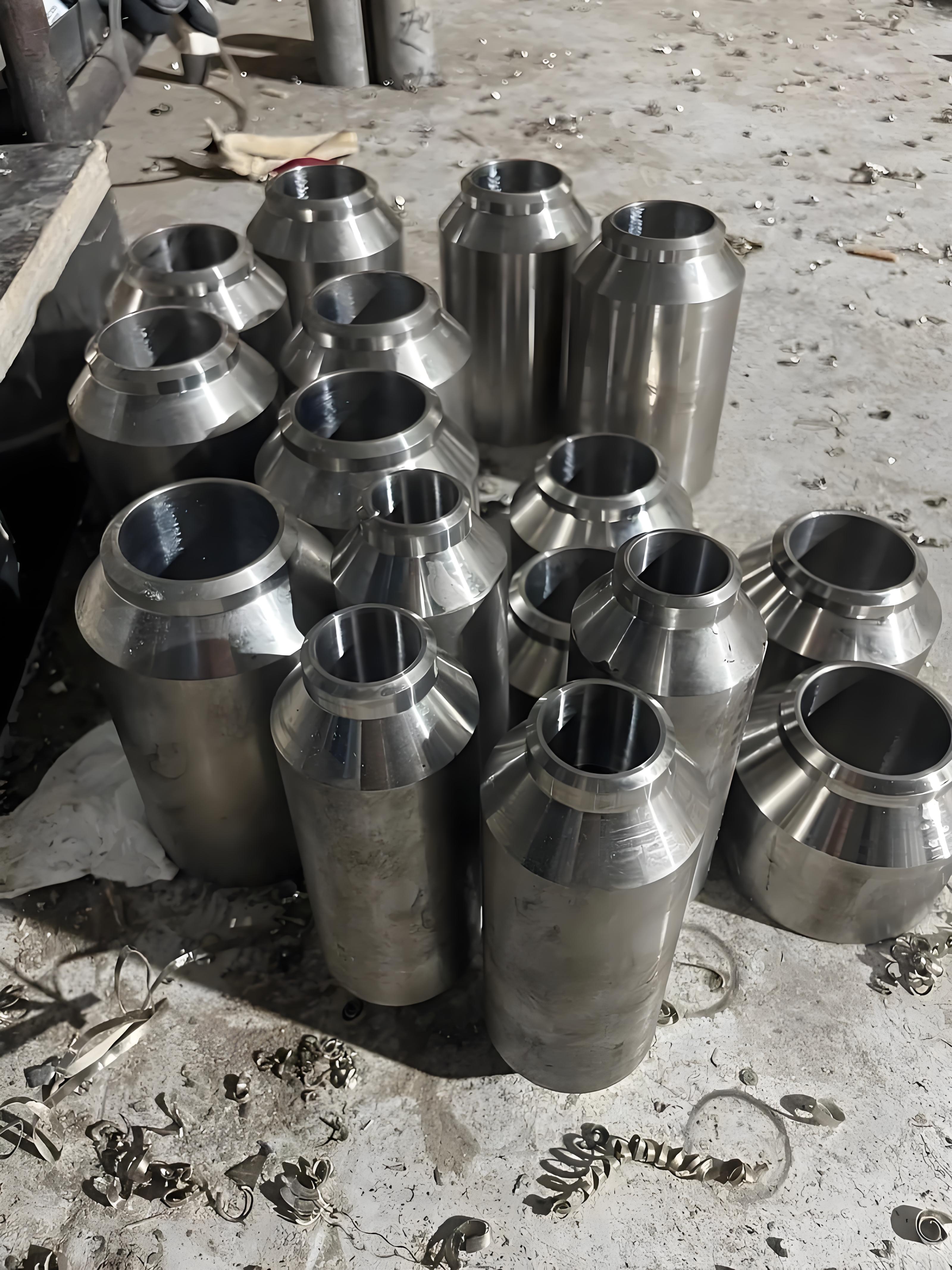
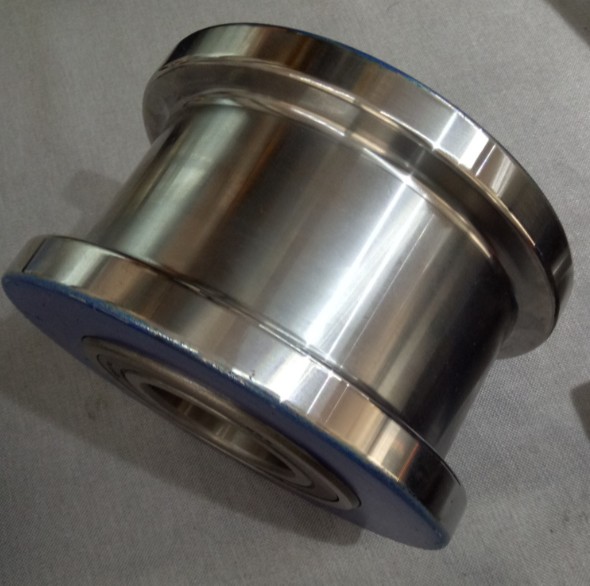
| Overview | Cylindrical forgings are solid or hollow products with round or near-round cross-section, formed by open-die forging, closed-die forging or rolling processes. Forging eliminates casting defects such as porosity and shrinkage, creating axial grain flow and superior longitudinal mechanical properties. These forgings offer high strength, good toughness, excellent fatigue resistance and high ultrasonic testing acceptance rates. They are ideal blanks for rotating shafts, piston rods, plungers, tie rods, hydraulic cylinders and many other applications. |
| Common Materials | Carbon steel: 20#, 35#, 45#, Q235, Q345 Alloy steel: 40Cr, 42CrMo, 35CrMo, 40CrNiMo, 20CrMnTi Stainless steel: 304, 316, 410, 420, 431 Tool steel / Die steel: H13, Cr12MoV, 5CrMnMo Special materials: 20Mn, GCr15 (bearing steel), 38CrMoAl (nitriding steel) |
| Weight Range (per piece) | 0.5 kg – 3000 kg |
| Diameter Range | 20 mm – 600 mm |
| Length Range | 50 mm – 4000 mm (longer lengths achievable by step forging) |
| Length-to-Diameter Ratio (L/D) | Up to 8:1 (open-die forging) / higher with stepped design |
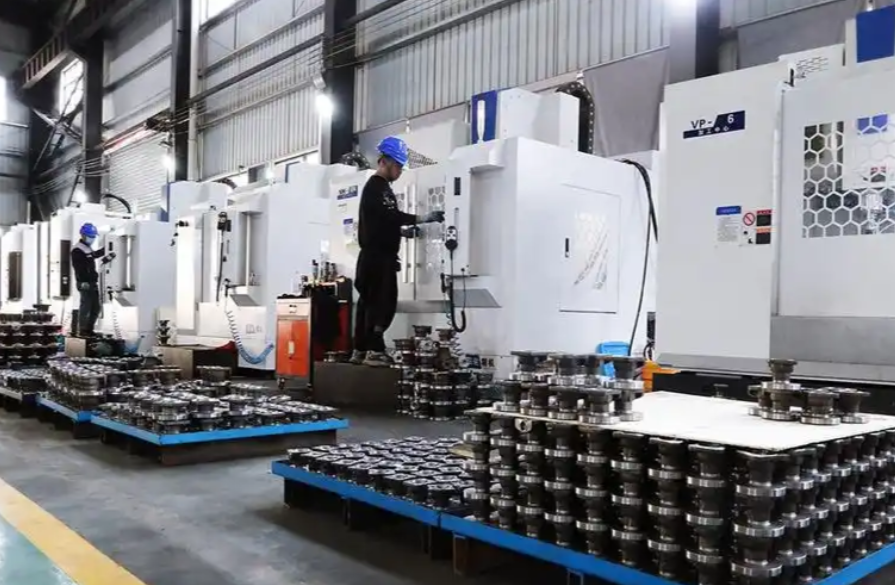
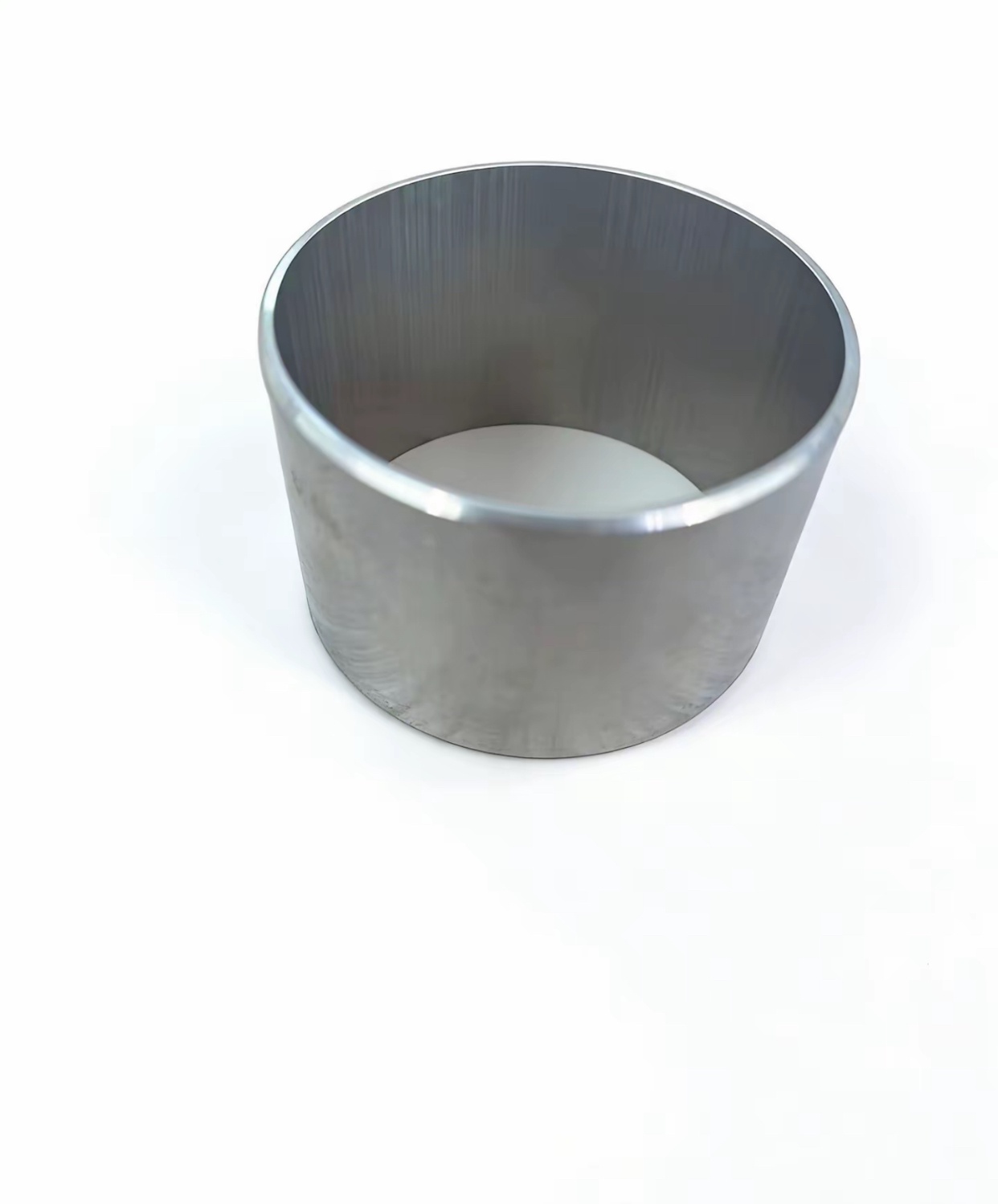
| Main Product Forms | Solid cylindrical forgings, hollow cylindrical forgings (tube/sleeve), stepped shaft blanks, piston rod blanks, hydraulic plungers, tie rods, screw forgings, columns, long bars |
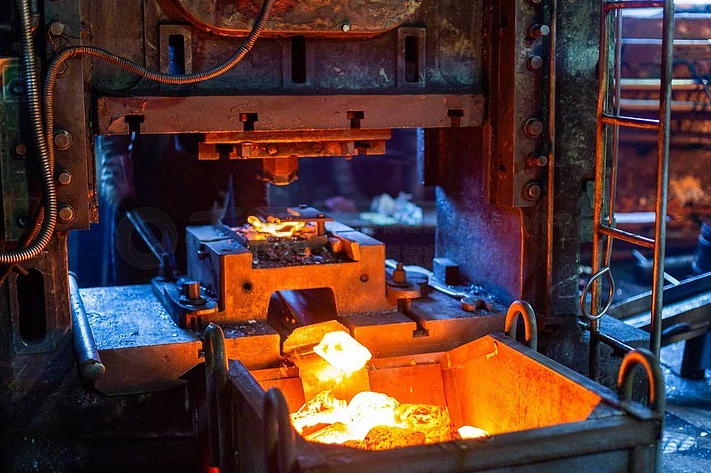
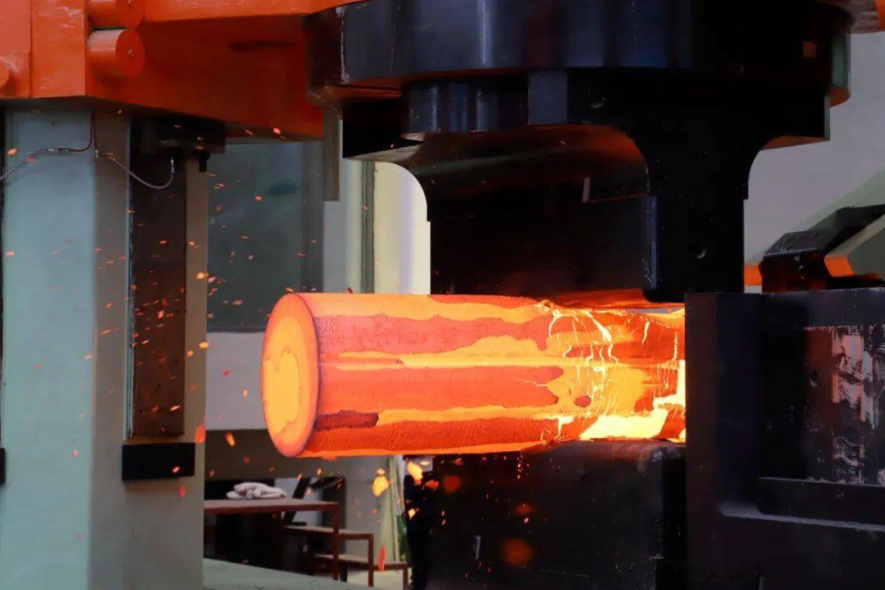
| Forging Process | Open-die forging (drawing out) / Closed-die forging / Cross wedge rolling / Precision forging machine |
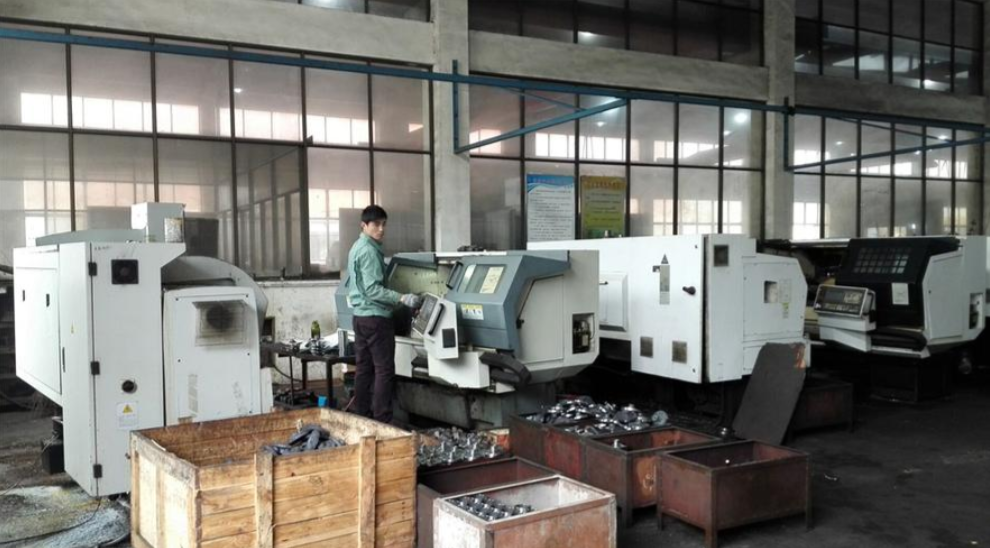
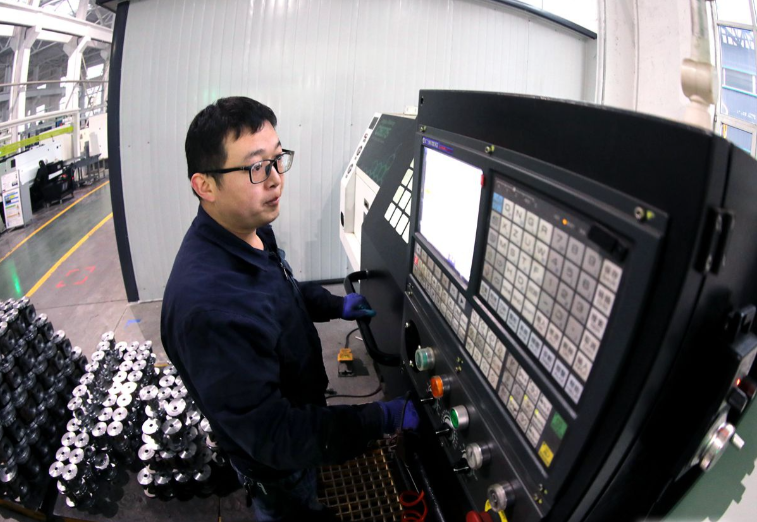
| Subsequent Operations (optional) | Normalizing / Annealing / Quenching & tempering / Carburizing & hardening / Nitriding / Induction hardening + rough turning / finish turning / grinding / drilling |
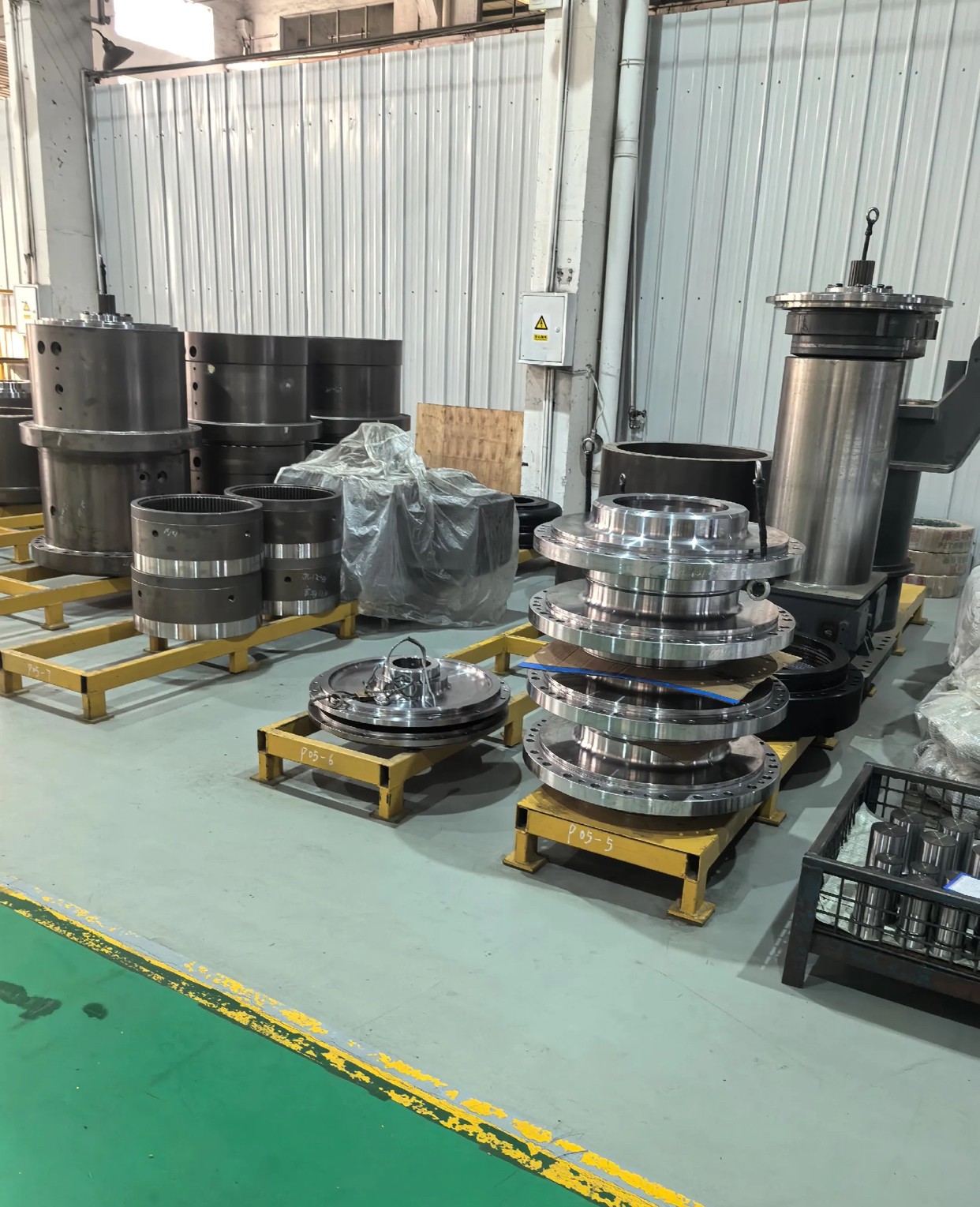
| Typical Applications | Hydraulic cylinder piston rods, construction machinery shafts, marine rudder stocks/tail shafts, motor rotor shafts, compressor crankshafts, mining machinery pins, mold guide posts, press columns, oil drilling tools, wind turbine main shafts |
| Applicable Standards | GB/T 699, GB/T 3077, ASTM A105, ASTM A182, ASTM A668, DIN 17200, EN 10083, or customer drawings |
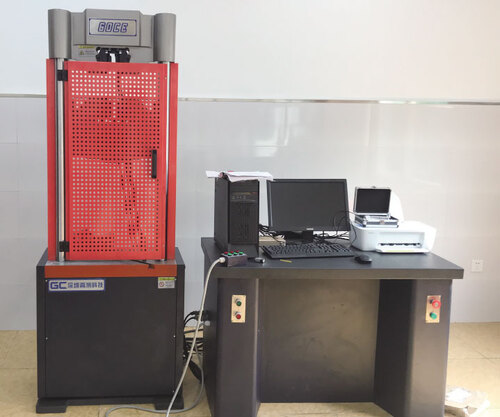
| Key Advantages | 1. Axial grain flow – longitudinal mechanical properties far superior to castings or hot-rolled bars 2. Dense internal structure – ultrasonic testing meets GB/T 6402 Level 2 or higher (customer requirements accepted) 3. Various heat treatment options – achieving different hardness and toughness combinations 4. Good surface quality – small machining allowance 5. Customizable for stepped or variable cross-sections 6. Hollow cylindrical forgings available – weight reduction with retained strength 7. Traceable material – material certificates and test reports provided |