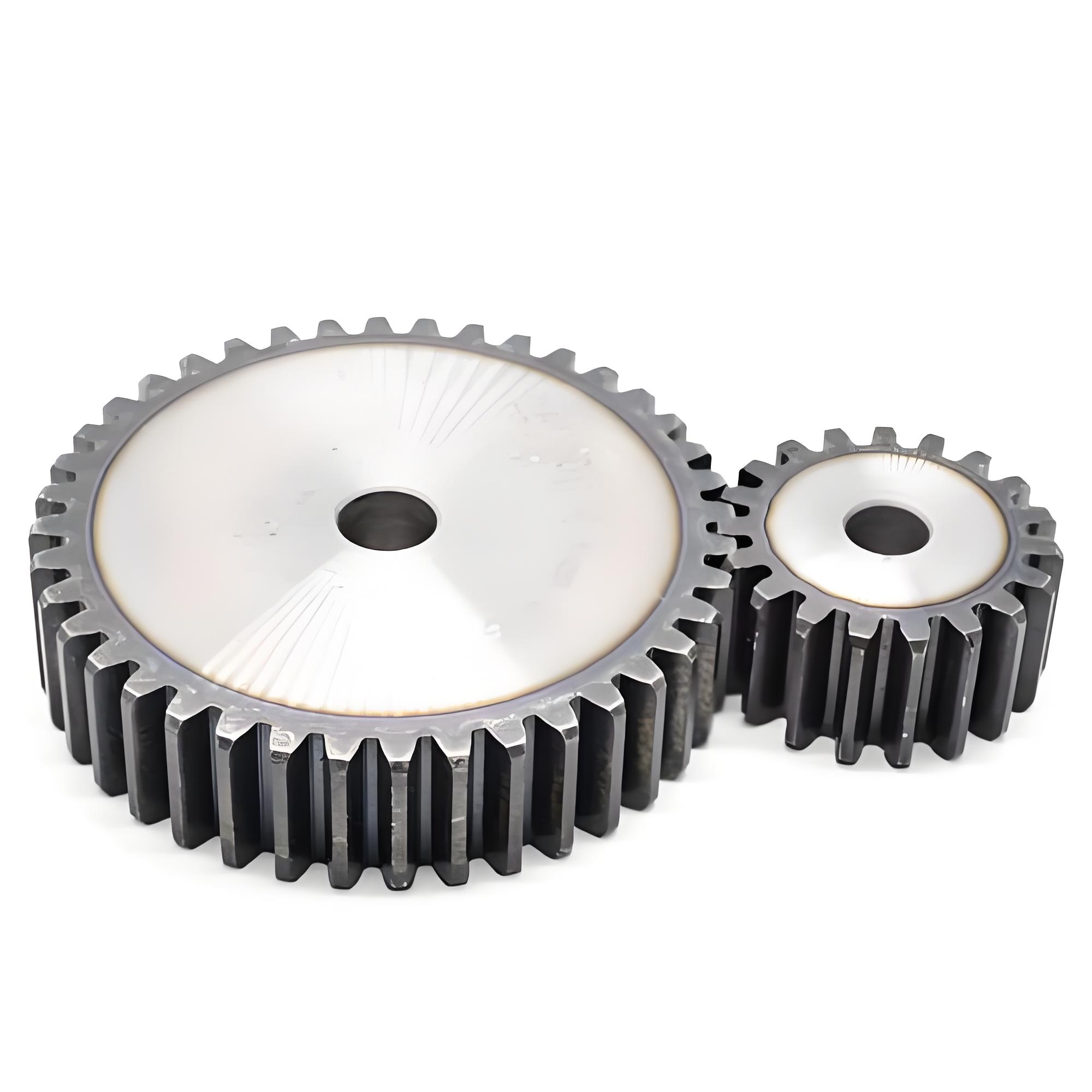
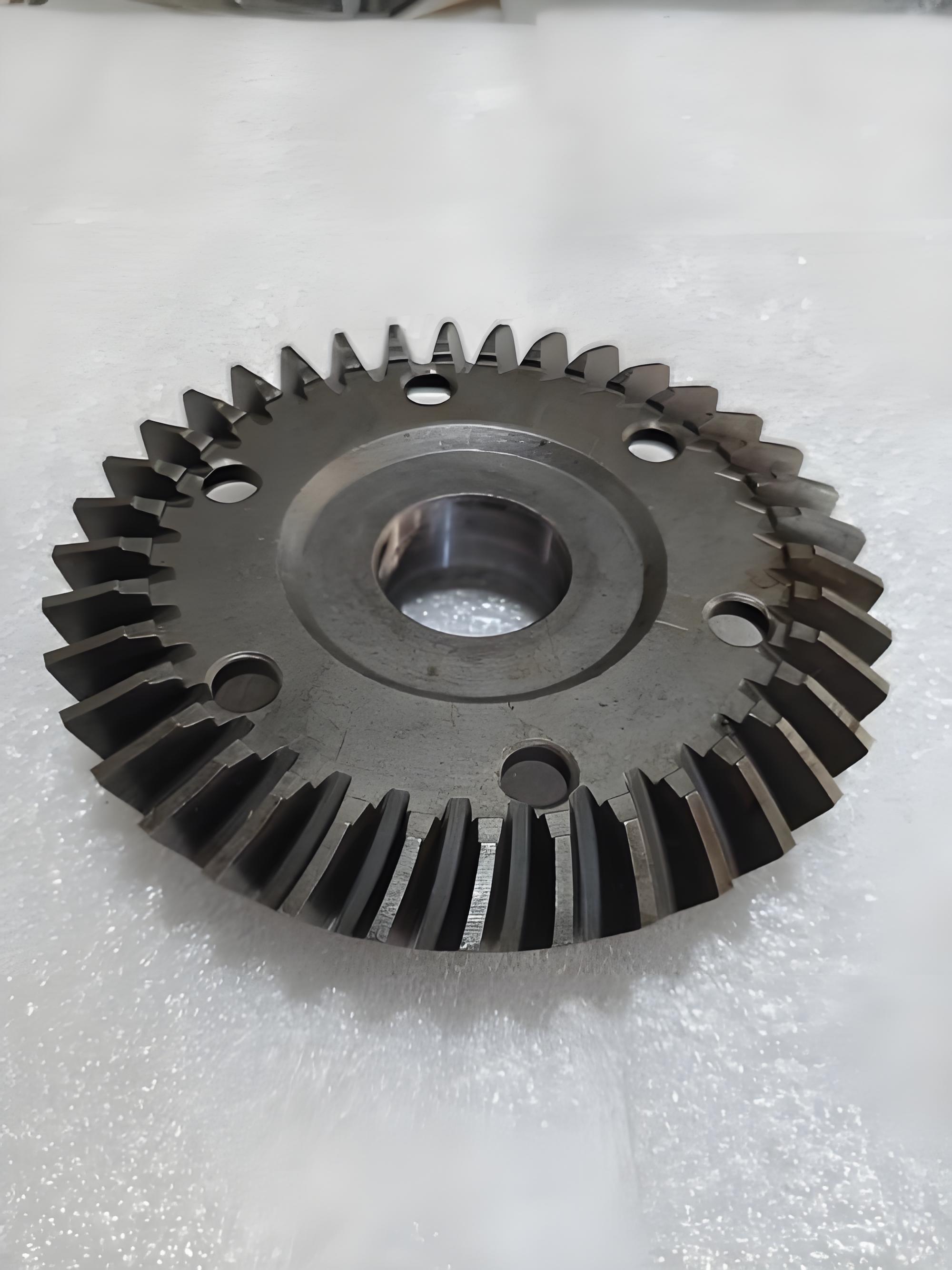
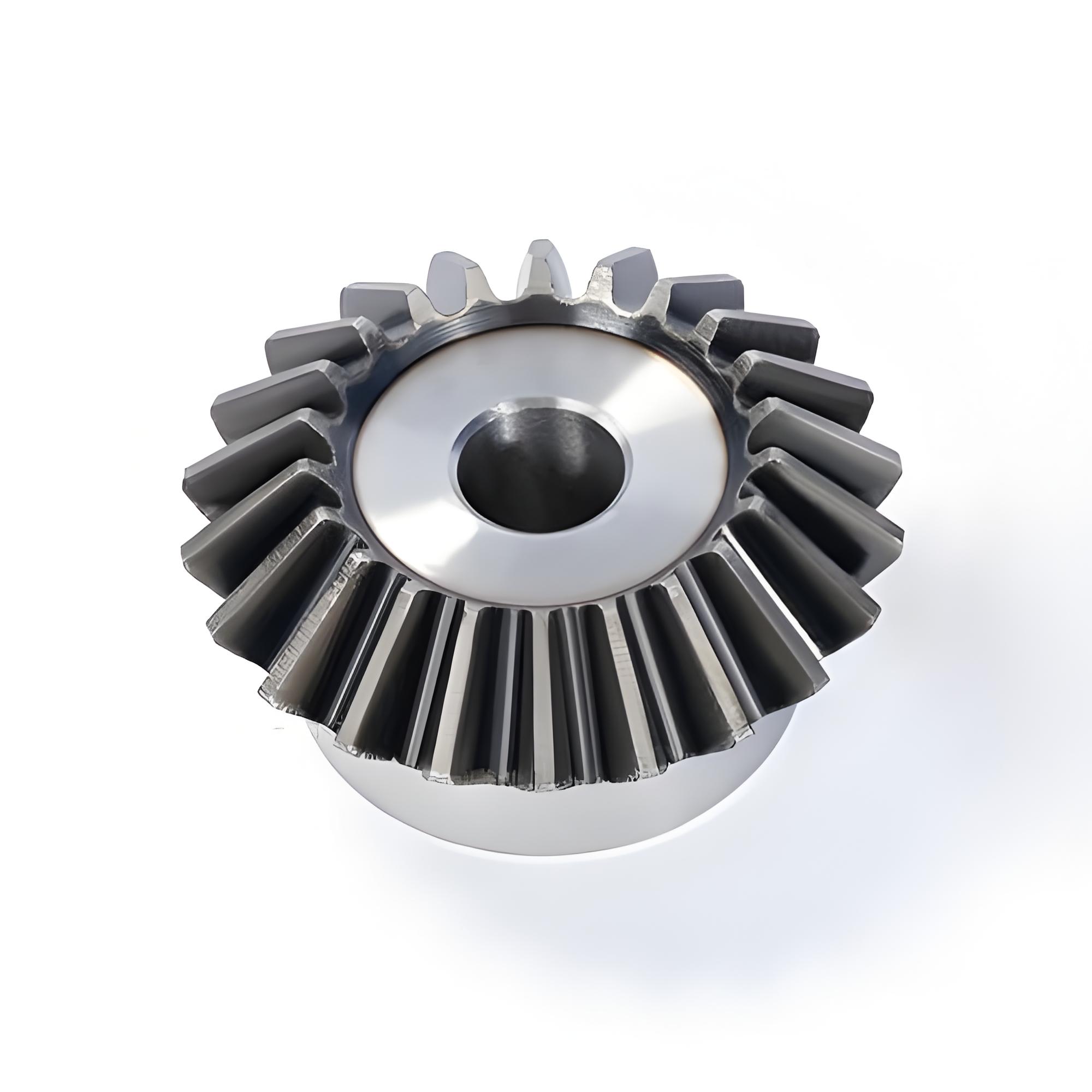
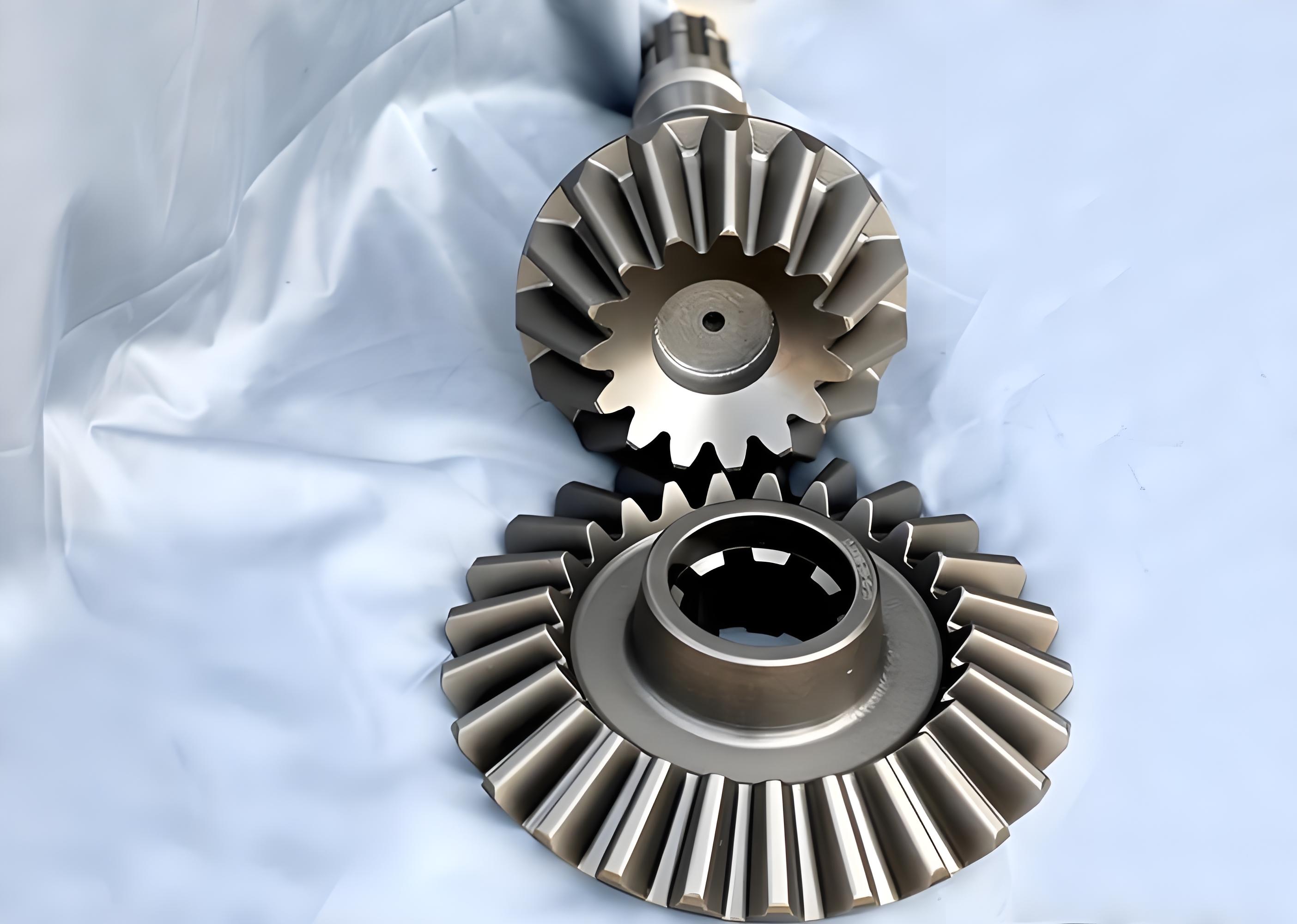
| Item | Description |
|---|
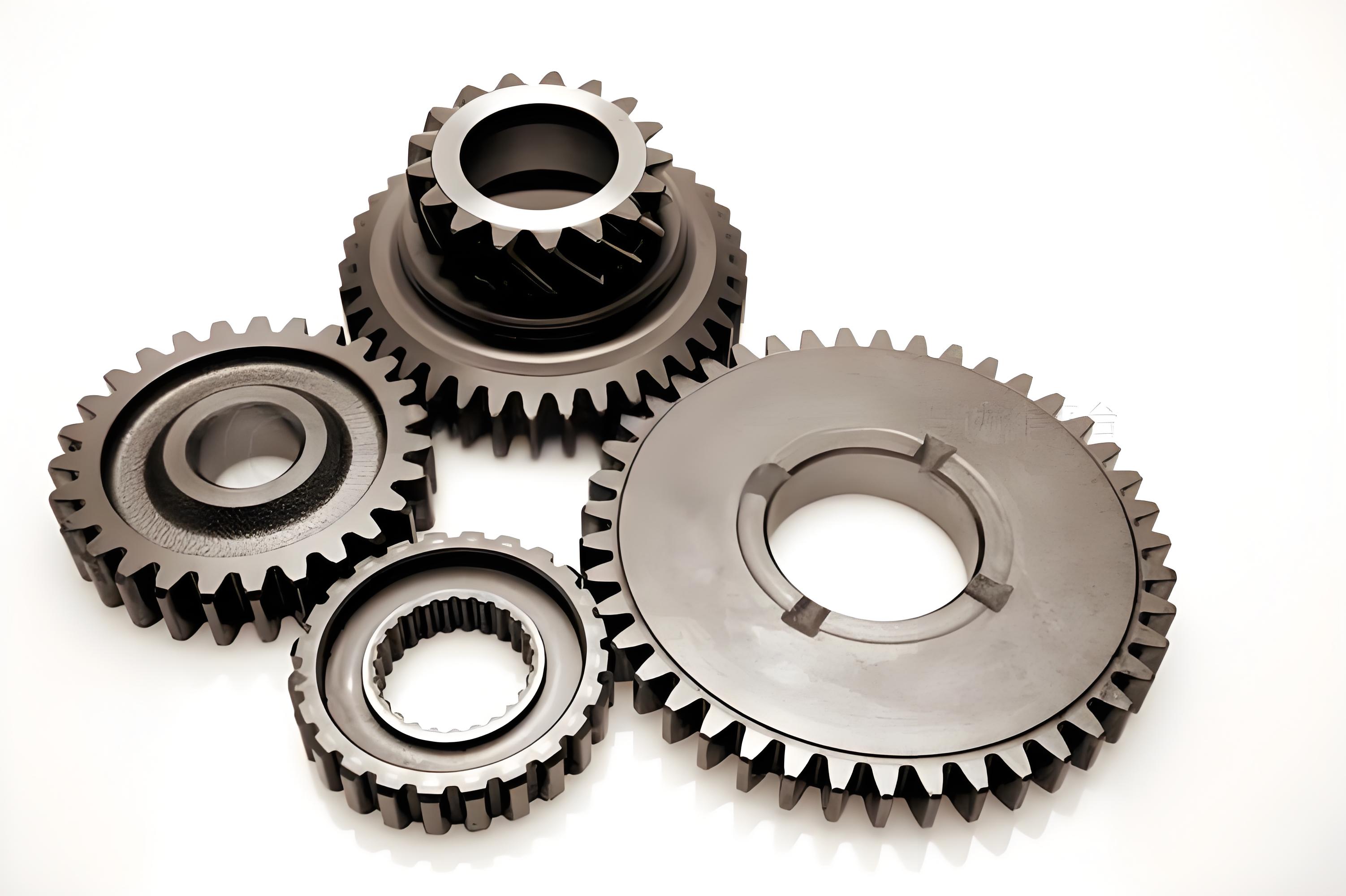
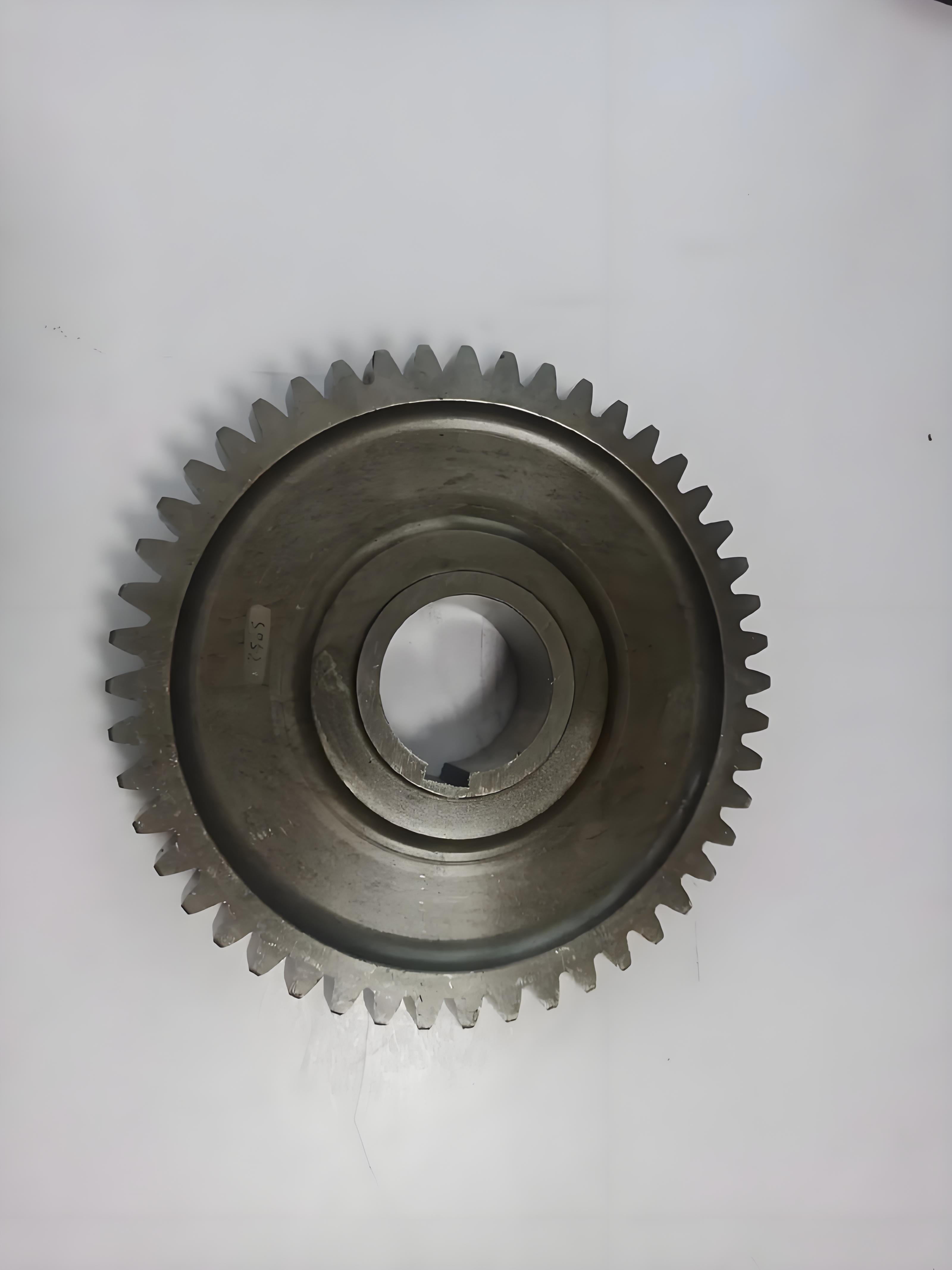
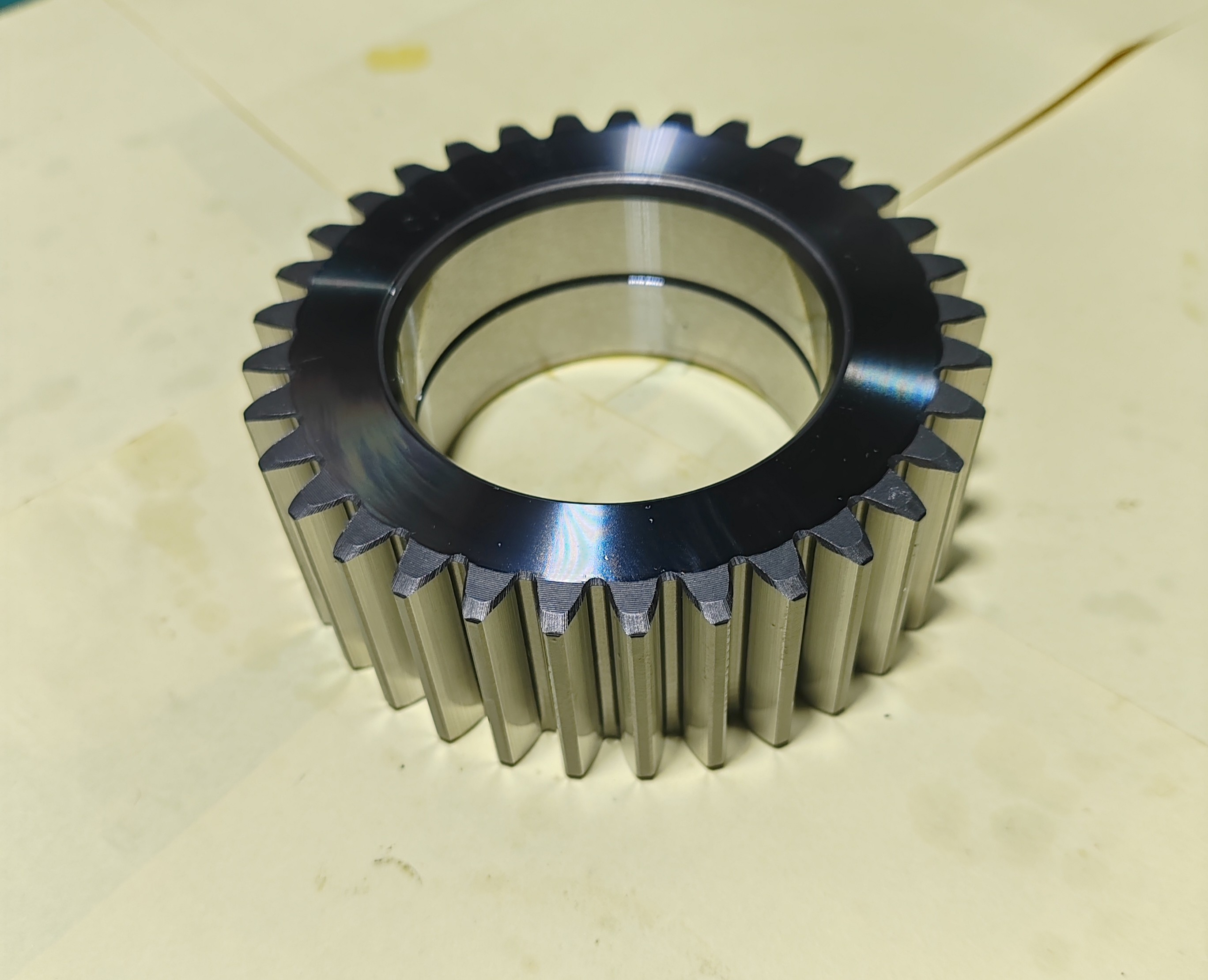
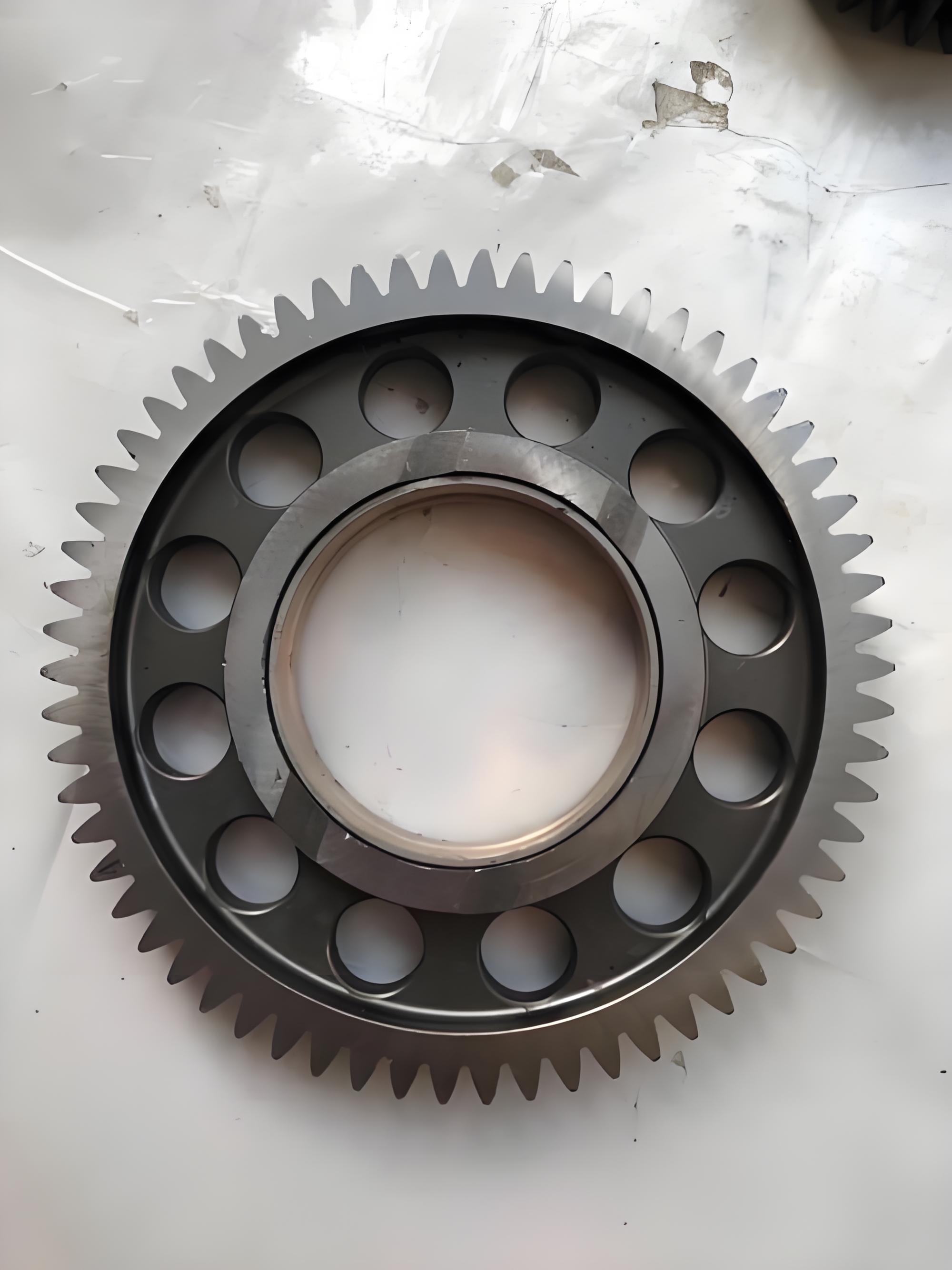
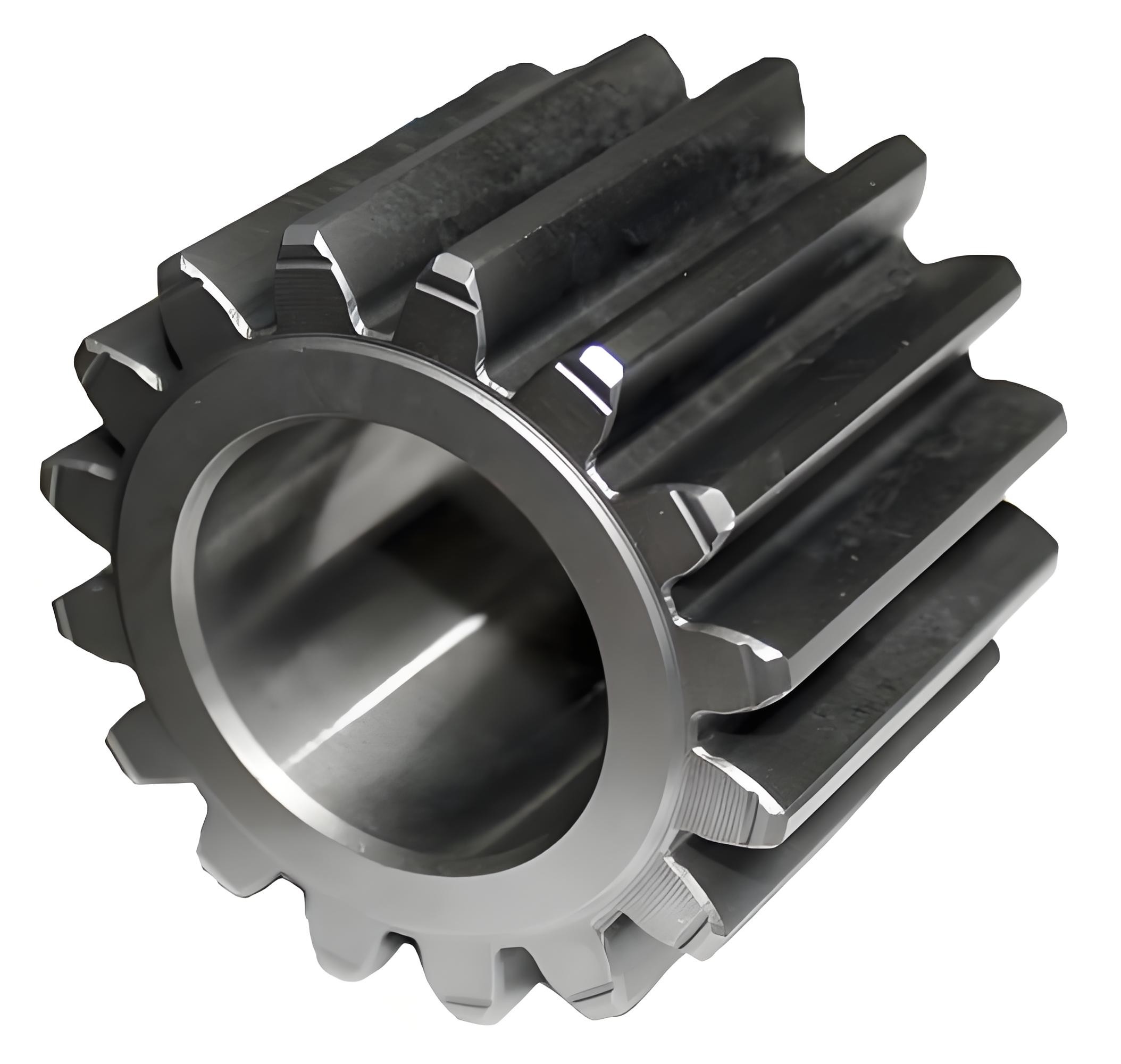
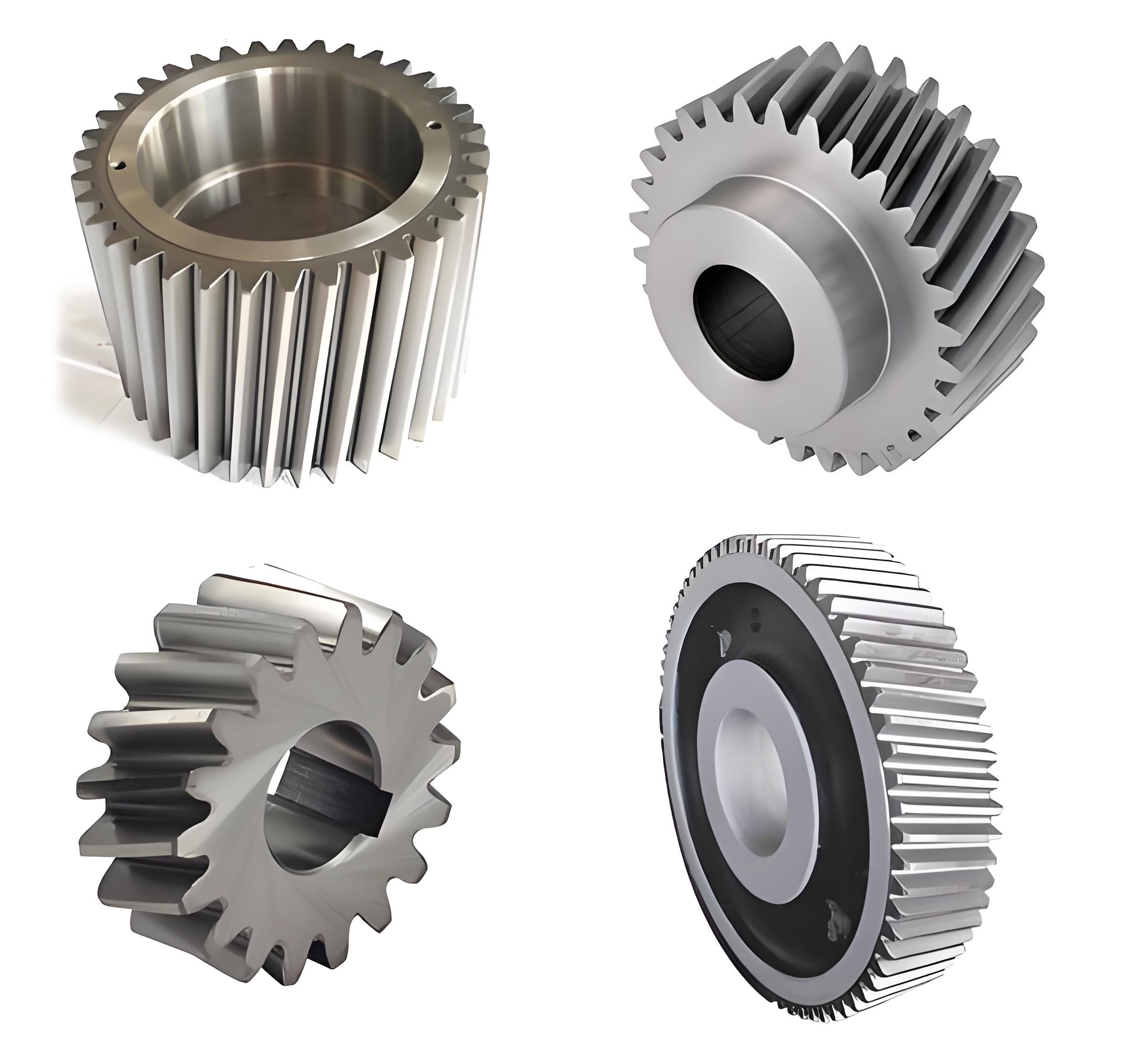
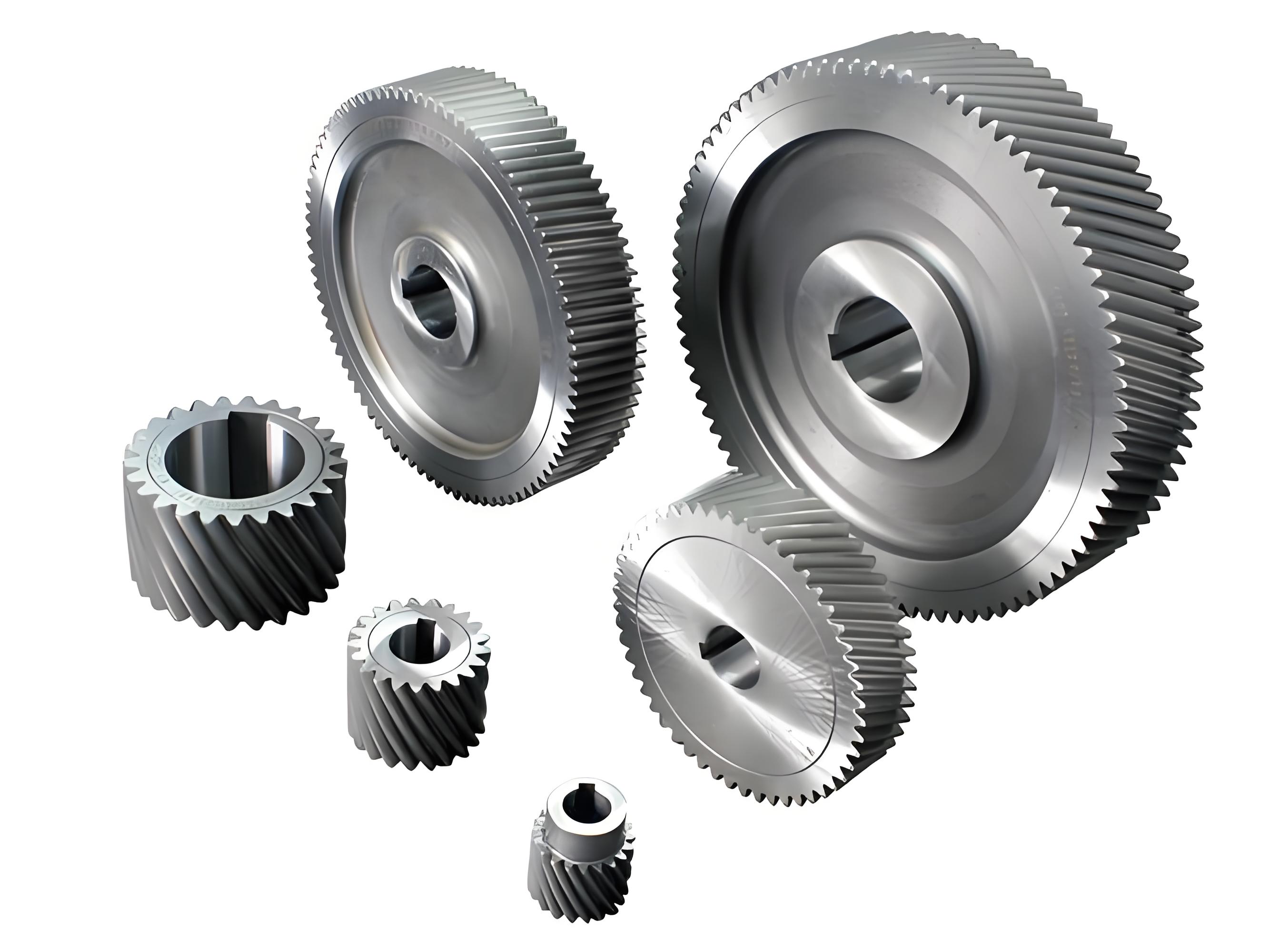
| Product Name | Gear forgings, ring gear forgings, gear blanks, ring gear blanks, transmission gear forgings |
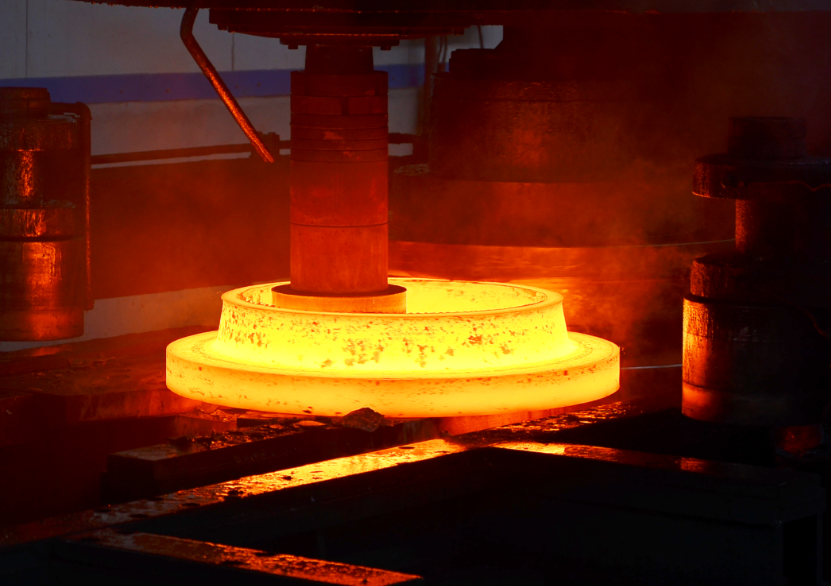
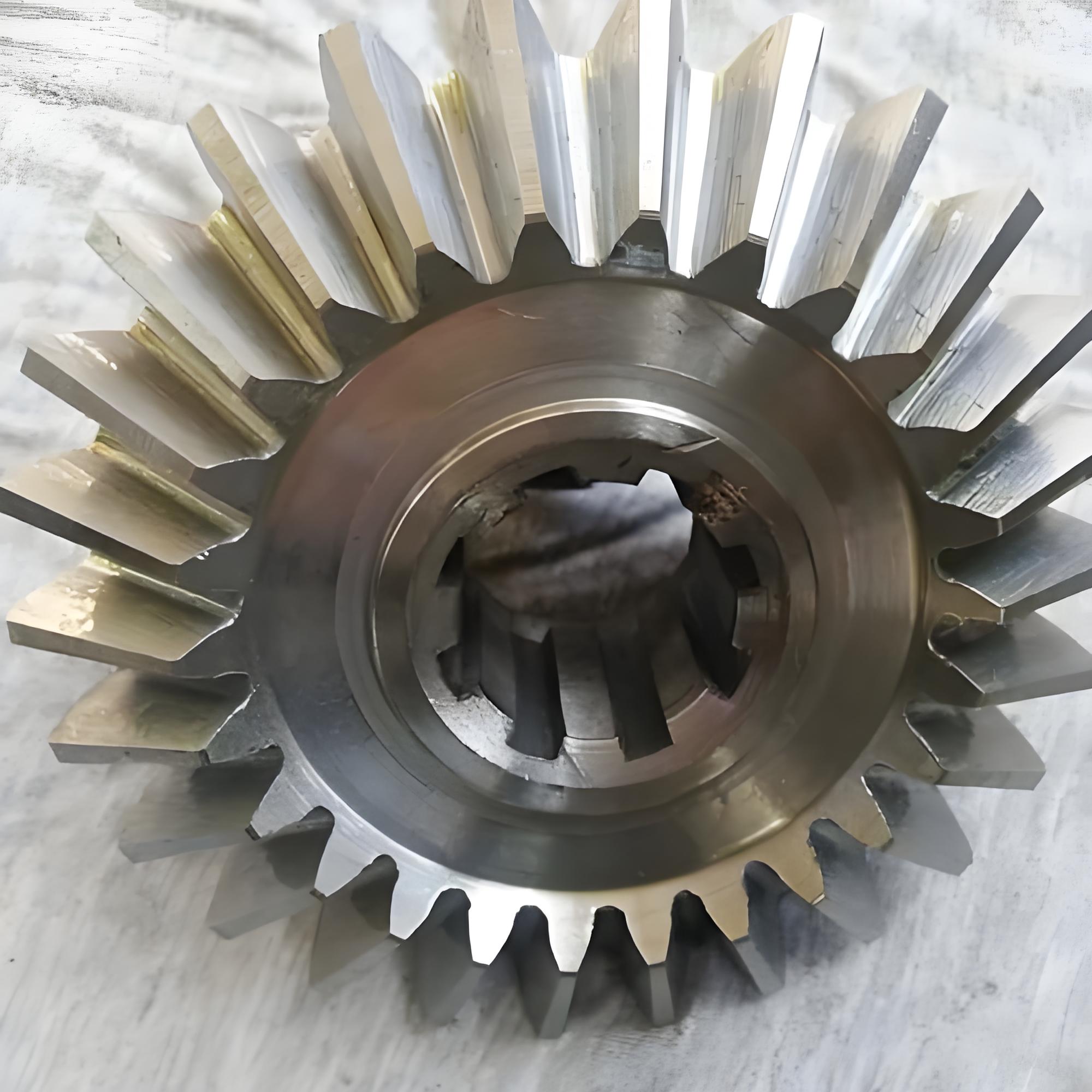
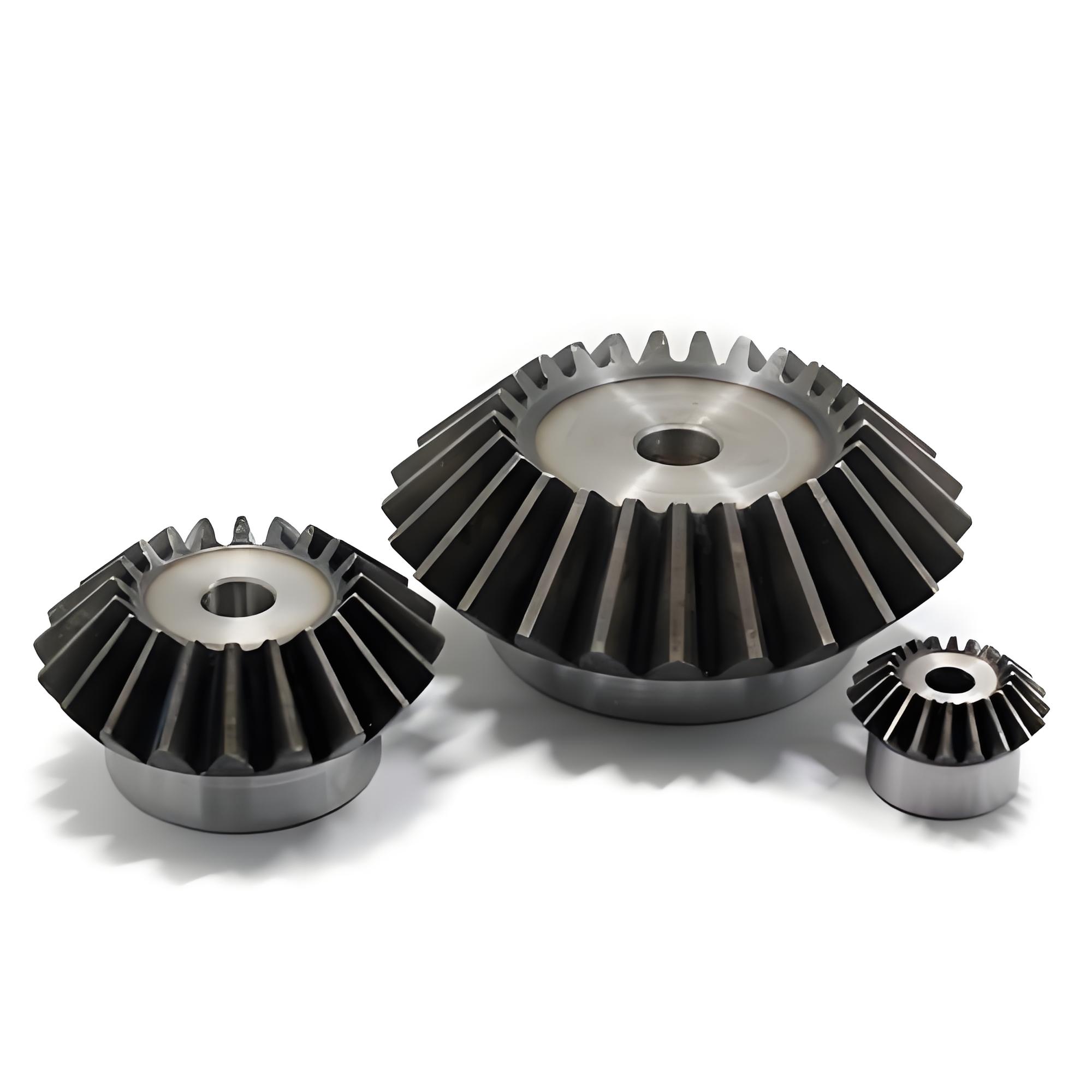
| Overview | Gears and ring gears are core components of mechanical transmission systems. Forged gears and ring gears feature continuous grain flow along the tooth profile and a dense internal structure – free of defects. Compared with cast gears or those machined directly from bar stock, forged gears provide higher fatigue strength, greater impact toughness, and longer service life. Ideal for heavy-load applications such as automotive transmissions, construction machinery drive axles, wind turbine gearboxes, and slewing bearings. |
| Common Materials | Carbon steel: 45#, 55# Alloy steel: 40Cr, 42CrMo, 20CrMnTi, 20CrMo, 35CrMo Case-hardening steel: 20CrMnMo, 17CrNiMo6 Stainless steel: 304, 316, 410 (for light-load or corrosion-resistant needs) |
| Weight Range (per piece) | 0.5 kg – 200 kg |
| Max Outer Diameter | 100 mm – 1200 mm (for ring gears) |
| Max Inner Diameter (ring gear) | 50 mm – 1000 mm |
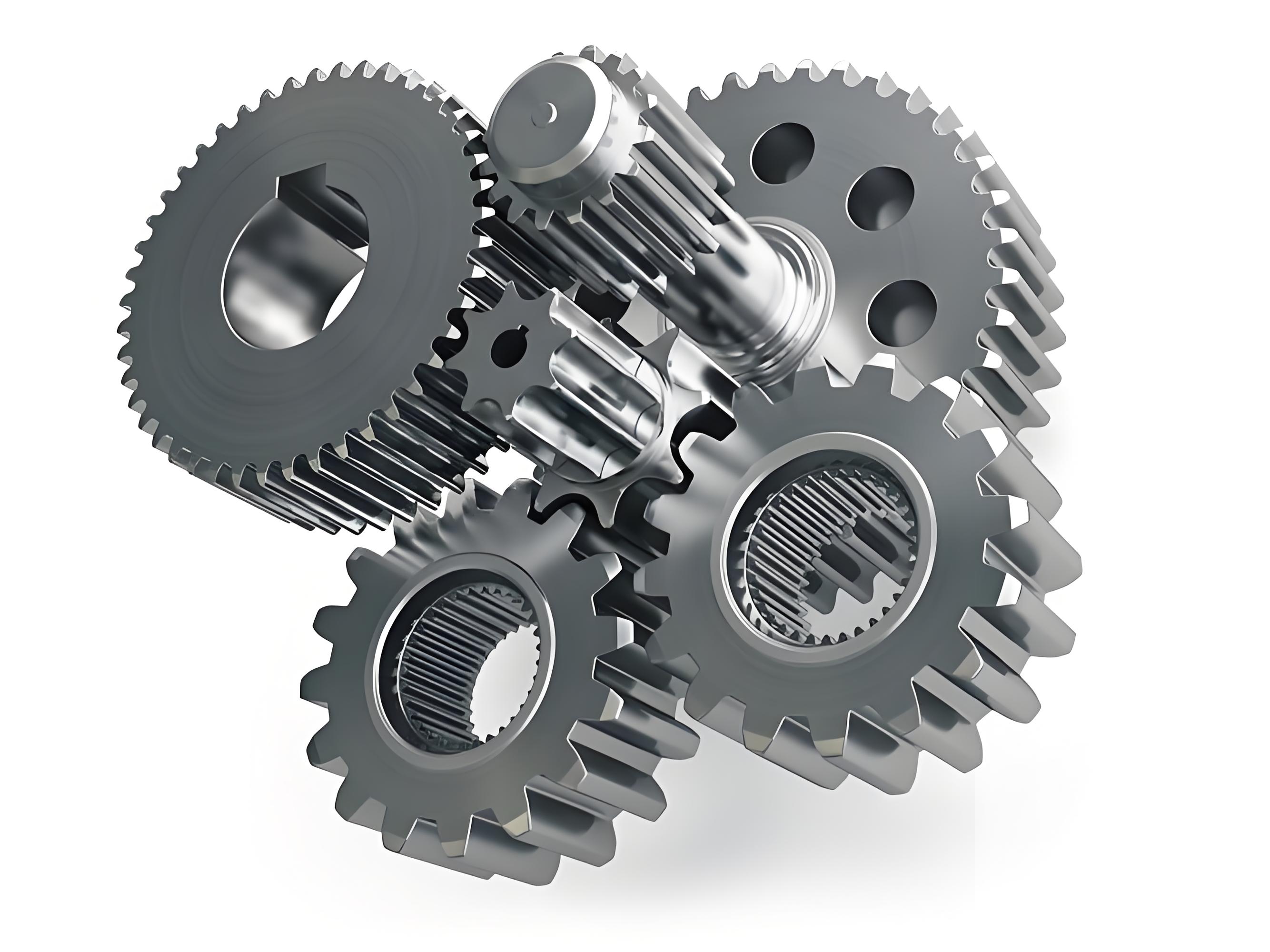
| Main Product Forms | Spur gear blanks, helical gear blanks, ring gear forgings (with/without steps), bevel gear blanks, planetary gear blanks, rack forgings |
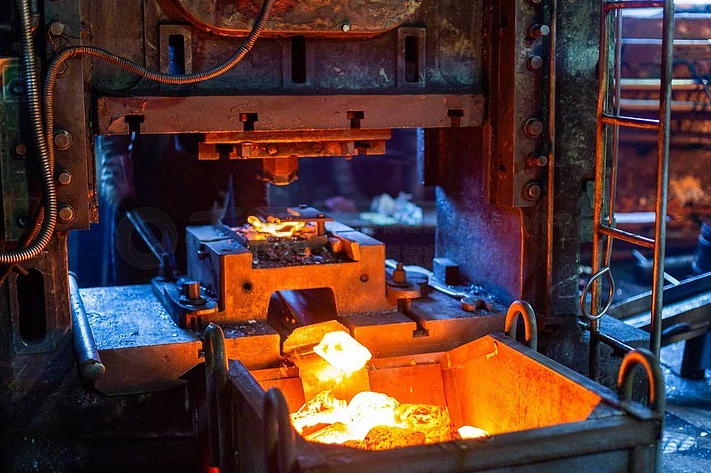
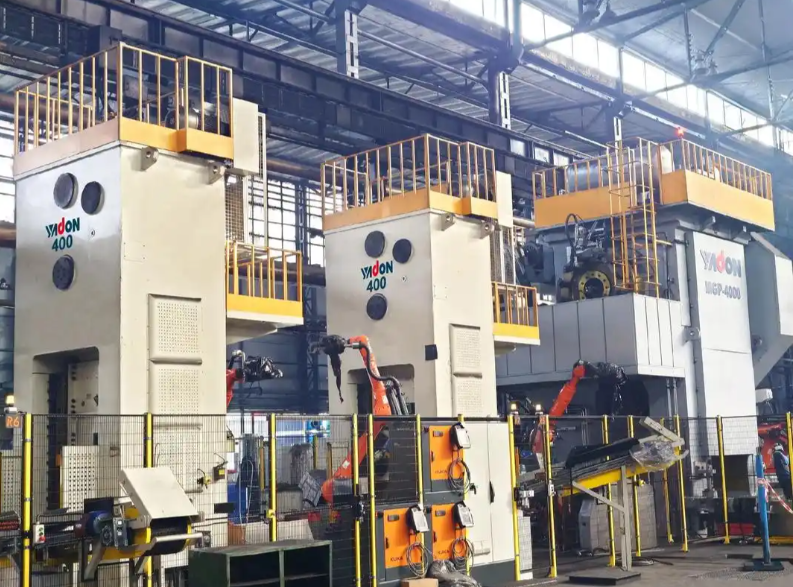
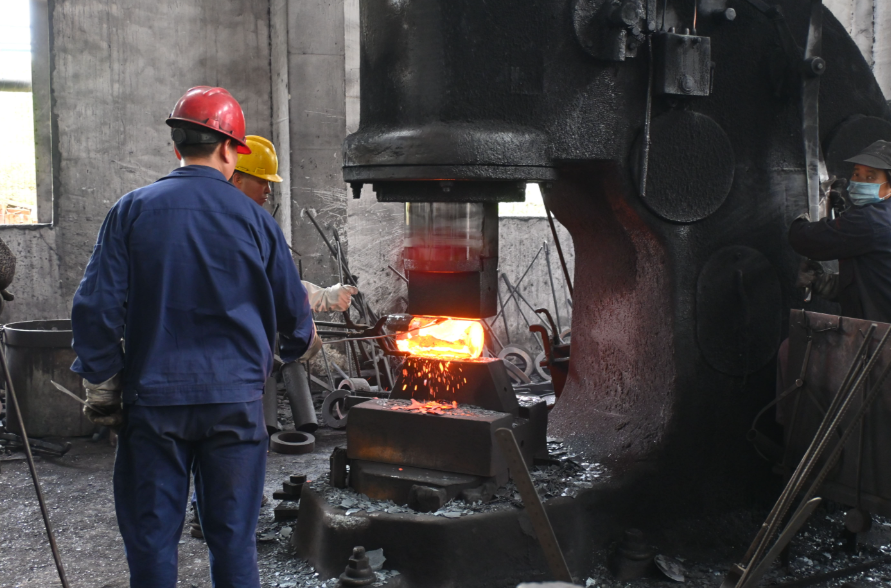
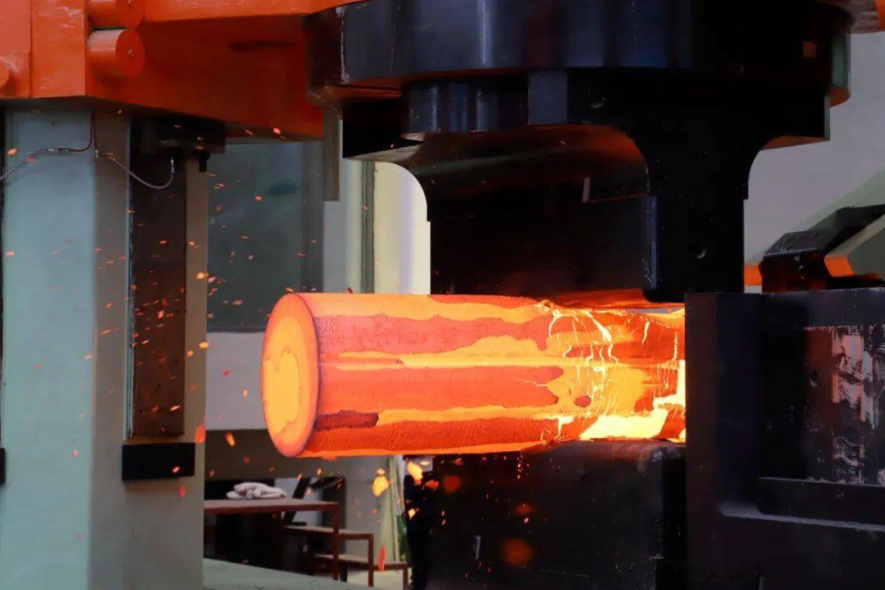
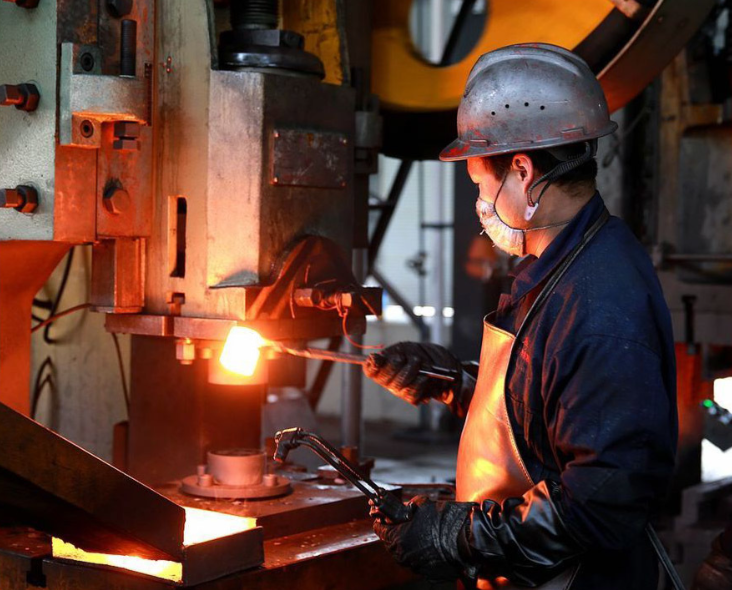
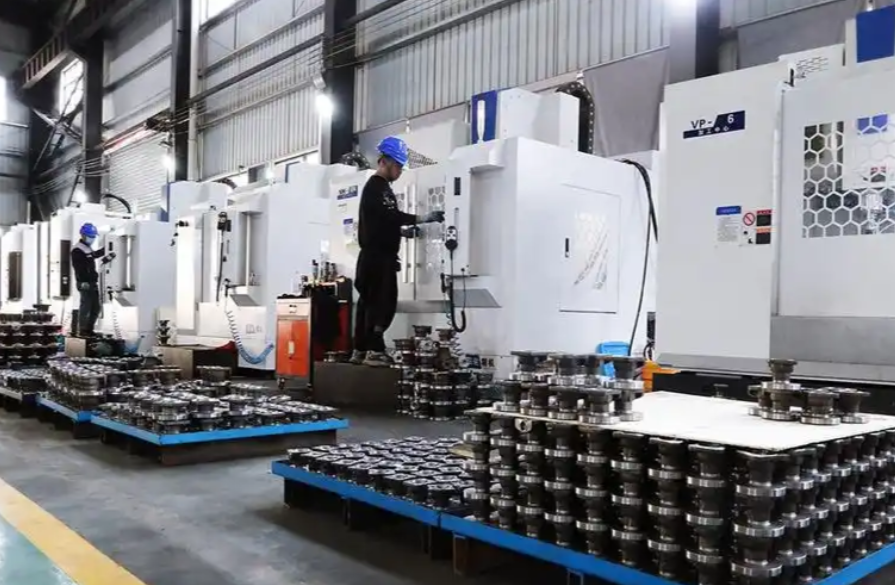
| Forging Process | Die forging / Ring rolling (special for ring gears) / Open-die forging + rough turning |
| Subsequent Operations (optional) | Normalizing / Quenching & tempering / Carburizing & hardening / Induction hardening + finish turning / gear hobbing / gear grinding |
| Typical Applications | Automotive transmission gears, drive axle gears, construction machinery travel gears, agricultural transmission gears, wind turbine yaw ring gears, slewing bearing internal/external ring gears, mining machinery gears, industrial reducer ring gears |
| Applicable Standards | GB/T 3077, ASTM A29, DIN 17200, JIS G4051, ISO 6336, or customer drawings |
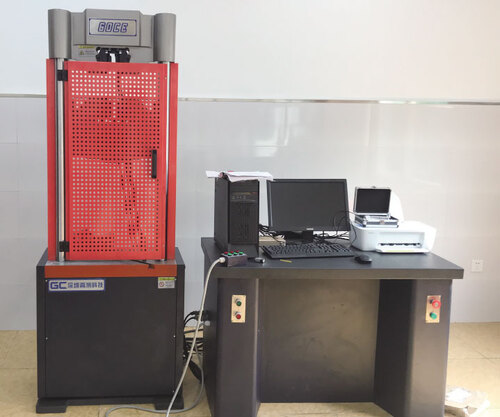
| Key Advantages | 1. Complete forging flow lines – no cut flow lines at tooth root, significantly improved fatigue resistance 2. Dense structure – eliminates porosity, shrinkage, segregation and other casting defects 3. High material utilization – near-net shape reduces turning allowance 4. Meets ultrasonic testing (UT) and magnetic particle testing (MT) requirements 5. Uniform hardness after heat treatment – good tooth surface wear resistance 6. Customizable for various modules, tooth profiles and non-standard ring gears based on drawings |