| Item | Description |
|---|
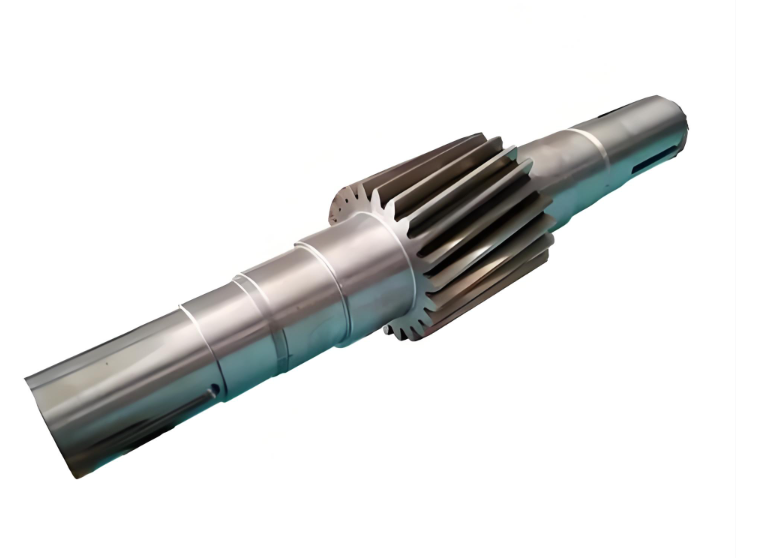
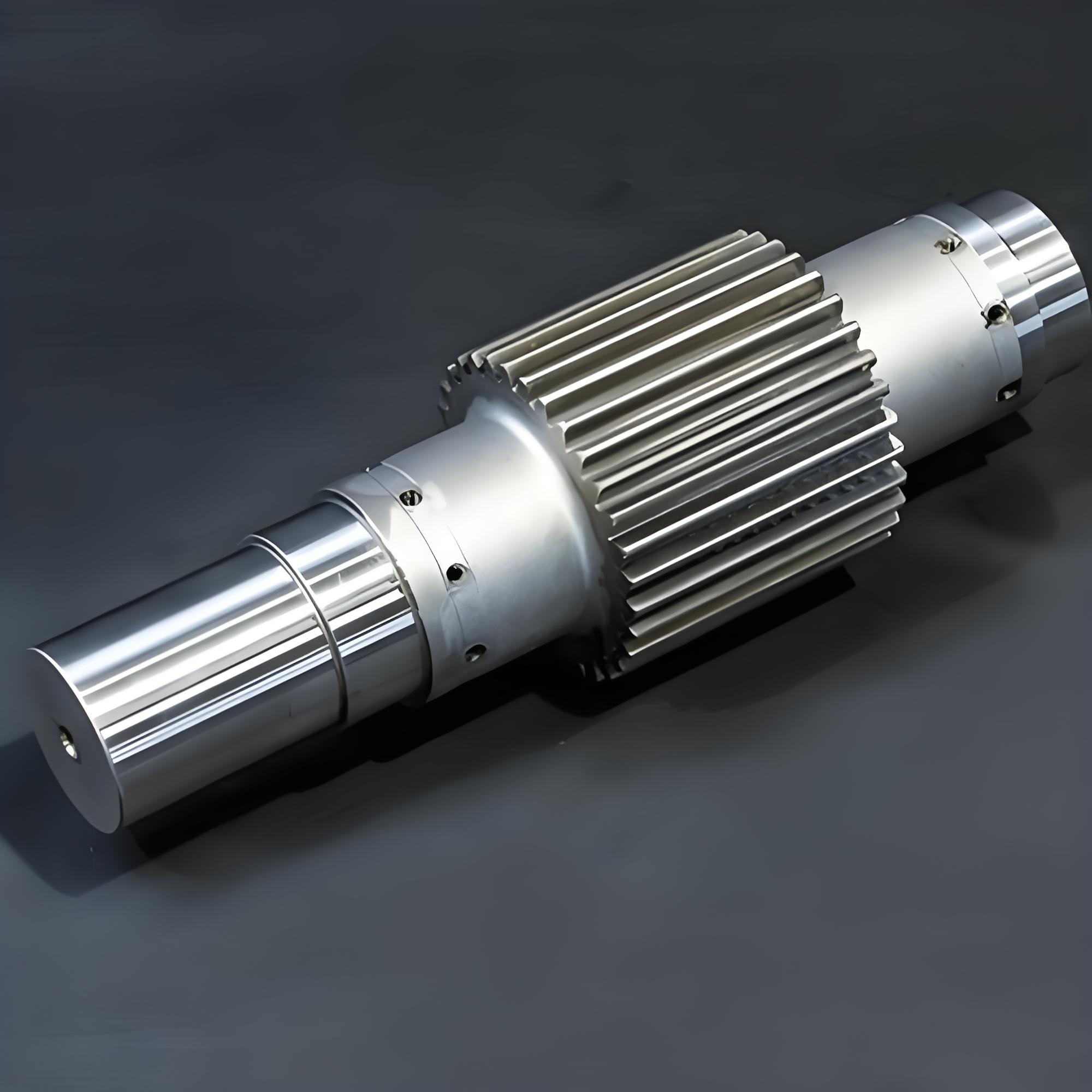
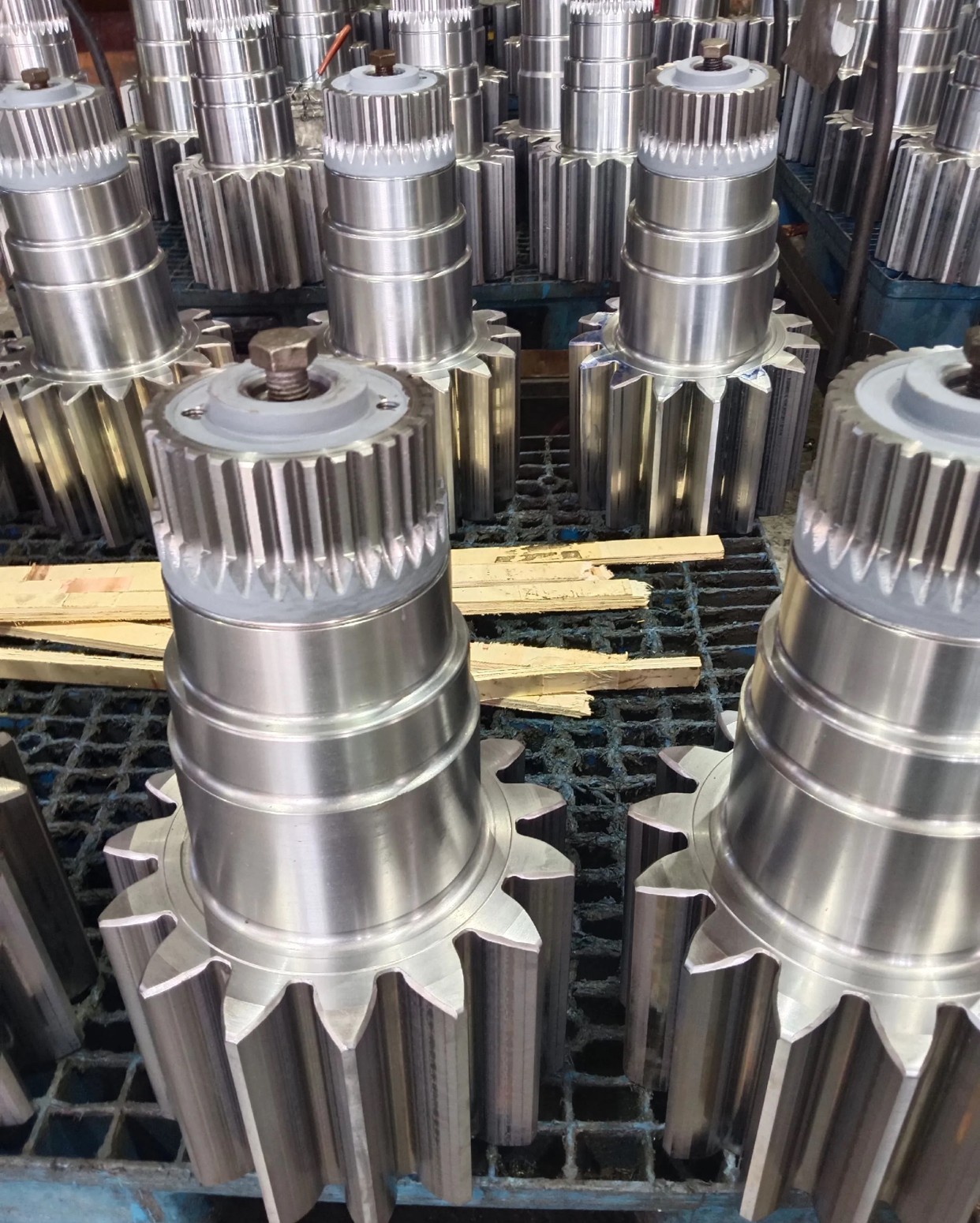
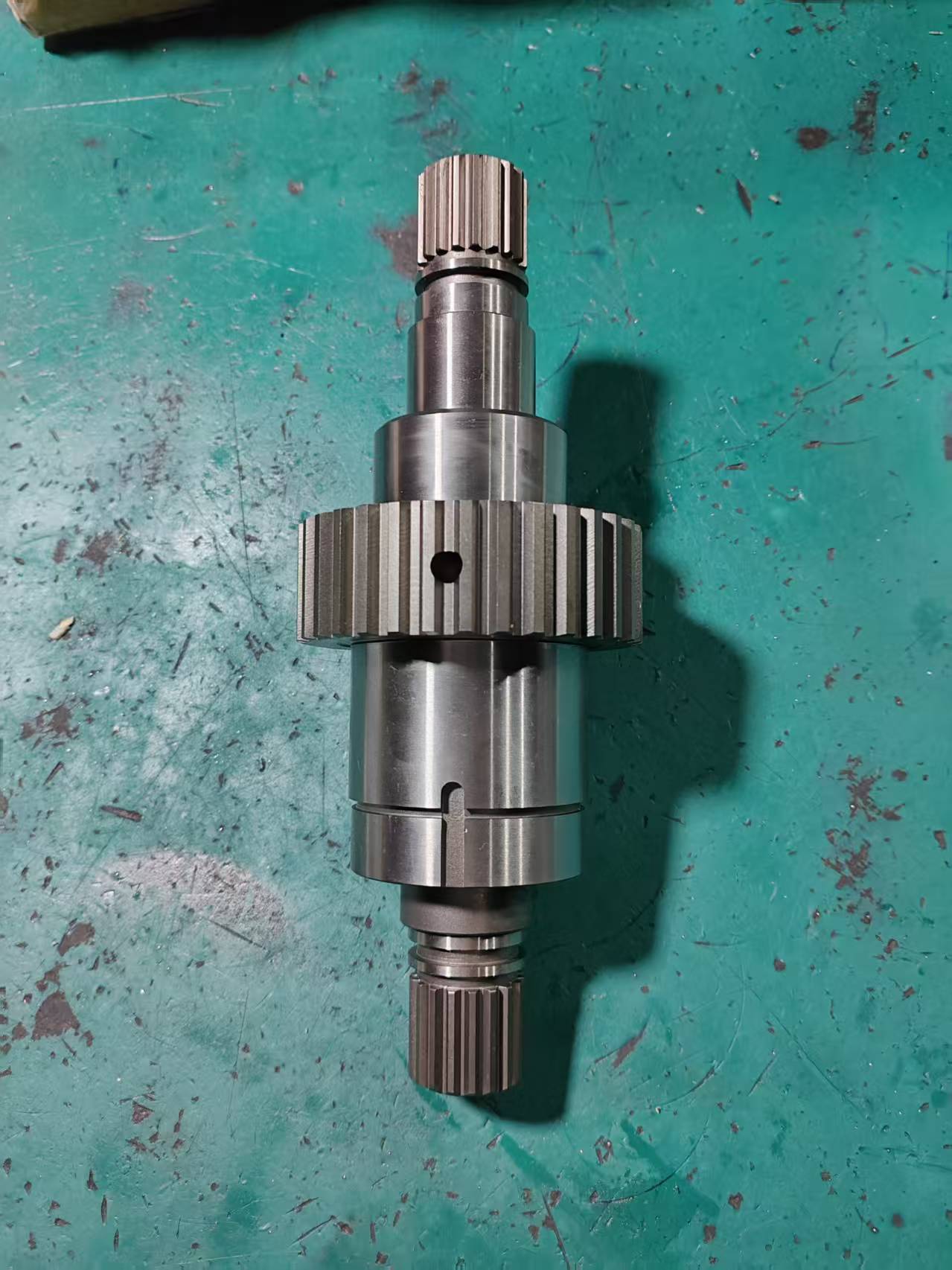
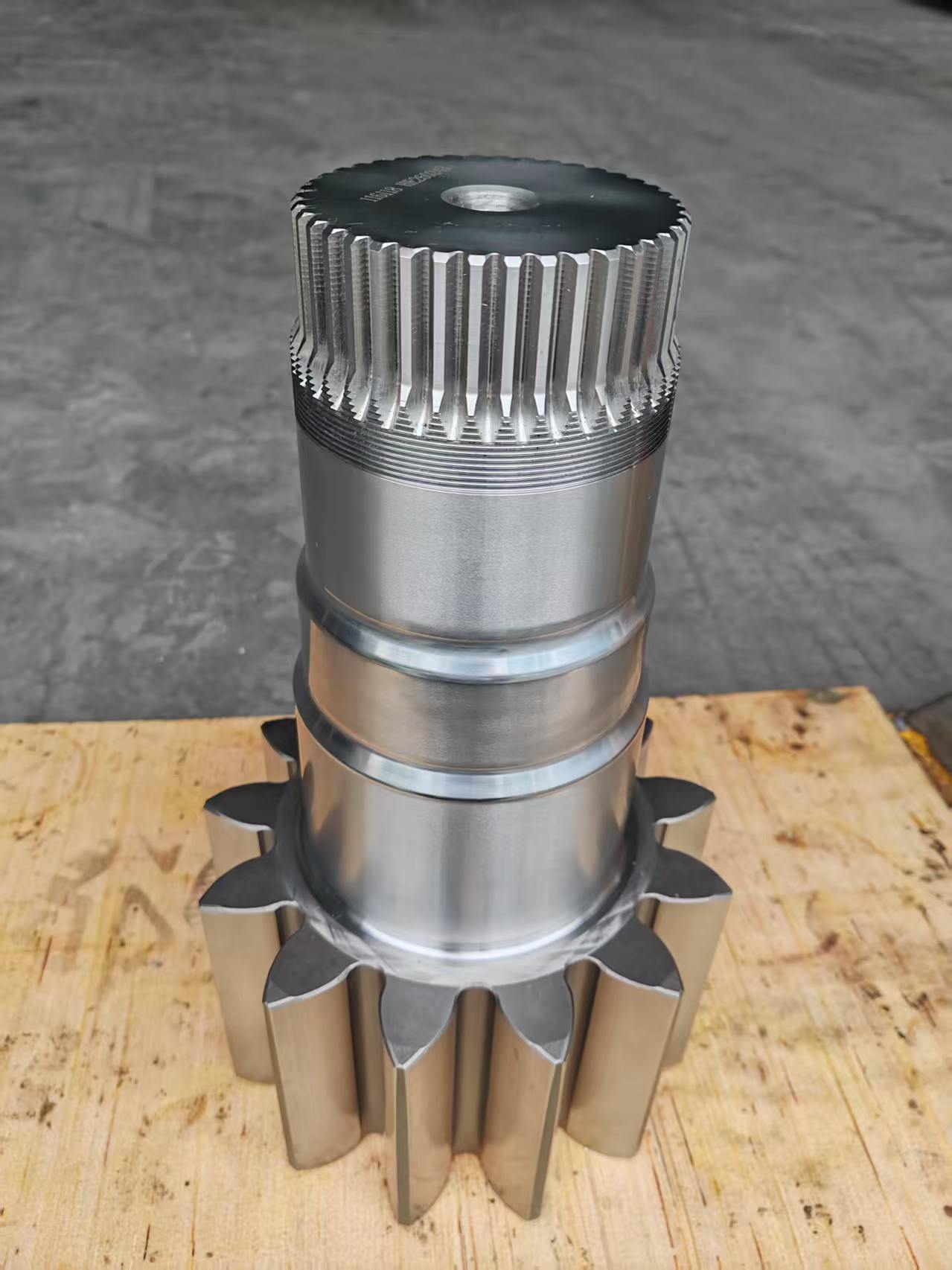
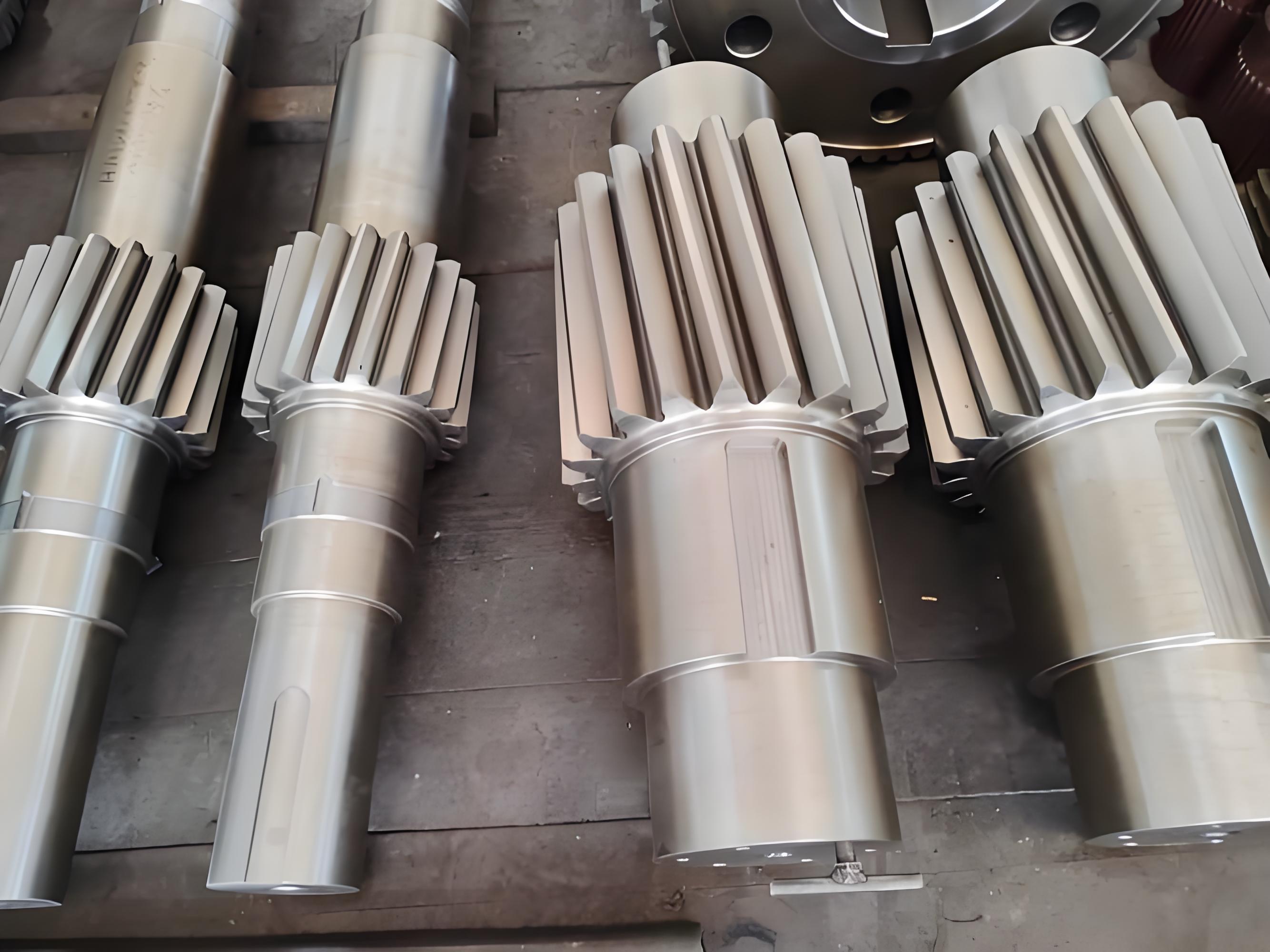
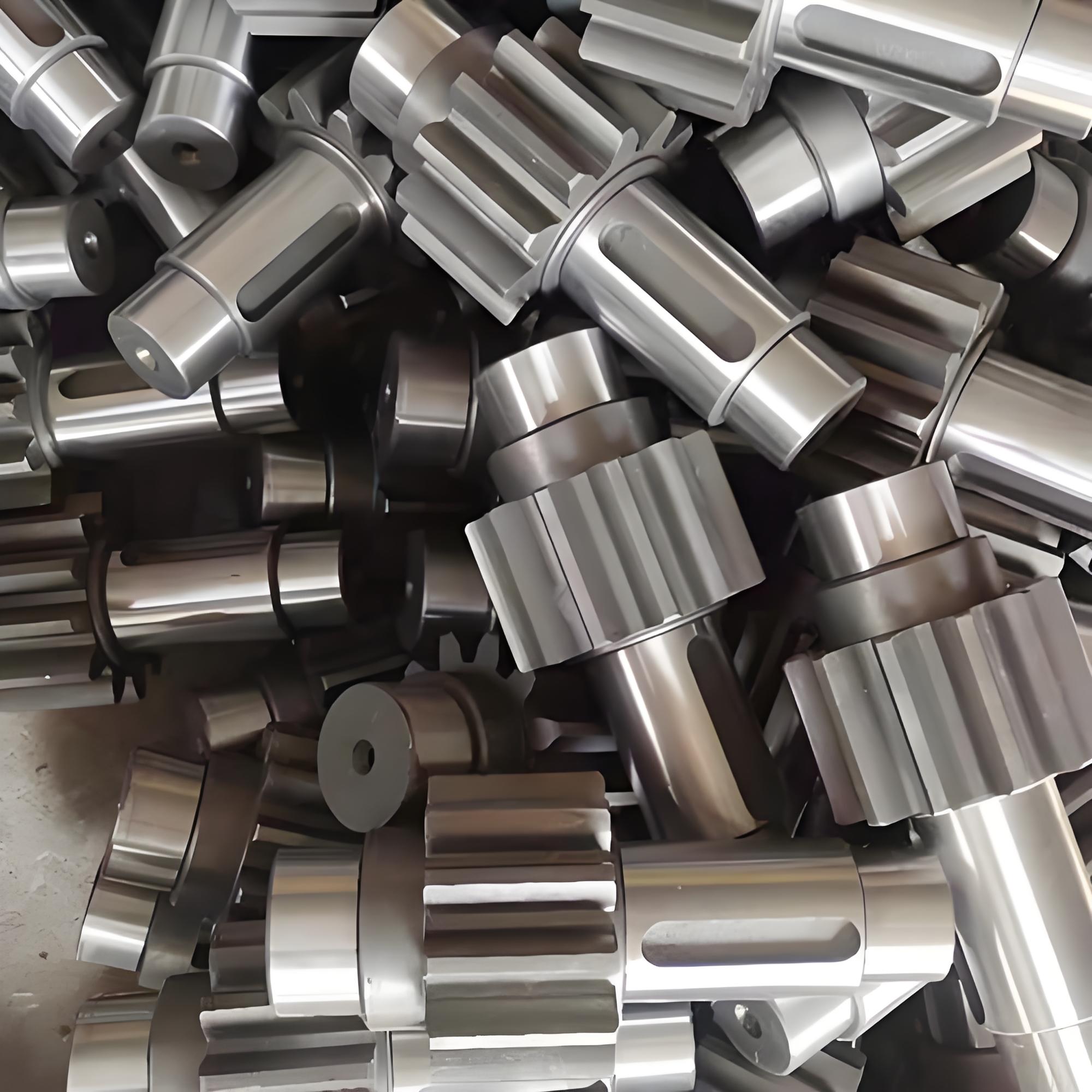
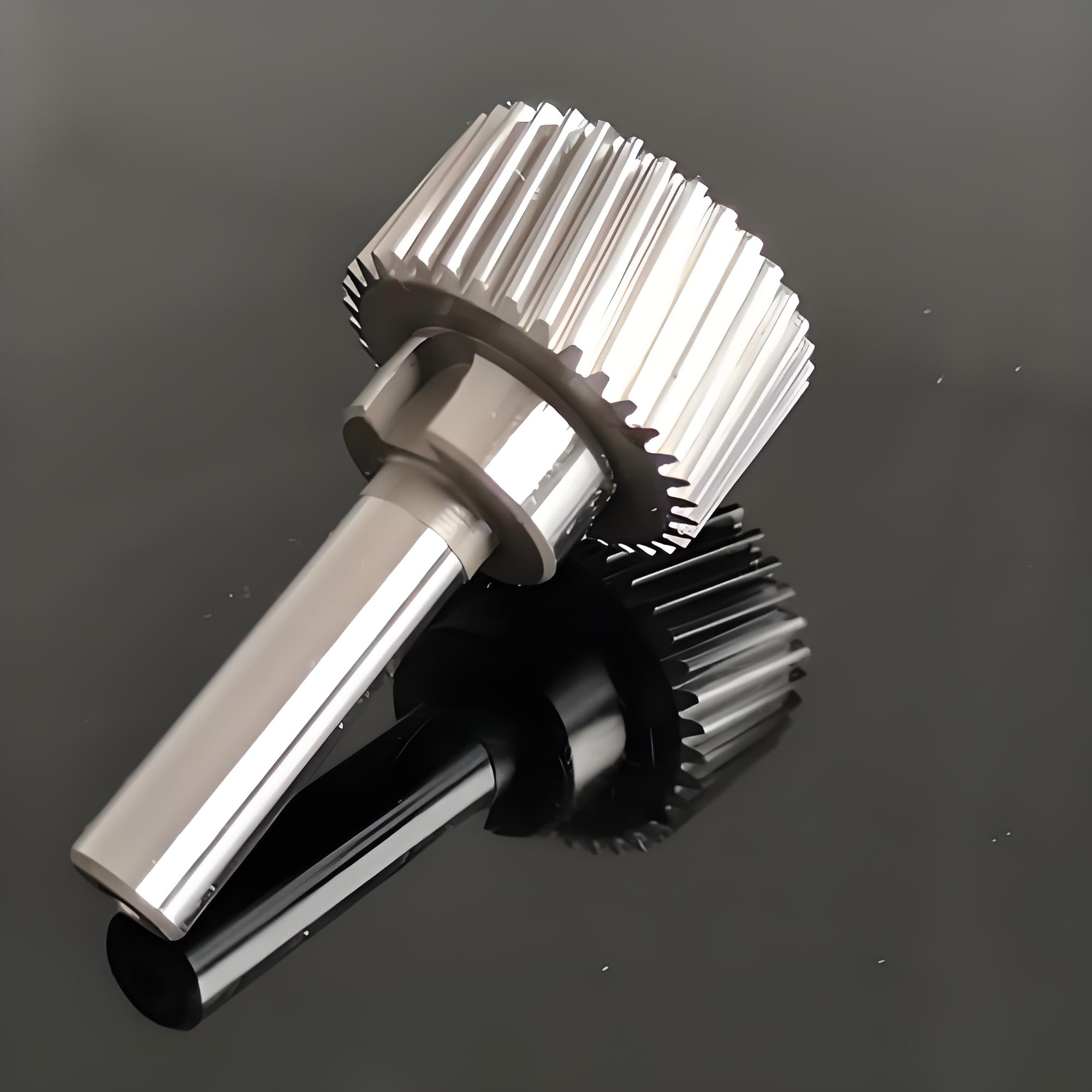
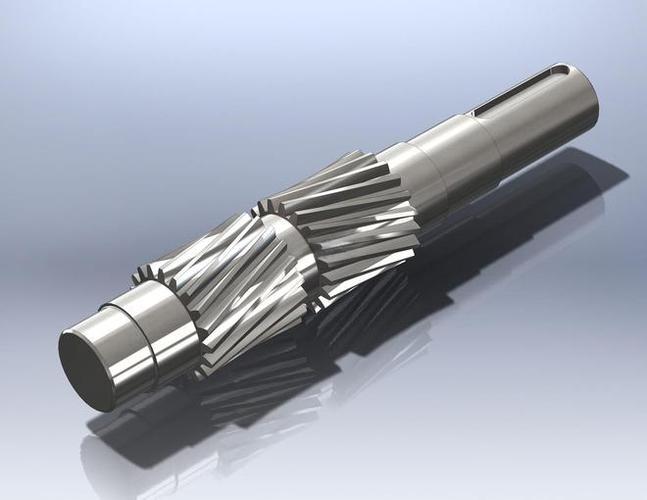
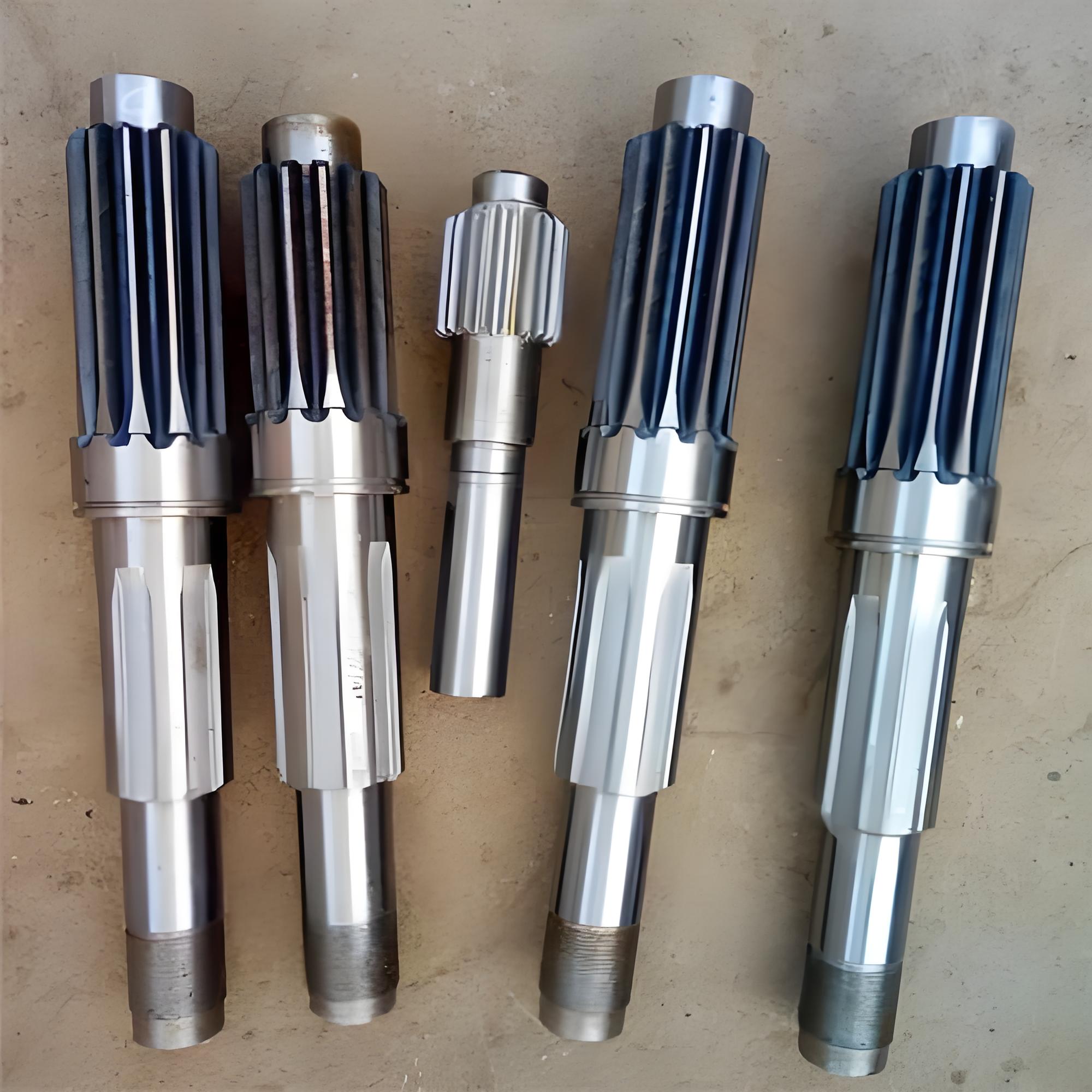
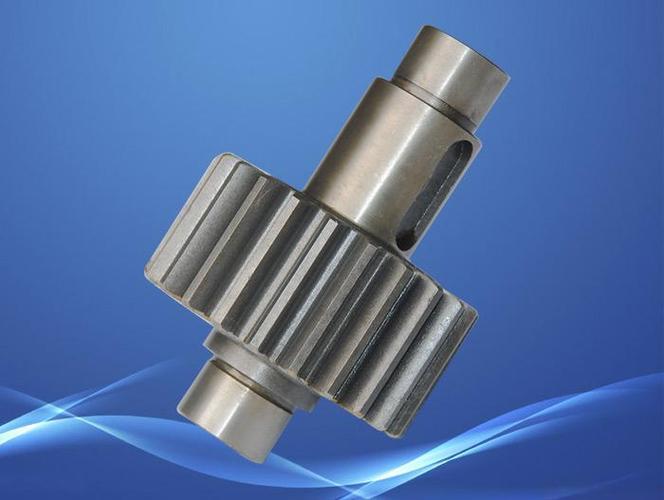
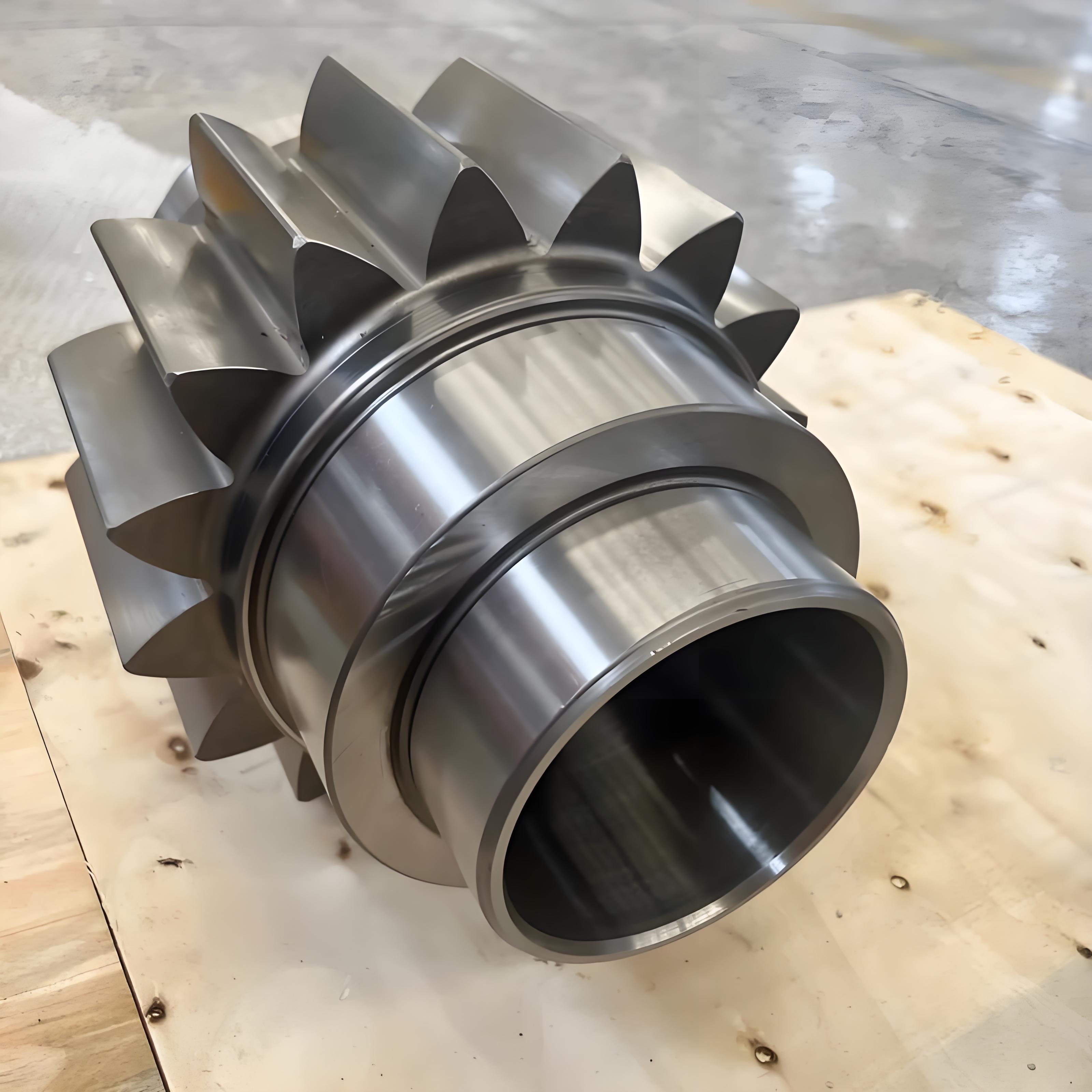
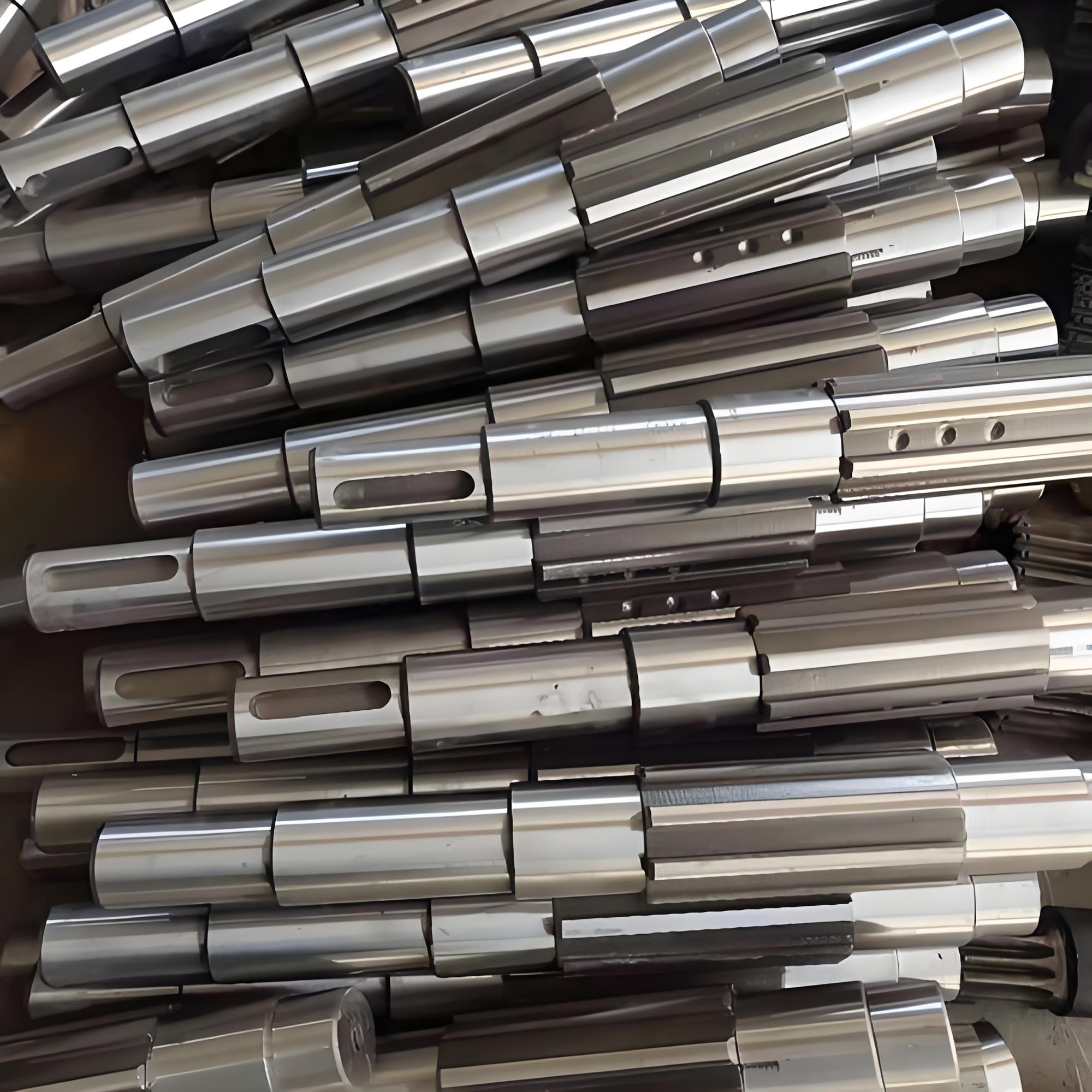
| Product Name | Gear shaft forgings, transmission gear shaft blanks, gear shaft blanks, shaft forgings with integrated gear |
| Overview | Gear shafts combine a gear and a shaft into one transmission component, simultaneously transmitting torque and providing gear meshing. Through integral forging, the grain flow is continuously distributed along the journal and tooth profile – eliminating failure risks associated with welded or interference-fitted assemblies. Gear shaft forgings offer higher torsional strength, fatigue resistance, and reliability. Ideal for automotive transmissions, engine camshafts, construction machinery transfer cases, industrial reducers, and pump drive systems. |
| Common Materials | Carbon steel: 45#, 55# Alloy steel: 40Cr, 42CrMo, 35CrMo Case-hardening steel: 20CrMnTi, 20CrMo, 20CrMnMo Nitriding steel: 38CrMoAl Stainless steel: 304, 316, 410 (light-duty or special environments) |
| Weight Range (per piece) | 1 kg – 150 kg |
| Max Length | 200 mm – 1500 mm |
| Max Shaft Diameter (gear section) | 50 mm – 400 mm |
| Gear Module Range | 2 – 16 (customizable) |
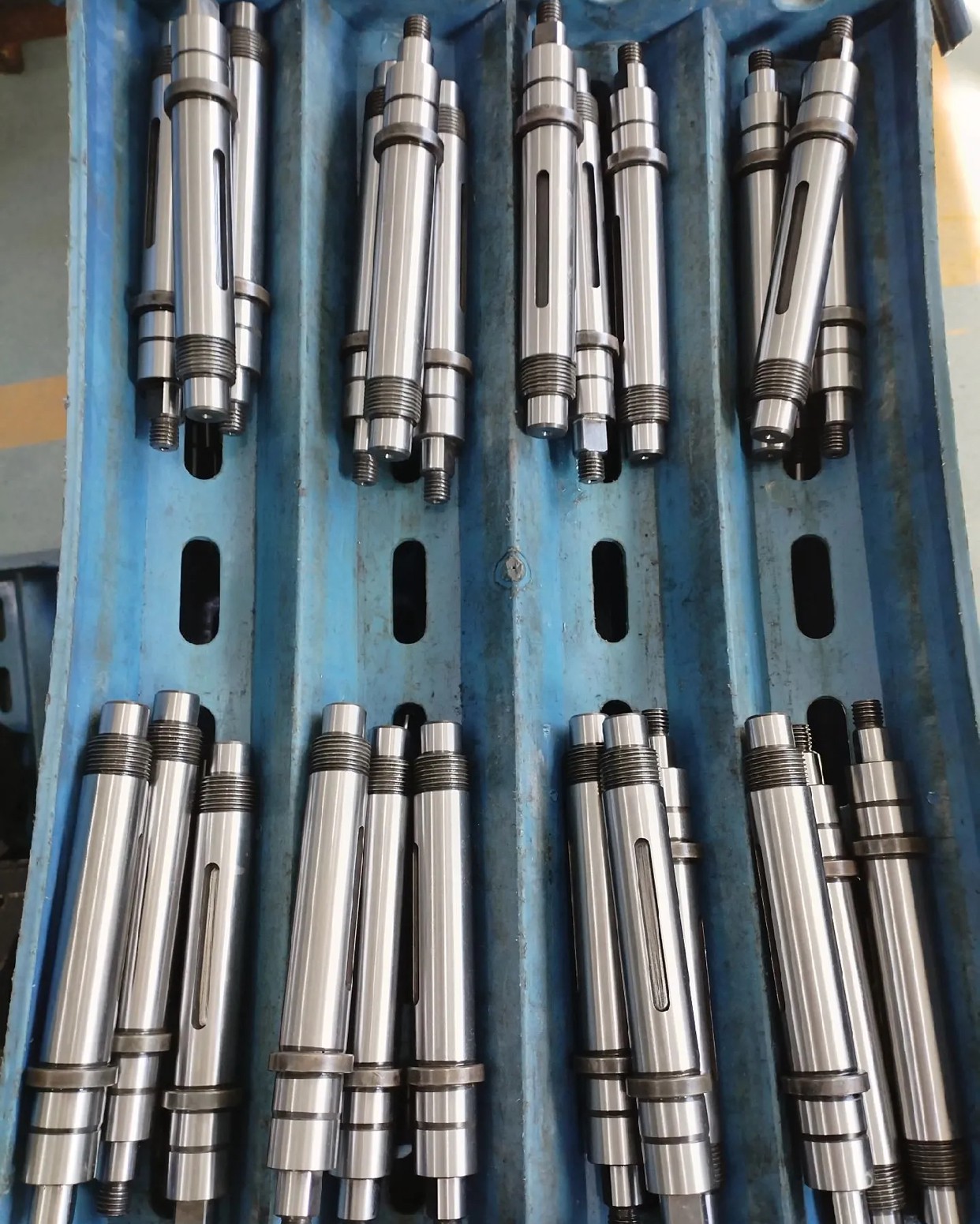
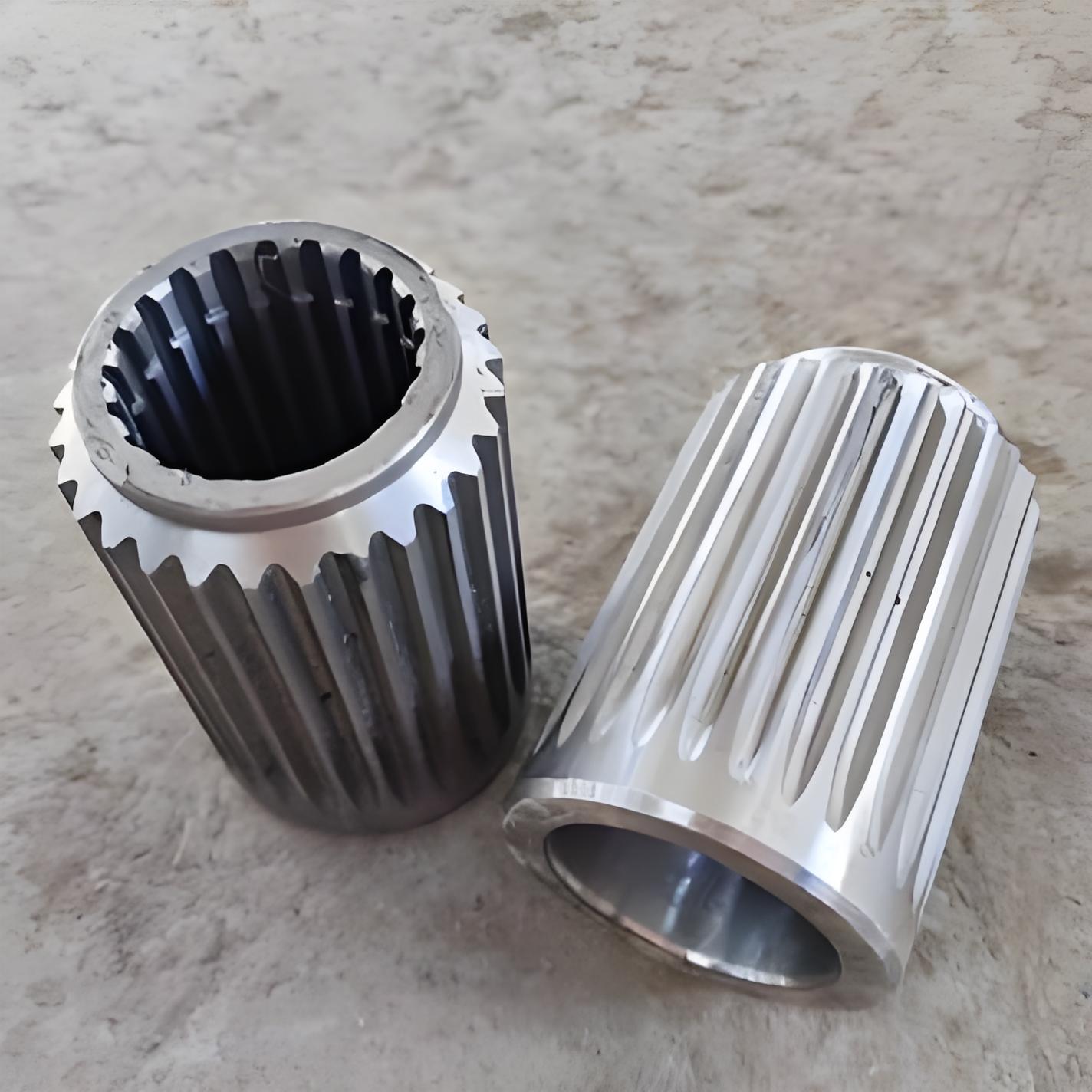
| Main Product Forms | Transmission input/output shaft forgings, camshaft blanks, motor shaft with gear, pump shaft with gear, splined gear shaft, planetary gear shaft, industrial reducer gear shaft |
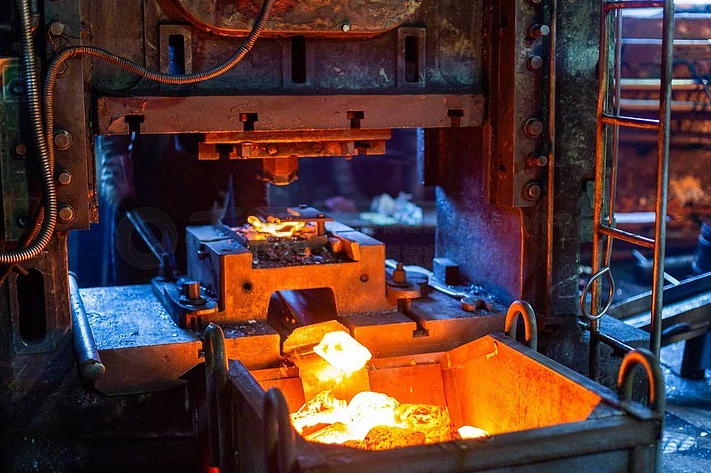
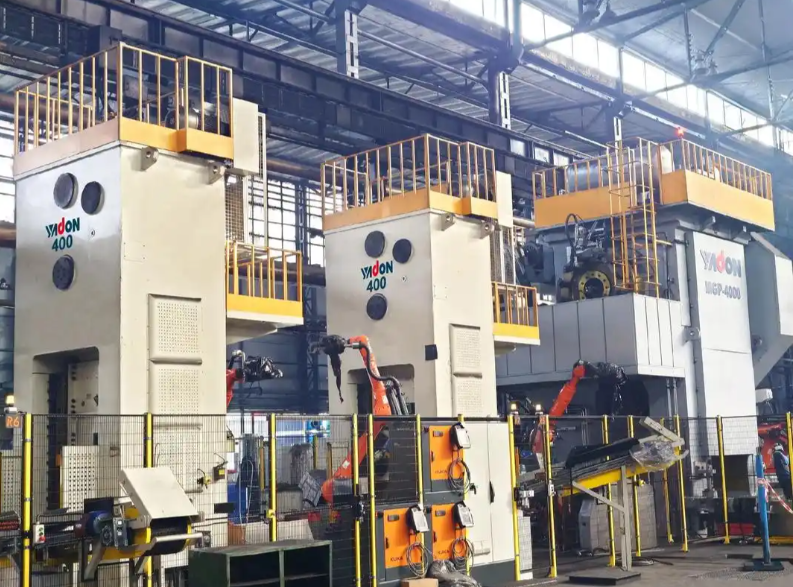
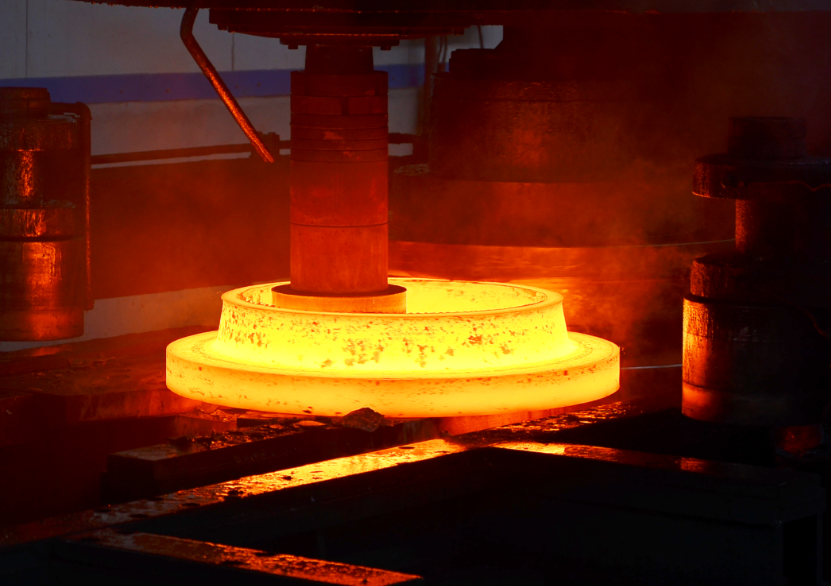
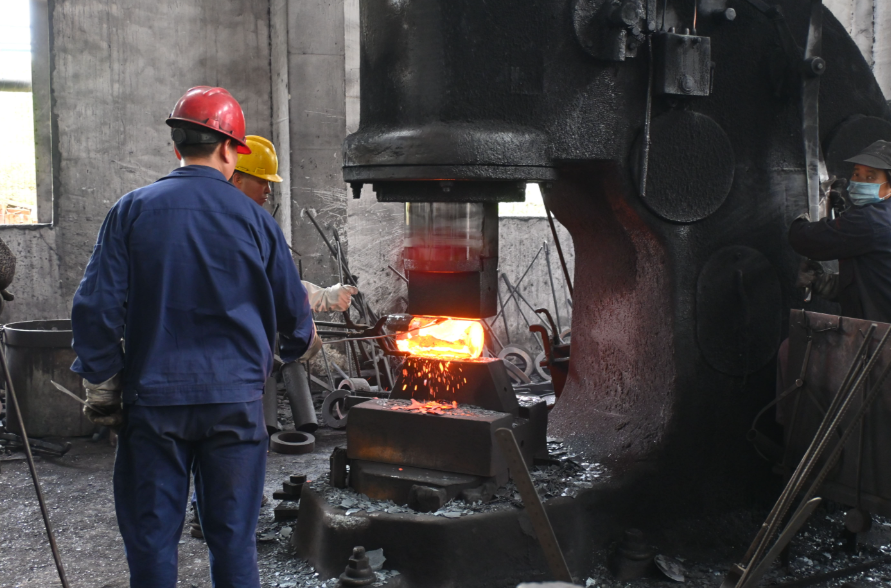
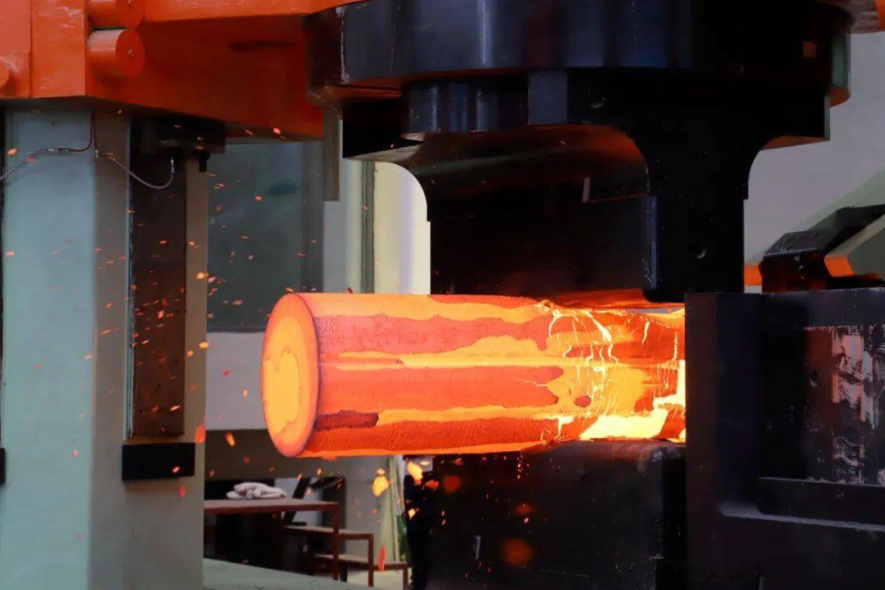
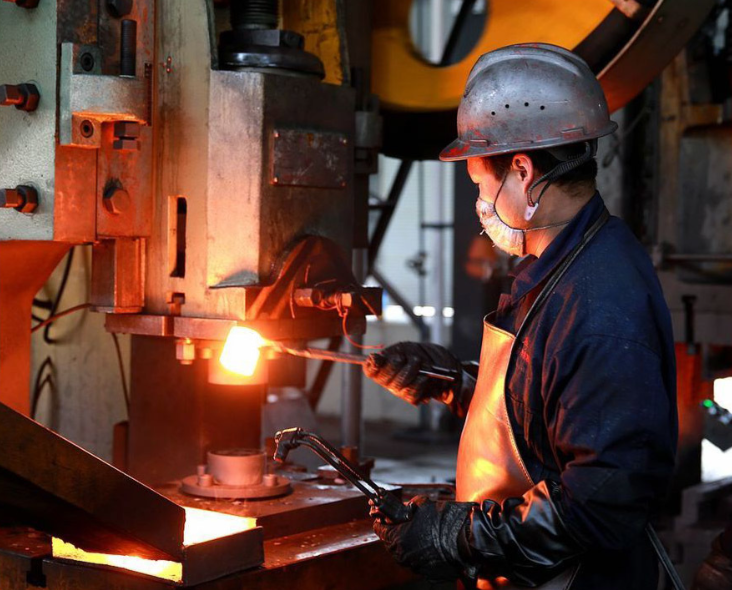
| Forging Process | Die forging (with gear section) / Open-die + die forging / Cross wedge rolling + precision sizing |
| Subsequent Operations (optional) | Normalizing / Quenching & tempering / Carburizing & hardening / Nitriding / Induction hardening + finish turning / gear grinding / spline grinding |
| Typical Applications | Automotive transmissions, heavy truck transmissions, construction machinery transmissions, agricultural gearboxes, industrial reducers, wind turbine yaw/pitch drive shafts, marine gearboxes, compressor drive shafts |
| Applicable Standards | GB/T 3077, ASTM A29, DIN 17200, JIS G4051, ISO 6336, or customer drawings |
| Key Advantages | 1. Integral forging – gear and shaft in one piece, no weld or assembly weak points 2. Continuous grain flow – no flow line interruption at tooth root and shaft shoulder, excellent torsional and fatigue resistance 3. Dense internal structure – meets ultrasonic testing requirements (GB/T 6402 or EN 10228) 4. Near-net shape – reduces machining time and material waste 5. Gear tooth allowance can be reserved – high precision for subsequent hobbing/grinding 6. Customizable for various non-standard dimensions, tooth profiles, splines and shaft sections |