| Item | Description |
|---|
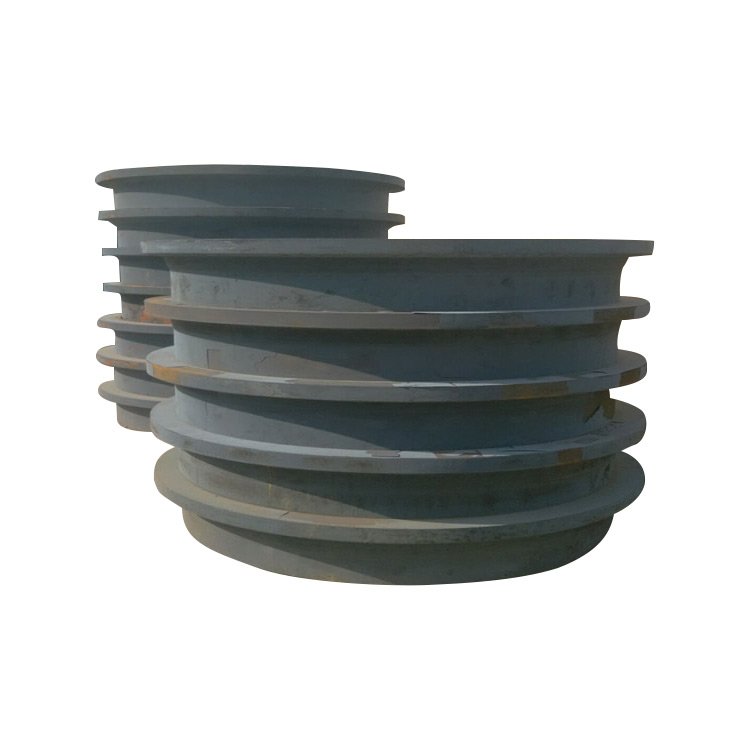
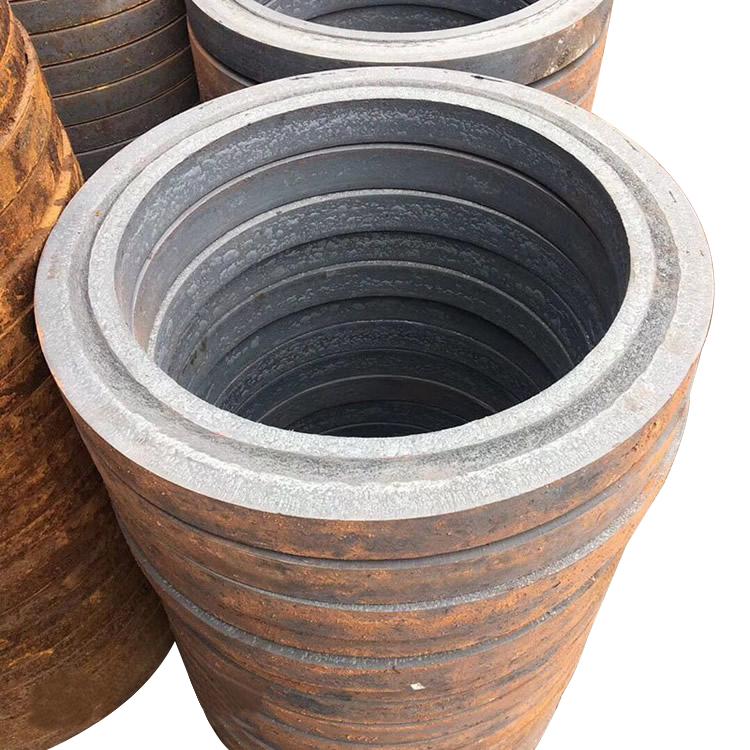
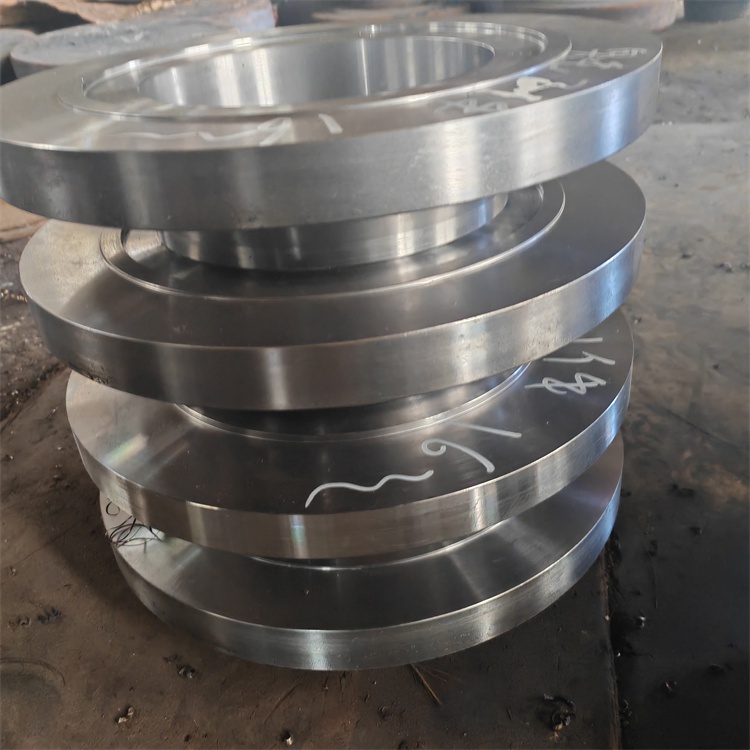
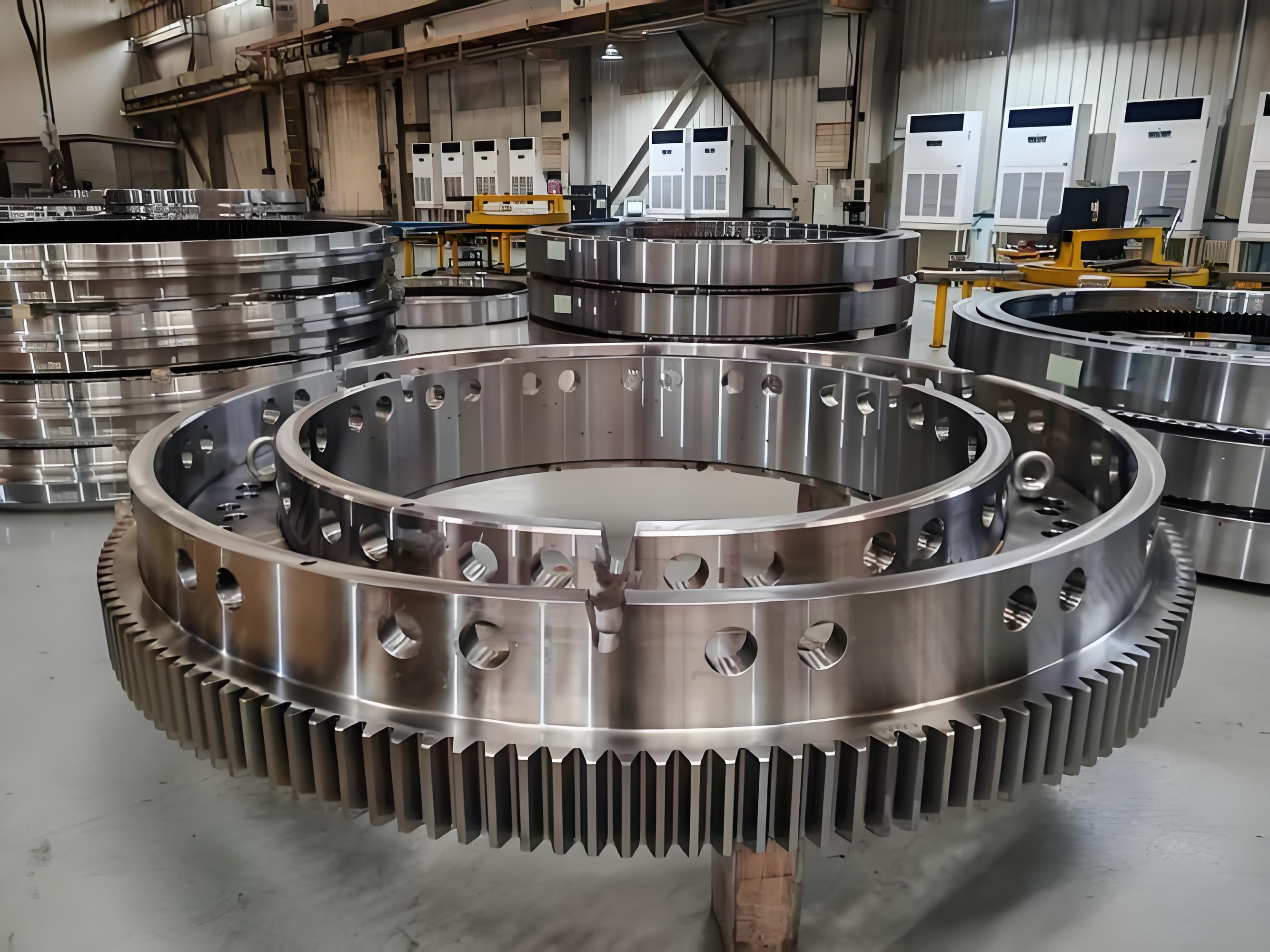
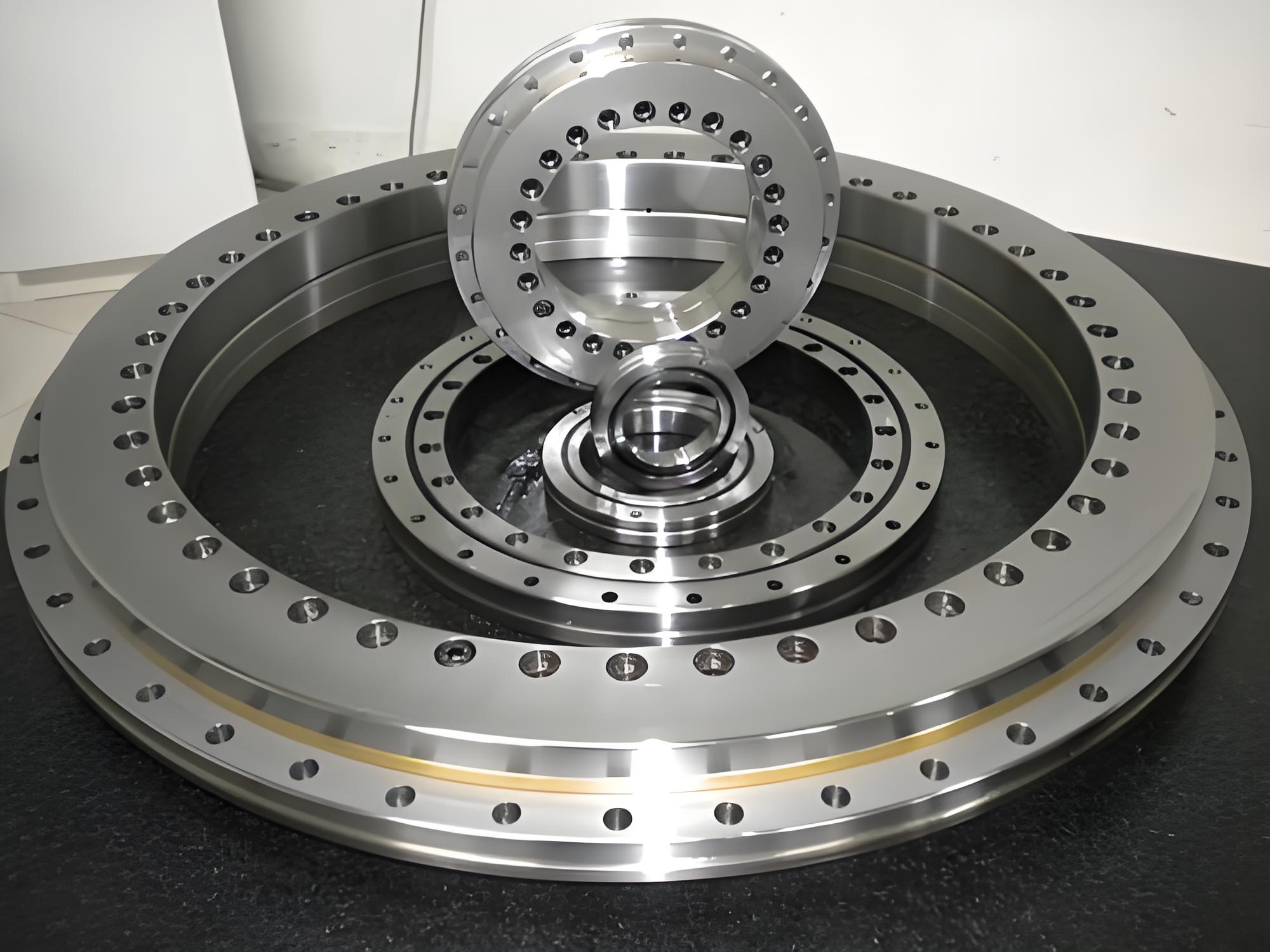
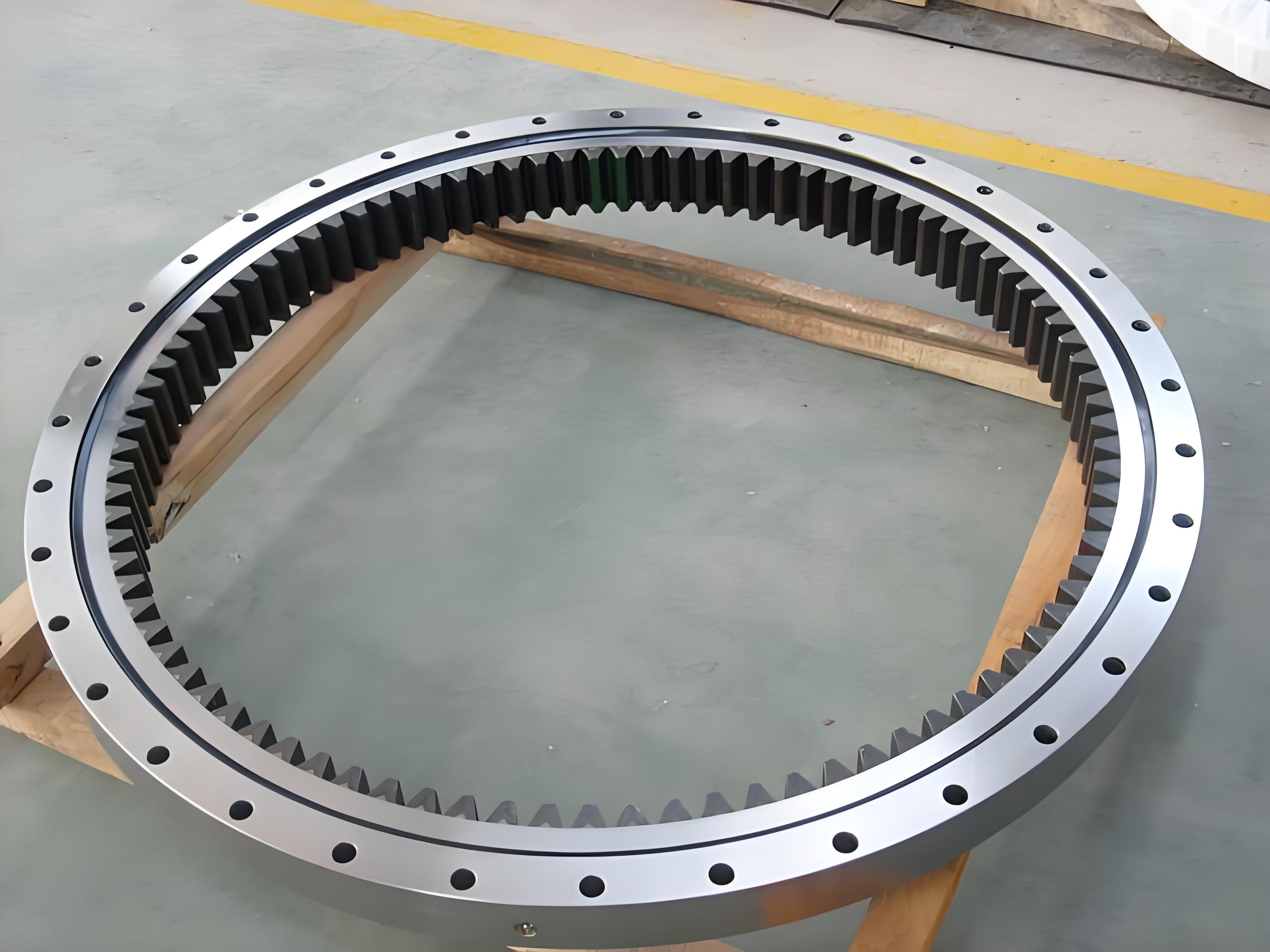
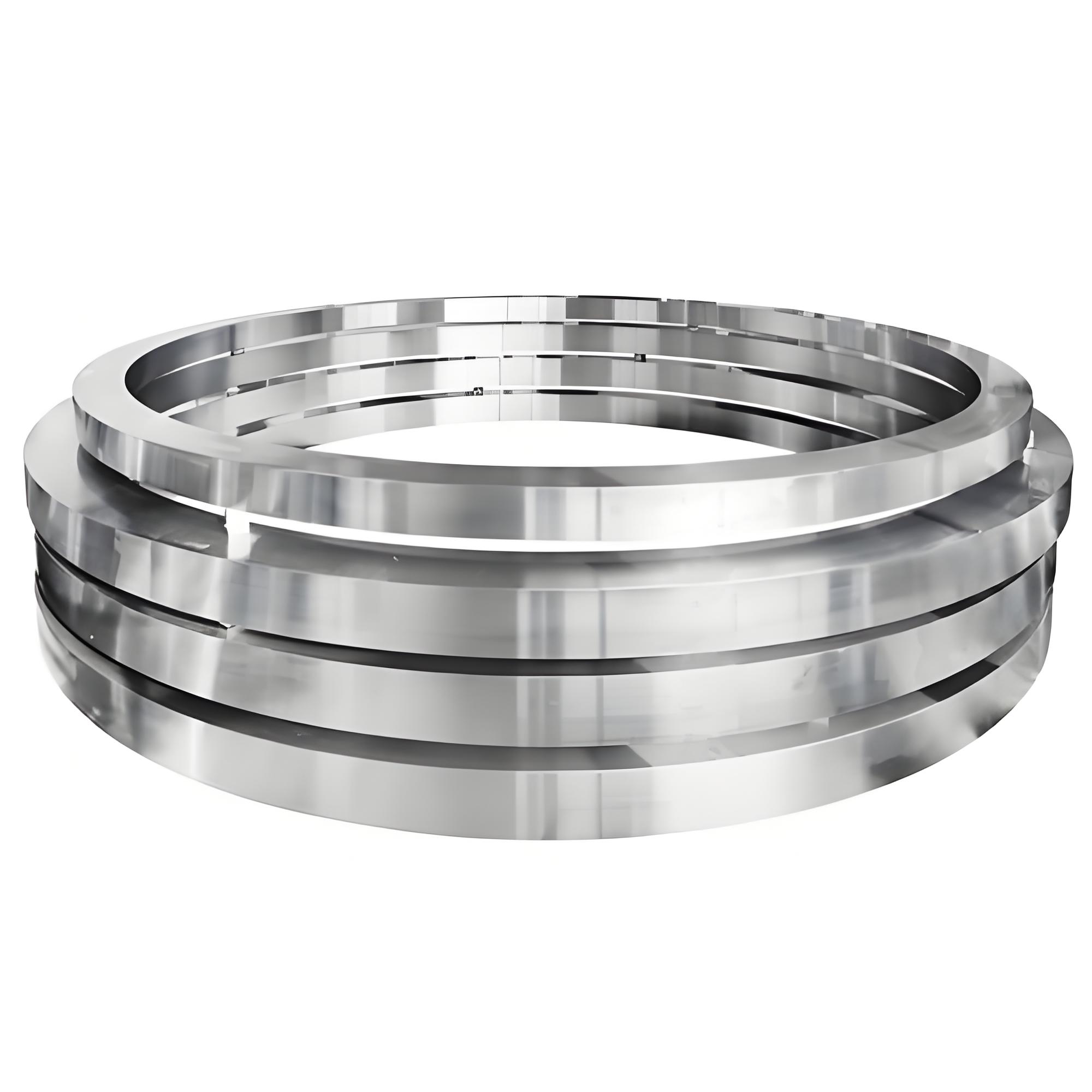
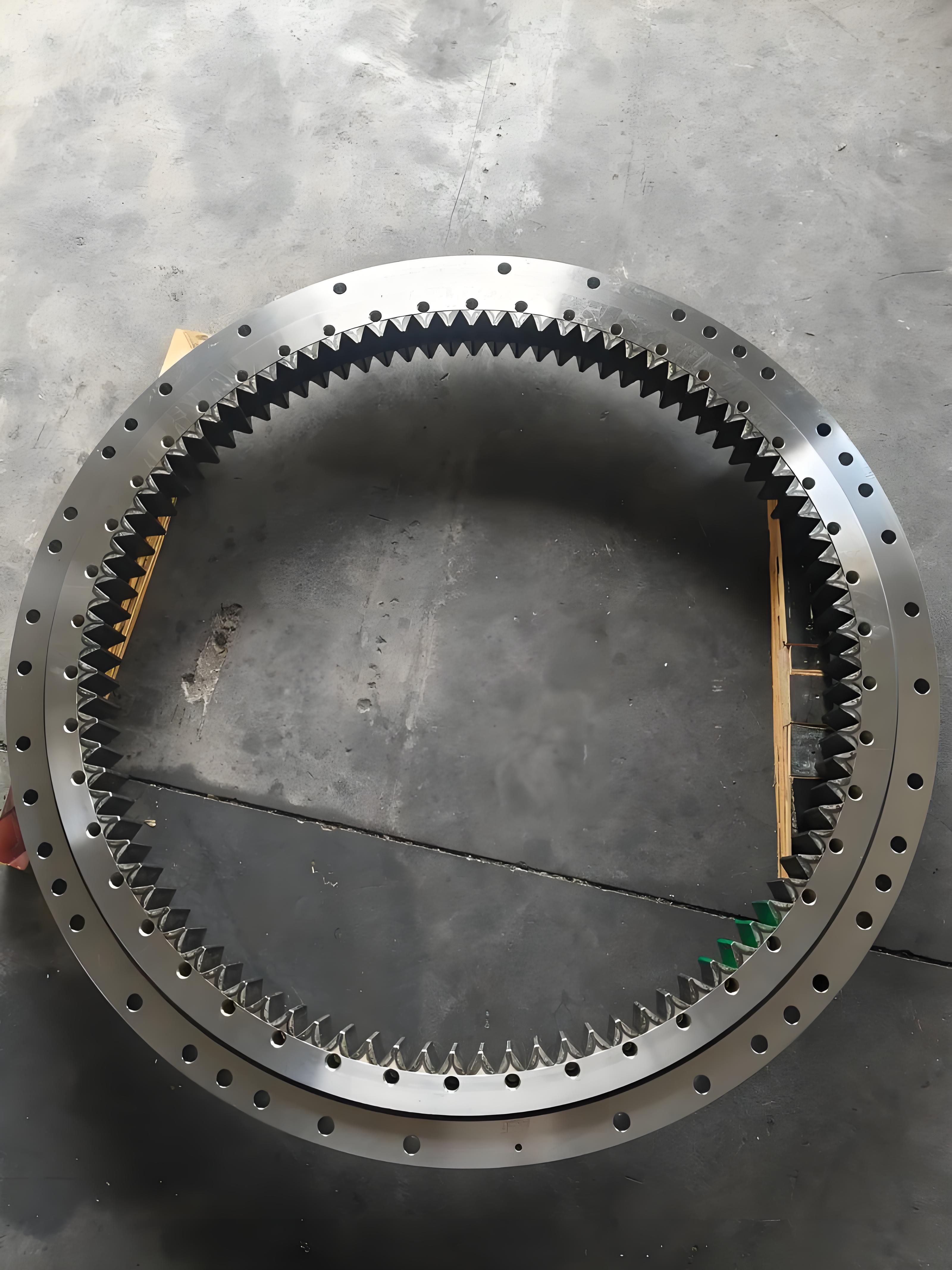
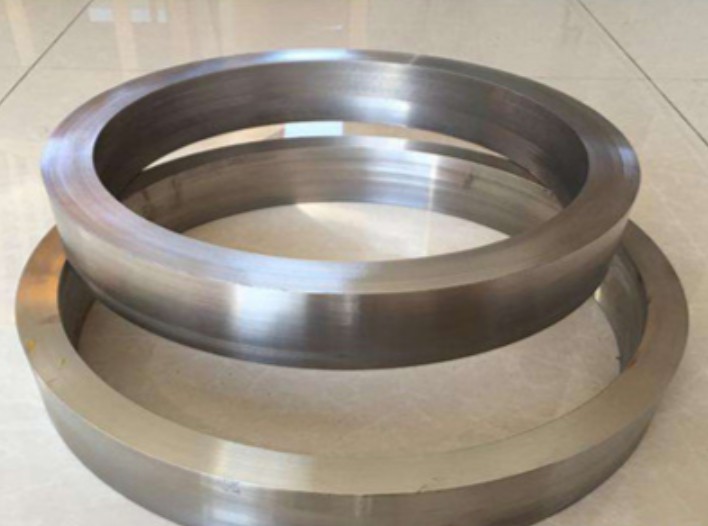
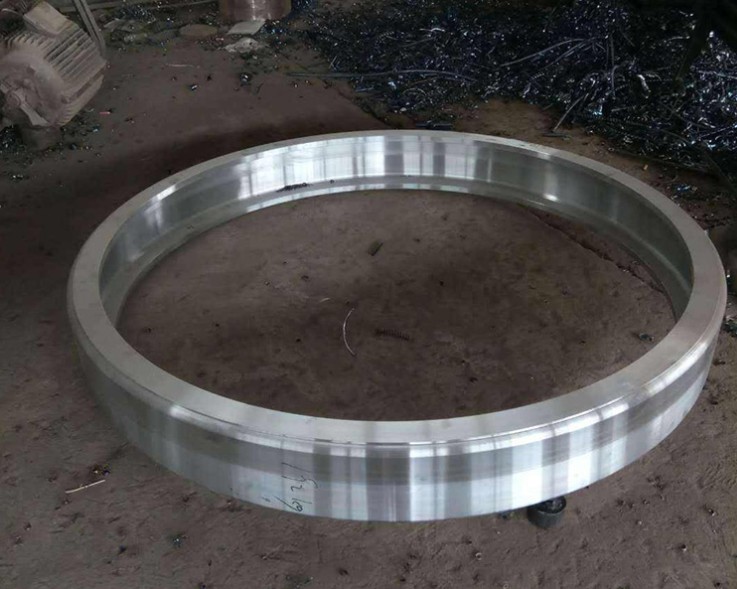
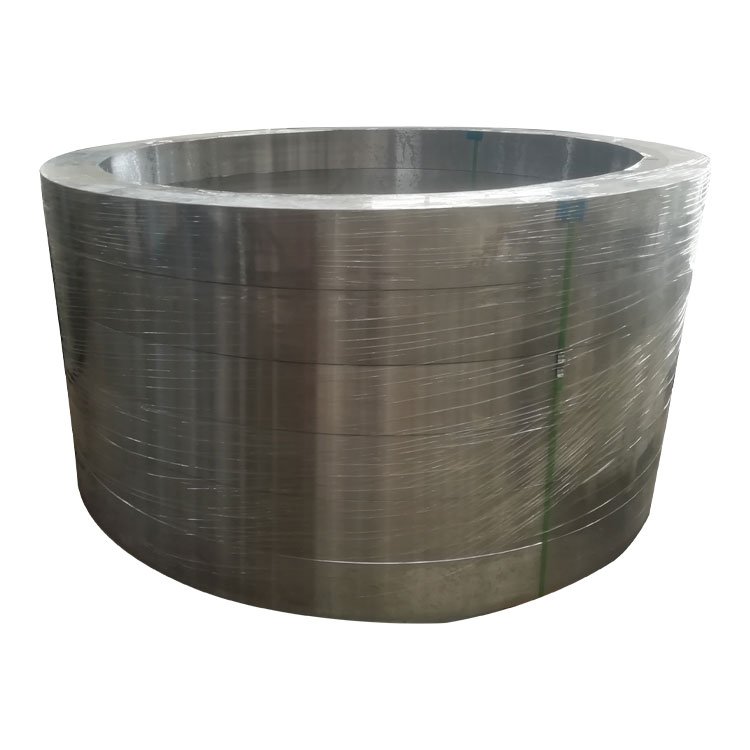
| Product Name | Slewing bearing rings, slewing bearing inner/outer rings, slewing ring gears, slewing ring forgings, turntable bearing rings |
| Overview | Slewing bearing rings are the core components of slewing bearings (turntable bearings), typically consisting of inner and outer rings. They support axial loads, radial loads and overturning moments. Manufactured by precision ring rolling or die forging, these rings feature a dense structure and continuous grain flow. After induction hardening of the raceway, they provide excellent contact fatigue strength and wear resistance. Widely used in cranes, excavators, wind turbines, solar tracking systems, robotic turntables and port machinery. |
| Common Materials | Carbon steel: 45#, 50Mn Alloy steel: 40Cr, 42CrMo, 50Mn, S48C, S55C Stainless steel: 440C, 420 (for corrosion resistance)Others: GCr15 (for small precision slewing bearings) |
| Weight Range (per piece) | 10 kg – 3000 kg |
| Outer Diameter Range | 200 mm – 4000 mm |
| Inner Diameter Range | 100 mm – 3500 mm |
| Section Height | 30 mm – 250 mm |
| Raceway Pitch Diameter | 150 mm – 3700 mm |
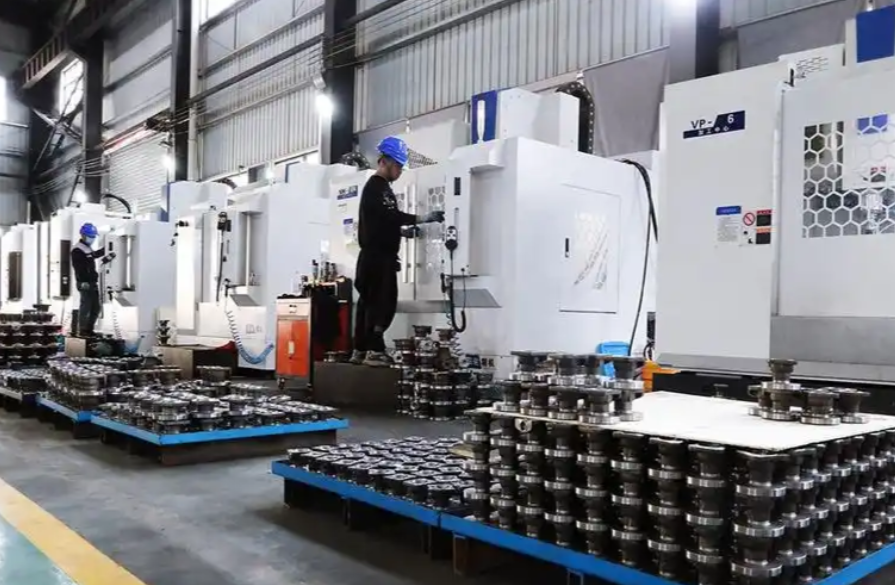
| Main Product Forms | Inner ring forgings, outer ring forgings, gear-tooth inner/outer rings, non-geared rings, high-precision raceway rings |
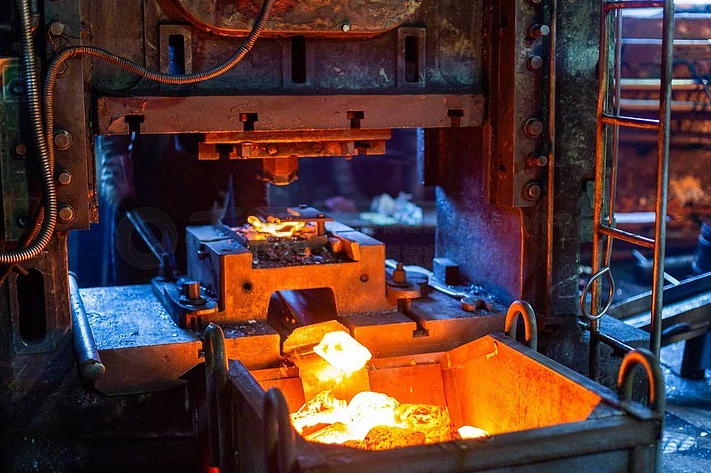
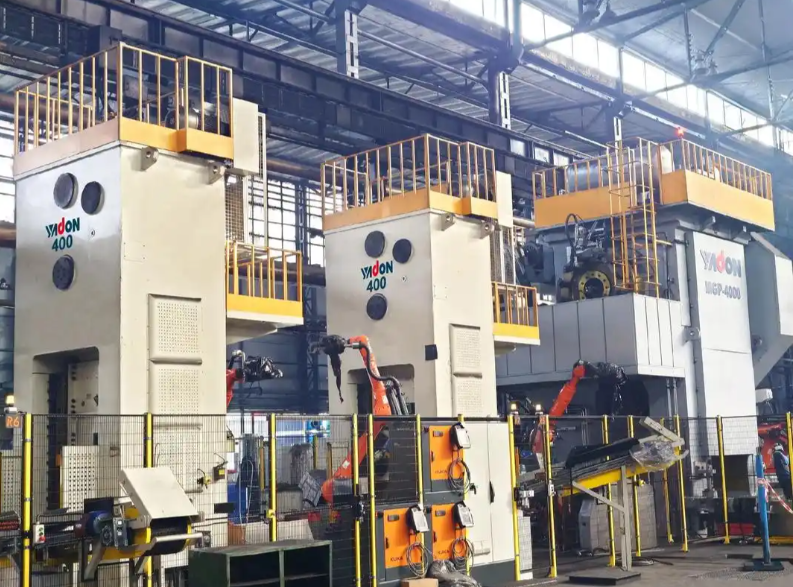
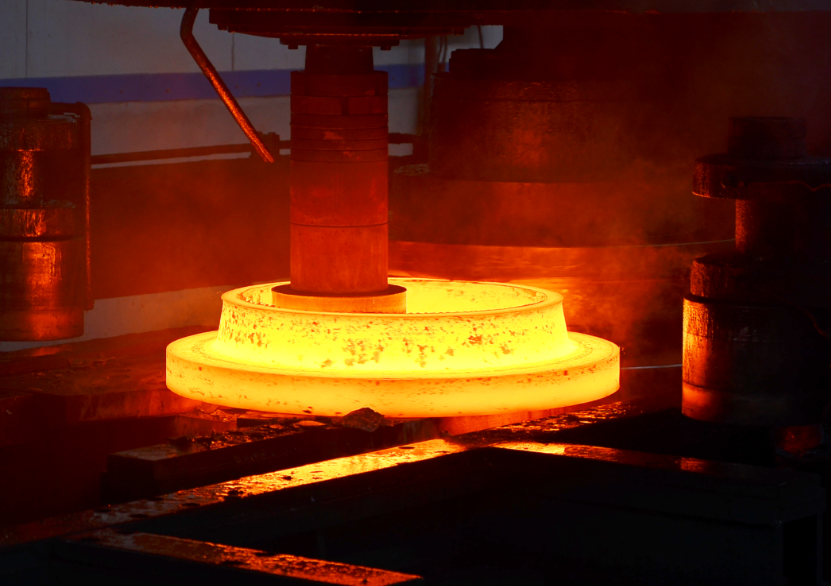
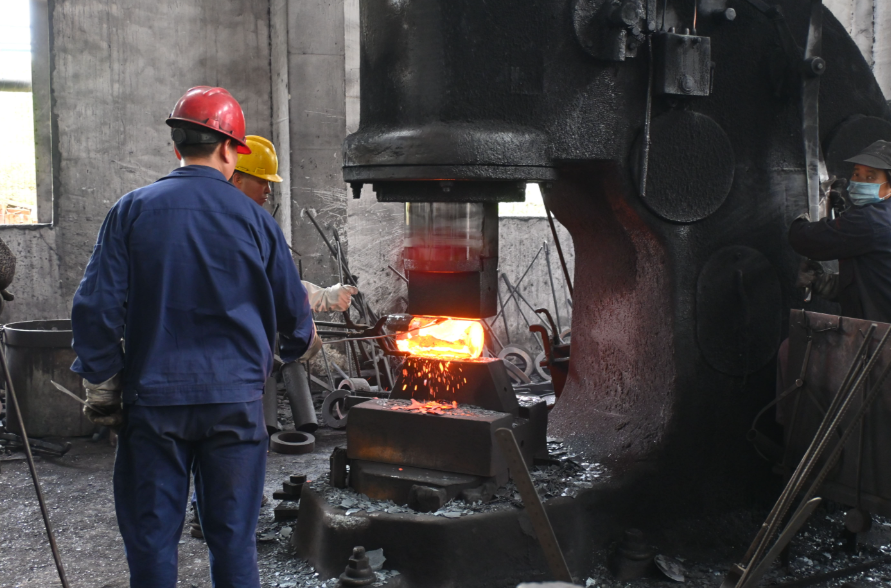
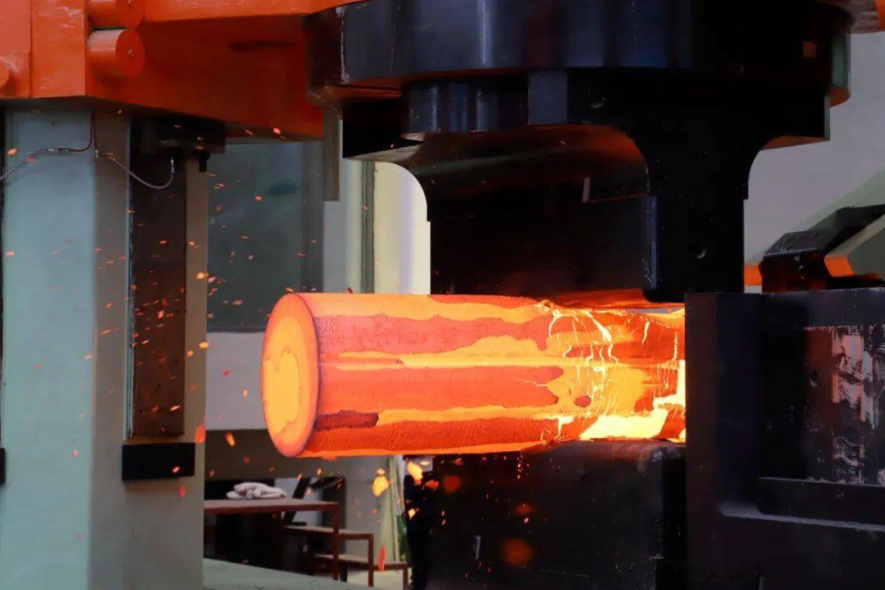
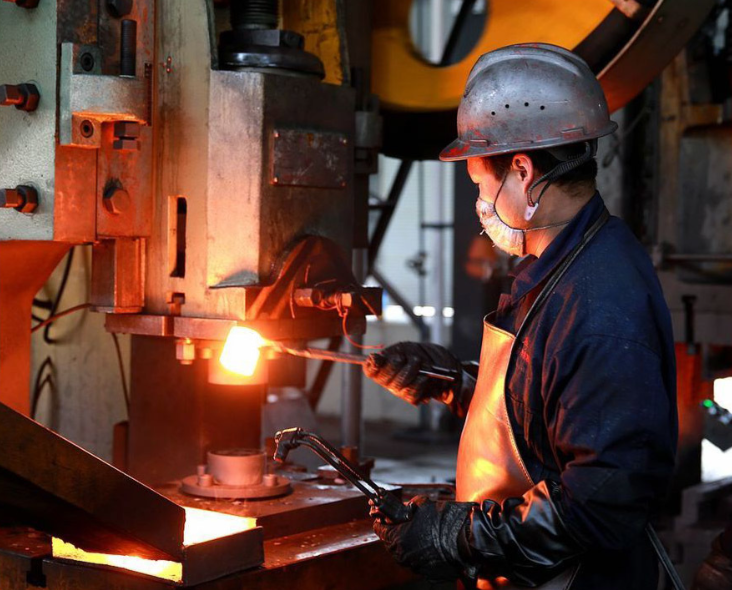
| Forging Process | Radial-axial ring rolling / Open-die + mandrel expanding / Closed-die forging (for small sizes) |
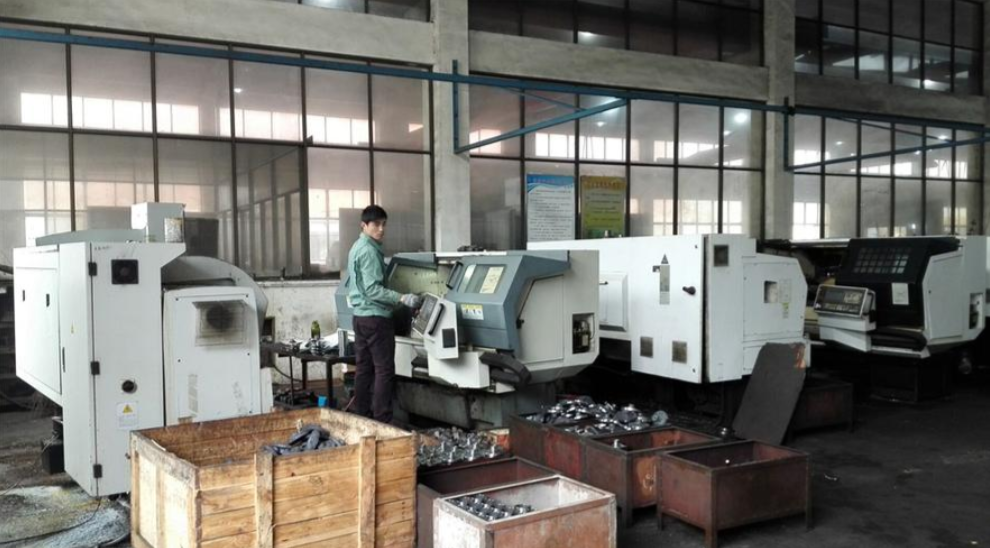
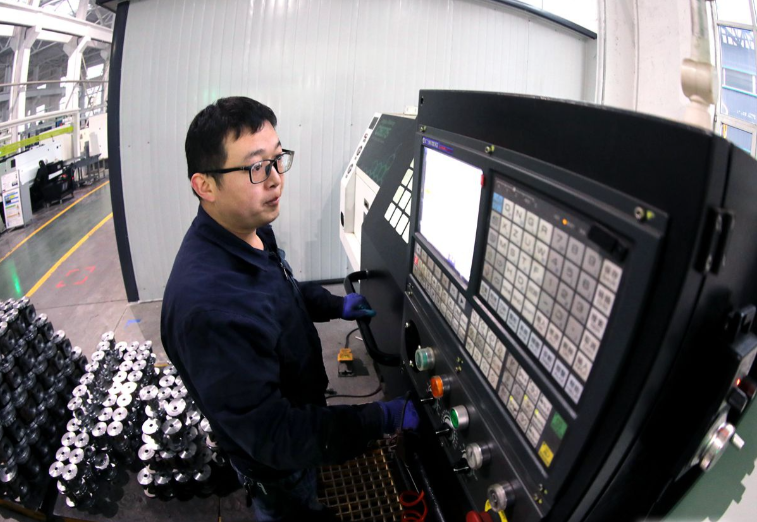
| Subsequent Operations (optional) | Normalizing / Annealing / Quenching & tempering / Raceway induction hardening / Raceway grinding / Gear cutting (hobbing/shaping/hardening) / Drilling / Boring |
| Typical Applications | Excavators, truck cranes, tower cranes, crawler cranes, wind turbine yaw & pitch systems, solar thermal tracking devices, robotic turntables, port cranes, tunnel boring machines, medical CT rotating beds |
| Applicable Standards | GB/T 3077, JB/T 2300 (slewing bearing standard), ISO 281 (bearing life), DIN 17200, ASTM A29, or customer drawings |
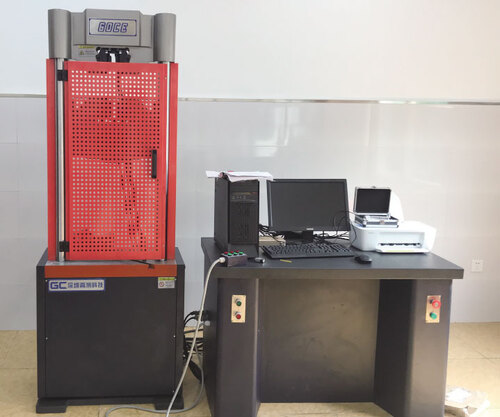
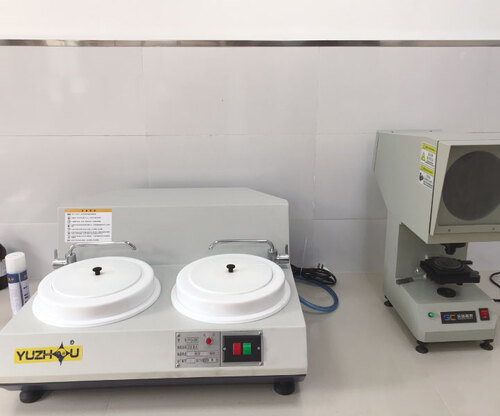
| Key Advantages | 1. Continuous circumferential grain flow from ring rolling – no grain flow interruption at raceways, significantly improved contact fatigue life 2. Dense internal structure – meets ultrasonic testing requirements (GB/T 6402 Level 2 or EN 10228-3) 3. Uniform hardness after Q&T – raceway induction hardening up to 55–62 HRC with controllable case depth 4. High dimensional accuracy – matched inner/outer rings with low raceway runout 5. Gear allowance can be reserved – gear hobbing/shaping and final delivery available 6. Traceable material – mechanical test reports and metallographic reports provided 7. Optimized material and heat treatment for heavy-duty applications (wind power, construction machinery) |